
The Top 5 Children’S Books That Address Bullying And Its Effects On Mental Health
The Psychological Impact of Peer Aggression: Leveraging Bibliotherapy for Mental Health
Repeated exposure to peer victimization often precipitates a profound state of interpersonal distrust, which can fundamentally derail a child’s emotional trajectory. This psychological erosion makes the victim perceive the social world as inherently hostile, hindering their ability to form secure attachments in later developmental stages. Such disruptions are particularly acute in middle school, where statistics indicate a higher prevalence of these maladaptive social dynamics.
Cultivating a healthy school ecosystem requires a proactive shift from reactive discipline to the creation of safe, inclusive environments. When educators and parents prioritize the establishment of psychological safety, they effectively mitigate the risk of long-term mental health sequelae. This systemic approach ensures that the classroom becomes a sanctuary for learning rather than a source of chronic stress.
Bibliotherapy serves as a sophisticated tool in this process, utilizing narrative empathy to build resilience and self-advocacy in vulnerable students. By engaging with curated stories, children can externalize their internal struggles and develop a vocabulary for their emotional experiences. This process allows for the safe exploration of conflict resolution and the internalizing of positive social norms.
[GALERIA_VIDEOS]
Clinical Perspectives on Vulnerability and Support
From the lens of neurodiversity, it is critical to recognize that children with Autism Spectrum Disorder (ASD) may be disproportionately targeted due to differences in social communication. Depending on the DSM-5 Levels of Support (Level 1, 2, or 3), these students may require varying degrees of assistance to navigate the nuances of peer interaction. Understanding these clinical distinctions allows for more tailored interventions that address the specific needs of the child.
Behavioral science suggests that the intersection of social exclusion and cognitive processing differences can exacerbate the effects of bullying. When a child struggles to decode social cues, they may inadvertently become targets or fail to report aggression. Implementing evidence-based supports helps bridge this gap, transforming the educational experience from one of isolation to one of integration.
Top 5 Recommended Books and Clinical Strategies
1. Wonder by R.J. Palacio
This narrative focuses on August Pullman, a boy with facial differences, emphasizing the necessity of acceptance and kindness. It highlights the psychological toll of being “different” and the transformative power of an inclusive peer group. The story encourages readers to shift their perspective from judgment to empathy.
Clinical Strategy: Perspective-Taking Exercises. Educators should implement “Role-Reversal” scenarios where students describe a situation from the viewpoint of the marginalized character. This cognitive shift helps develop the Theory of Mind, allowing students to internalize the emotional state of others.
2. The Juice Box Bully by Bob Sornson & Maria Dismondy
This book addresses the critical role of the bystander, empowering children to move from passive observation to active support. It teaches that the power of a bully is diminished when the peer group refuses to validate the aggressive behavior. The story provides a framework for identifying and reacting to bullying before it escalates.
Clinical Strategy: peer-mediated intervention. Implement a “Buddy System” where trained peer mentors are taught to identify signs of isolation and actively invite excluded students into social activities. This reduces the reliance on adult intervention and fosters organic social bonds.
3. The Invisible Boy by Trudy Ludwig
Focusing on the subtle nature of social exclusion, this story depicts a boy who feels unseen and unacknowledged by his classmates. It illustrates how small, intentional acts of inclusion can fundamentally alter a child’s sense of belonging. The visual transition from grayscale to color mirrors the psychological shift from isolation to connection.
Clinical Strategy: Social Scripts. For children who struggle with initiation, provide concrete “Conversation Starters” or scripts (e.g., “I noticed you like [hobby], would you like to sit with us?”). These scripts reduce the cognitive load of social interaction and increase the probability of successful inclusion.
4. Each Kindness by Jacqueline Woodson
This poignant story explores the theme of regret and the lasting impact of missed opportunities for kindness. It serves as a cautionary tale about the permanence of emotional wounds caused by indifference. The narrative emphasizes that kindness is not just the absence of bullying, but the presence of active support.
Clinical Strategy: socio-emotional coaching. Use the book to facilitate “Reflective Dialogue” sessions. Ask students to identify a time they felt “invisible” and brainstorm specific, actionable ways they can provide “micro-kindnesses” to others in their current environment.
5. Ella on the Outside by Terry Truitt
This book delves into the complexities of friendship and the insecurities stemming from personal hardships and physical differences. It portrays the struggle of wanting to be accepted by popular peers while maintaining one’s authentic identity. The story highlights the intersection of family trauma and school-based social stress.
Clinical Strategy: Functional Assessment. When a child exhibits avoidant behavior or social anxiety, conduct a Functional Assessment to determine if the behavior is a response to a specific social trigger. Once the trigger is identified, use the book’s themes to create a personalized coping plan for the student.
FAQ
How can I tell if my child is experiencing bullying or just typical peer conflict?
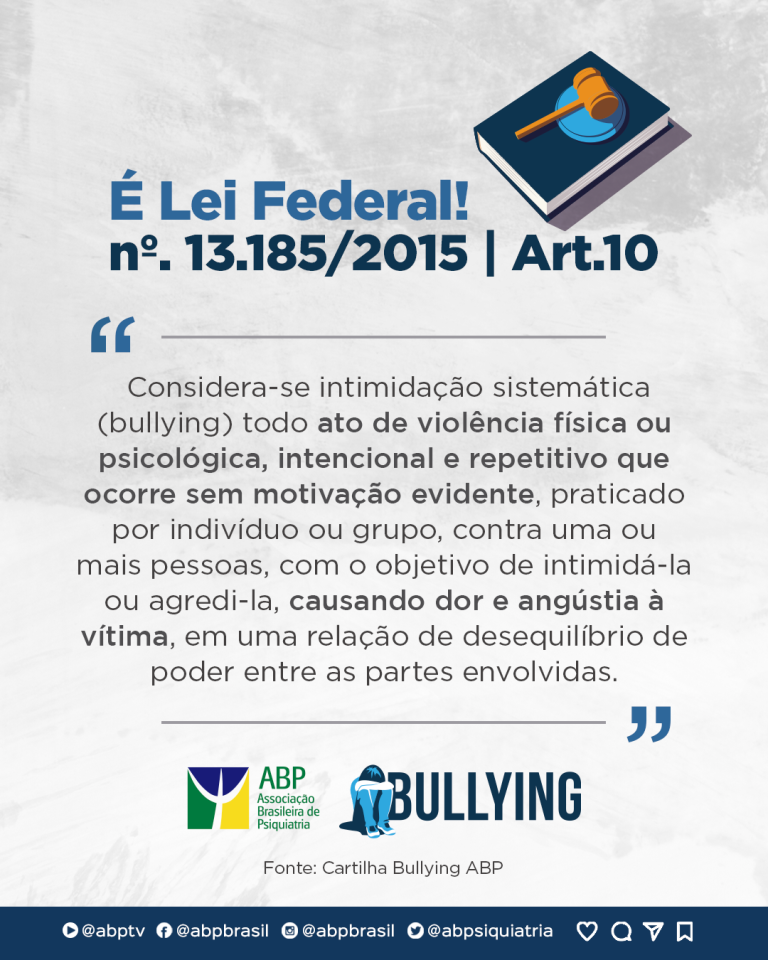
Typical conflict is usually occasional, balanced in power, and resolved through negotiation. Bullying is characterized by a power imbalance, repetition over time, and an intent to harm, often resulting in the victim withdrawing from social activities or showing signs of interpersonal distrust.
Are these books appropriate for children with ASD?
Yes, provided they are used as part of a guided discussion. For children with ASD, the abstract concepts of empathy and social cues may need to be broken down into concrete examples using the characters in the books as case studies.
What is the most effective way to introduce these books in a classroom?
The most effective method is to integrate them into a broader mental health curriculum rather than as a reaction to a specific incident. This normalizes the conversation around mental health and prevents the “targeting” of specific students during the discussion.