Bullying Prevention Through Storytelling: The Power Of Kids’ Literature Explained
Bullying Prevention through Storytelling: The Power of Kids’ Literature Explained
Peer aggression in educational settings often stems from a deficit in perspective-taking and emotional regulation. By utilizing children’s literature, educators can create a psychological proxy that allows students to analyze conflict from a safe distance. This method transforms abstract social concepts into tangible narratives, facilitating a deeper understanding of interpersonal dynamics.
Literature serves as a catalyst for developing empathy by exposing readers to diverse lived experiences. When students engage with characters facing social exclusion, they activate the mirror neuron system, which is essential for recognizing the emotional states of others. This cognitive shift is fundamental in reducing the likelihood of aggressive behaviors within the classroom.
Integrating these narratives into the core language arts curriculum ensures that social-emotional learning is not a peripheral activity. When prevention strategies are embedded into daily reading and writing, students are more likely to generalize these skills to real-world interactions. This systemic approach moves beyond isolated workshops toward a sustainable culture of kindness.
[GALERIA_VIDEOS]
The Behavioral Science of Narrative-Based Intervention
From an Applied Behavior Analysis perspective, storytelling functions as a form of modeling. By observing a character’s struggle and subsequent resolution, students learn the contingency between specific social behaviors and their outcomes. This process allows for a Functional Assessment of social triggers without placing the child in a high-stress environment.
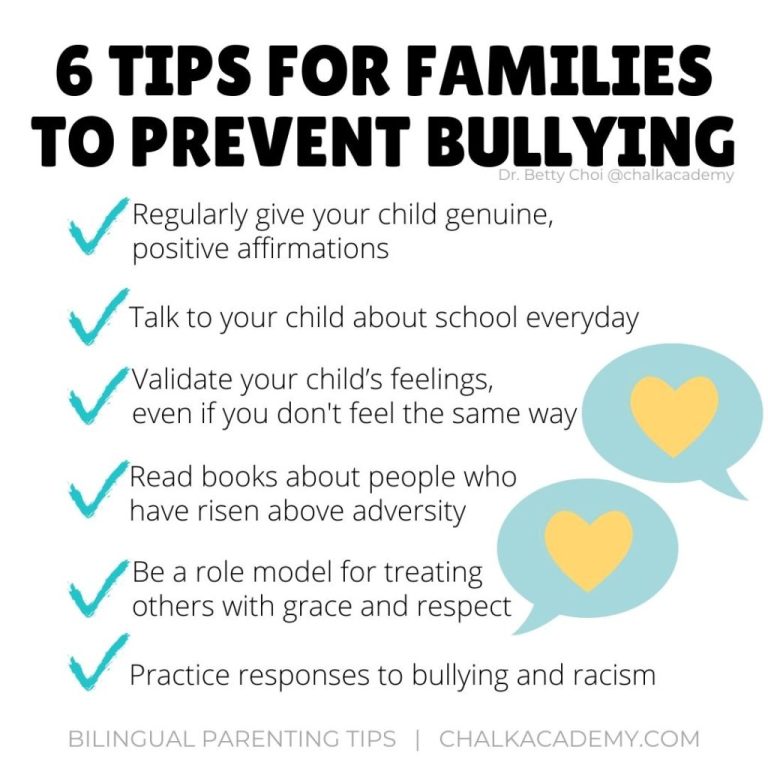
Addressing the root causes of conflict requires targeting social, emotional, and environmental factors. Stories like “Wonder” or “The Invisible Boy” highlight the impact of invisibility and prejudice, prompting students to reflect on their own social contributions. This reflection encourages the internalization of pro-social values rather than mere compliance with school rules.
To maximize the efficacy of these stories, educators should implement Social Scripts. These are pre-determined, rehearsed dialogues that students can use when they encounter conflict in real time. By writing and acting out these scripts based on book characters, children build the muscle memory needed to respond assertively rather than aggressively.
Implementing the WITS Framework in the School Ecosystem
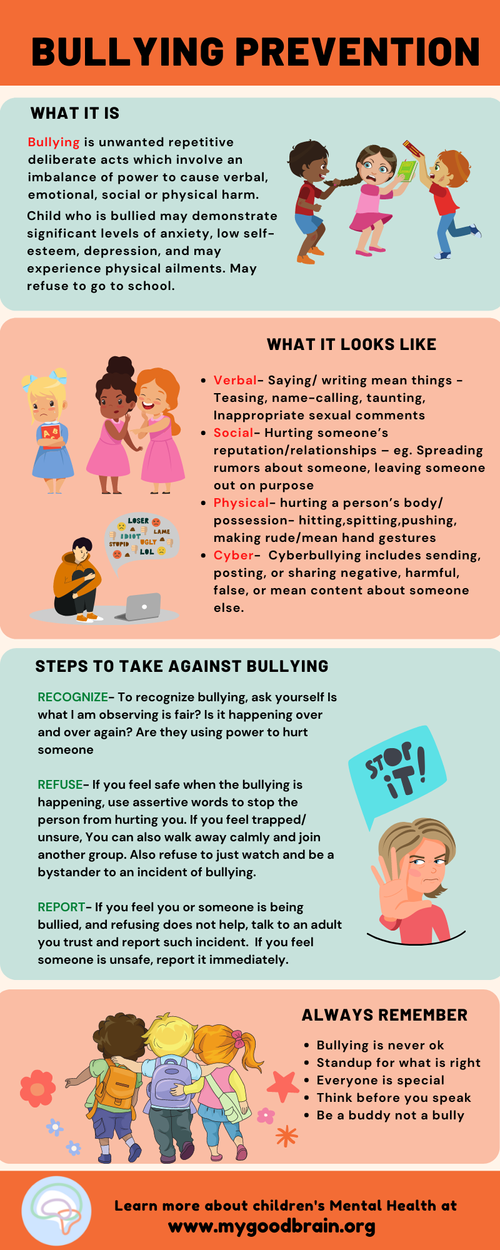
A concrete strategy for navigating peer conflict is the WITS framework: Walk Away, Ignore, Talk it Out, and Seek Help. This toolkit provides students with a hierarchical decision-making process to handle negative interactions. When integrated into storytelling, students can analyze which WITS strategy a character should have used in a specific scene.
The transition from reading to action occurs through guided discussion and creative reimagining. Students might create comic strips that rewrite a bullying scenario, applying WITS strategies to change the outcome. This active participation fosters a sense of agency and collective responsibility for the safety of the school ecosystem.
Furthermore, socio-emotional coaching should accompany these activities to ensure the nuances of each strategy are understood. For instance, “Talking it Out” requires a level of emotional regulation that some students may need explicit help to develop. Coaching ensures that the transition from the page to the playground is seamless and supported.
Supporting Neurodiversity and ASD Levels of Support
For students with Autism Spectrum Disorder (ASD), social nuances in literature may not be intuitively understood. Depending on their Levels of Support, these students may require more explicit instruction to decode the emotional subtext of a story. Visual aids and direct instruction are essential to bridge the gap between the narrative and the social application.
A peer-mediated intervention can be highly effective here, where neurotypical peers help their classmates with ASD navigate the social scripts derived from the stories. This not only supports the student with ASD but also reinforces the empathy and leadership skills of the peer mentor. It transforms the classroom into a laboratory for inclusive social interaction.
By focusing on neurodiversity, educators recognize that different students process social information in various ways. Tailoring storytelling interventions to meet these diverse needs ensures that no child is left invisible. The goal is to create an environment where every student, regardless of their cognitive profile, feels safe and valued.
FAQ
How does storytelling differ from traditional bullying workshops?
Traditional workshops are often isolated events that students perceive as separate from their academic life. Storytelling integrates prevention into the daily curriculum, making the skills more sustainable and easier to apply in real-world contexts.
What is the WITS strategy and how is it applied?
WITS stands for Walk Away, Ignore, Talk it Out, and Seek Help. It is a practical toolkit that gives students a clear set of options to resolve conflict, which can be practiced through role-playing and analyzing literary characters.
Can literature really help students with ASD improve social skills?
Yes, provided it is paired with explicit instruction and social scripts. For students with ASD, stories provide a predictable framework to analyze social cues and practice responses in a low-pressure environment.