Bullying Prevention Starts Here: Anti-Bully Education For Kids Made Easy
Bullying Prevention Starts Here: Anti-Bully Education for Kids Made Easy
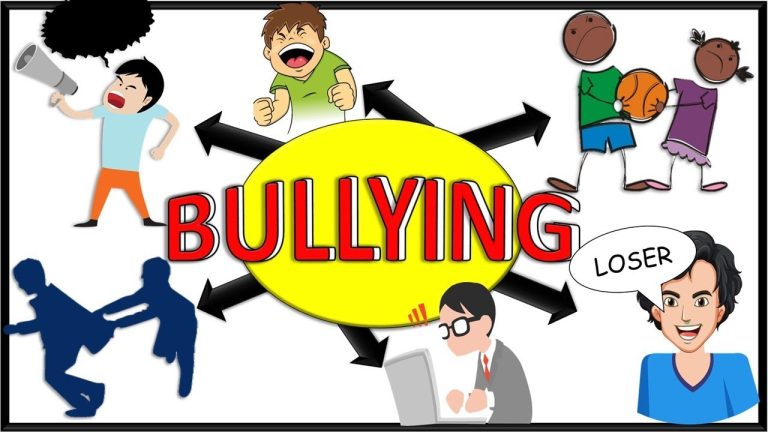
Bullying is defined as repeated, unwanted words or actions that cause harm and are difficult for the target to stop. This behavioral pattern differs fundamentally from a simple disagreement, where opposing views are shared without the intent to degrade or overpower the other person. Understanding this distinction is the first step in establishing a safe environment for all students.
The psychological impact extends beyond immediate distress, affecting the long-term mental health of both the victim and the perpetrator. Behavioral science suggests that these interactions are often reinforced by social dynamics or internal emotional dysregulation. Identifying these patterns early allows for targeted intervention and the prevention of chronic trauma.
Cyberbullying introduces a digital dimension, utilizing technology like social media, email, or gaming to perpetuate aggression. This form of harassment often bypasses traditional school boundaries, making it a pervasive threat to a child’s stability. It requires a specialized approach to monitoring and support that extends into the home.
[GALERIA_VIDEOS]
The Behavioral Mechanics of Aggression
To effectively stop harmful behavior, educators must employ a Functional Behavioral Assessment to determine why a child is bullying. This process involves analyzing the antecedents and consequences of the behavior to see if the child is seeking social status, attention, or escaping a stressful situation. Once the function is identified, the intervention can be tailored to replace the aggression with a pro-social skill.
Within the school environment, roles are fluid; a student may be a target in one context and a bystander in another. The bystander’s role is critical, as their reaction can either reinforce the bully’s behavior or provide the necessary support to the victim. Shifting the bystander into an “upstander” role changes the social reward system of the group.
Addressing Neurodiversity and Vulnerability
Children with ASD (Autism Spectrum Disorder), depending on their neurodiversity and specific Levels of Support, may be more susceptible to bullying due to challenges in reading social cues. These students often struggle with the nuances of peer interaction, which can make them targets for those seeking to exploit social gaps. It is imperative that support systems are tailored to their specific cognitive profiles.
To support these students, practitioners should implement Social Scripts, which provide a predetermined set of responses for common social conflicts. By practicing these scripts in a controlled environment, children can learn to respond assertively rather than reactively. This reduces the “reward” the bully receives from a distressed reaction.
Strategic Interventions for the School Ecosystem
Creating a safe school ecosystem requires more than just a written policy; it requires a cultural shift toward empathy and accountability. This involves integrating anti-bullying frameworks into the daily curriculum, ensuring that every student understands the legal and ethical implications of discrimination. In the UK, for example, the Equality Act 2010 provides a legal foundation for eliminating discrimination in educational settings.
A highly effective method for fostering inclusion is peer-mediated intervention, where trained students act as social bridges for their peers. By pairing a socially competent student with a peer who struggles with social integration, the school creates a natural support network. This reduces the isolation that often precedes bullying incidents.
Socio-Emotional Coaching for Parents and Teachers
Adults should engage in socio-emotional coaching to help children navigate complex feelings of anger, jealousy, or fear. Instead of simply punishing the bully, the goal is to teach emotional regulation and empathy. This involves helping the child recognize the emotional state of the other person and understanding the impact of their actions.
For the child being bullied, the focus should be on empowerment and safety planning. Adults should guide the child in developing a concrete plan, which may include “talking firmly,” “walking away,” or “reporting to a trusted adult.” It is essential to validate the child’s experience and reassure them that the bullying is not their fault.
Practical Action Steps for Immediate Implementation
Visual reminders in classrooms and corridors can serve as immediate prompts for children when they encounter unkind behavior. Simple, child-friendly guides that suggest actions—such as staying calm, using respectful words, and finding a safe place—provide a cognitive anchor during high-stress moments. These tools transform abstract concepts of “kindness” into concrete behaviors.
Distinguishing between “telling” and “tattling” is another vital educational milestone. Children must be taught that telling is an act of protection intended to keep themselves or others safe, whereas tattling is intended to get someone in trouble. This clarity encourages victims and bystanders to report incidents without fear of social stigma.
FAQ
What is the difference between a disagreement and bullying?
A disagreement is a conflict where both parties express opposing views respectfully. Bullying is characterized by an imbalance of power, repeated unwanted actions, and a situation where the target finds it difficult to stop the behavior.
How can I tell if my child is the one bullying others?
Look for distinctive behavioral characteristics such as a sudden change in friend groups, an obsession with power or control, or reports from teachers about aggressive interactions. It is important to address these signs through a functional lens to understand the underlying cause.
What should a child do if they see someone else being bullied?
They should “Speak Up” by informing a trusted adult, “Reach Out” to the victim to let them know they are not alone, and “Be a Friend” to signal to others that bullying is not acceptable in their community.