10 Engaging Activities To Teach Bully-Free Education In Schools Today
10 Engaging Activities to Teach Bully-Free Education in Schools Today
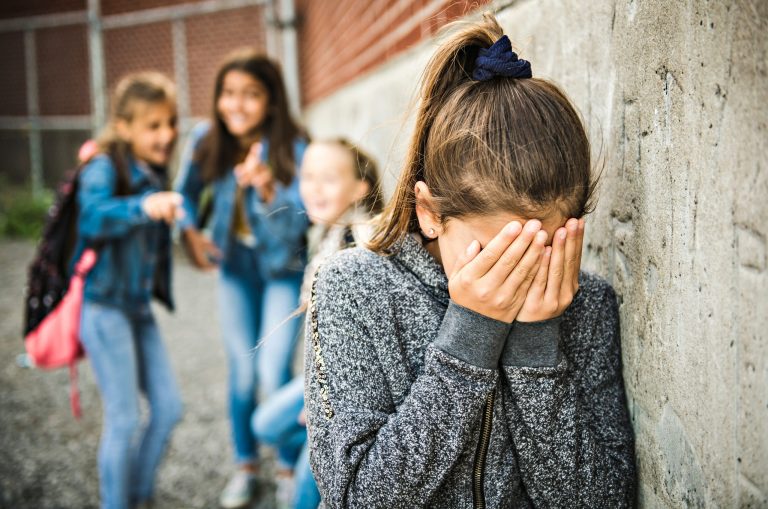
Bullying is defined as unwanted, aggressive behavior characterized by a real or perceived power imbalance. This dynamic often manifests as repeated patterns of physical, verbal, or social aggression designed to isolate the target. Such environments significantly compromise a student’s emotional stability and academic performance.
From a behavioral science perspective, these interactions are often reinforced by social rewards or a desire for control. Addressing these patterns requires a systemic approach that targets the bully, the victim, and the bystander. Effective intervention shifts the school ecosystem from passive observation to active support.
For students with neurodiversity, such as those diagnosed with Autism Spectrum Disorder (ASD) across various Levels of Support, the risk of victimization increases. These learners may struggle with social cues, making them primary targets for social exclusion. Tailored socio-emotional coaching is essential to provide them with the tools for self-advocacy.
[GALERIA_VIDEOS]
Evidence-Based Activities for a Bully-Free Environment
1. Peer-Mediated Social Scripts
Students often want to help a peer but lack the linguistic tools to intervene safely. Educators can implement social scripts, which are pre-written, rehearsed dialogues that teach bystanders how to redirect a bully or support a victim. This strategy transforms the bystander into an active defender through structured role-play.
2. The “Mix It Up” Lunch Initiative
Social exclusion is a potent form of bullying that damages a child’s sense of belonging. By organizing a “Mix It Up” lunch day, schools encourage students to sit with peers outside their usual social circles. This activity breaks down cliques and fosters tolerance by humanizing students who are typically marginalized.
3. Functional Behavioral Analysis (FBA) Roleplay
To stop aggression, we must understand the function of the behavior—whether it is to gain attention or avoid a task. Using a Functional Behavioral Assessment framework, students can analyze hypothetical scenarios to identify the “why” behind a bully’s actions. This develops cognitive empathy and allows students to propose alternative, positive behaviors.
4. Media Literacy and Movie Analysis
Films often depict bullying as a rite of passage or a comedic element, which can normalize aggression. Students should examine specific movie clips to critique how characters handle conflict and identify the most helpful bystander actions. This critical analysis helps students decouple fictional tropes from real-world consequences.
5. Student-Authored Advocacy Books
Peer-to-peer education is often more impactful than top-down instruction from adults. Encouraging students to write and illustrate books about their experiences with bullying empowers them to share their voice. These books can be read to younger grades, creating a culture of mentorship and protection.
6. Empathy Muscle Training
Compassion is not always innate; it can be developed like a muscle through consistent practice. Activities that focus on perspective-taking, such as “a day in the life” journaling, help students recognize the emotional toll of harassment. This shifts the focus from the perpetrator’s power to the victim’s internal experience.
7. Cyber-Safety Simulation Labs
Cyberbullying occurs in digital spaces where the lack of immediate feedback can escalate aggression. Educators can create simulated, safe digital environments where students practice reporting abusive content and supporting victims online. This provides a practical application of digital citizenship and online ethics.
8. Public Speaking for Peer Education
Giving students a platform to educate their peers on the impact of bullying fosters leadership and accountability. By preparing presentations on the psychological effects of harassment, students internalize the gravity of the issue. This transforms the student body from a passive audience into a proactive coalition.
9. Tolerance and Stereotype Workshops
Many bullying behaviors stem from a lack of understanding regarding differences in race, gender, or ability. Workshops that explicitly address stereotyping and appreciate diversity help dismantle the prejudices that fuel power imbalance. These sessions should include interactive discussions on how words can either heal or harm.
10. Socio-Emotional Coaching Circles
Implementing socio-emotional coaching in small group settings allows students to practice conflict resolution in real-time. These circles provide a safe space to discuss anger management and the importance of emotional regulation. The goal is to replace aggressive reactions with assertive, non-violent communication.
Implementing a Systemic Prevention Framework
Successful prevention requires more than isolated activities; it demands a peer-mediated intervention strategy integrated into the daily curriculum. Schools must establish clear systems for early detection and immediate intervention to ensure no student feels isolated. When educators and parents align their values, the environment becomes hostile to bullying and welcoming to all.
Furthermore, discipline should not be purely punitive but should serve as an opportunity for the perpetrator to develop compassion. By focusing on restorative justice, schools can help bullies understand the impact of their actions and reintegrate them into the community positively. This holistic approach ensures that the root causes of aggression are addressed.
FAQ
What is the difference between conflict and bullying?
Conflict is a disagreement between peers of equal power, whereas bullying involves a repeated pattern of aggression and a clear imbalance of power.
How can I support a student with ASD who is being bullied?
Provide explicit social scripts for self-advocacy and implement a support network of trained peer mentors to ensure they are included in social activities.
Why is the bystander’s role so critical in bullying prevention?
Bystanders provide the social reinforcement the bully seeks; when bystanders intervene or refuse to participate, the bully loses their perceived power.