
The Ultimate Guide To Resolving Conflicts Between Children At Home And School
The Ultimate Guide to Resolving Conflicts Between Children at Home and School
Conflict resolution is a cornerstone of socio-emotional development, enabling children to navigate interpersonal friction with maturity. Mastering these skills early prevents the escalation of disputes and fosters long-term empathy. This process transforms inevitable disagreements into opportunities for cognitive growth.
From a behavioral perspective, disputes often stem from unmet needs or a lack of communication tools. Implementing a Functional Assessment allows caregivers to identify the triggers and reinforcements maintaining the disruptive behavior. By analyzing the antecedent, the behavior, and the consequence, we can design targeted interventions.
For children with Autism Spectrum Disorder (ASD), the level of support required—ranging from Level 1 to Level 3—dictates the complexity of the resolution strategy. Neurodiversity necessitates a tailored approach where visual aids and explicit instruction replace implicit social cues. This ensures that all children, regardless of their cognitive profile, can participate in peaceful resolution.
[GALERIA_VIDEOS]
The STAR Method for Systematic Resolution
Stop and Listen
The first phase involves neutralizing the immediate tension by allowing each party to express their perspective. Caregivers must act as neutral facilitators, ensuring that every child feels heard without judgment. This step identifies the underlying causes of the argument before emotions escalate further.
Find Solutions and Set Limits
Once the emotional climate has stabilized, the focus shifts to brainstorming reasonable boundaries. Parents should encourage children to propose their own ideas, fostering a sense of autonomy and responsibility. This stage prevents the adult from simply imposing a solution, which often leads to resentment.
Take Concrete Action
Children are then guided to select a specific, actionable resolution that satisfies both parties. Providing a menu of options helps those who struggle with executive functioning to make a decision. This transition from theory to practice solidifies the problem-solving process.
Review and Correct
The final step requires a retrospective analysis to ensure the resolution was effective. Discussing what worked and what didn’t prevents the repetition of the same conflict. This reflective practice builds the cognitive flexibility needed for future social interactions.
Optimizing the School Ecosystem
Educational environments require a structured approach to manage peer friction effectively. Implementing peer-mediated intervention empowers students to act as conflict resolution mentors for their classmates. This strategy leverages social influence to promote pro-social behaviors within the classroom.
To support students who struggle with social nuances, educators can utilize Social Scripts. These are pre-written dialogue guides that provide a roadmap for how to initiate a conversation or apologize. Such tools reduce anxiety and provide a predictable framework for interaction.
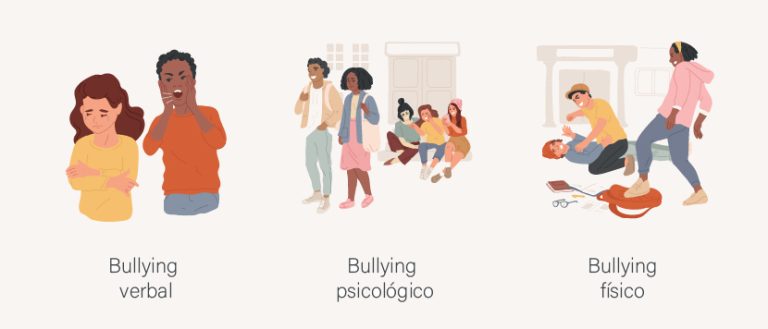
Furthermore, socio-emotional coaching should be integrated into the daily curriculum rather than treated as a reactive measure. By teaching emotional regulation and active listening as core competencies, schools create a preventative shield against bullying. This systemic approach ensures that mental health is prioritized alongside academic achievement.
Managing Home Dynamics and Sibling Rivalry
Understanding sibling roles—such as the mentor-like Elder, the challenging Cadet, or the bridge-building Middle child—is essential for targeted intervention. Recognizing these dynamics allows parents to address the specific pressures each child feels. This awareness prevents the unfair application of expectations based on birth order.
A powerful cognitive shift occurs when parents frame the dispute as “the family versus the problem” rather than “child versus child.” This alignment reduces defensiveness and encourages collaborative thinking. It transforms the conflict from a battle of wills into a shared puzzle to be solved.
When negotiations stall, striving