Why Reading Books About Bullying Can Save A Life
Why Reading Books About Bullying Can Save a Life
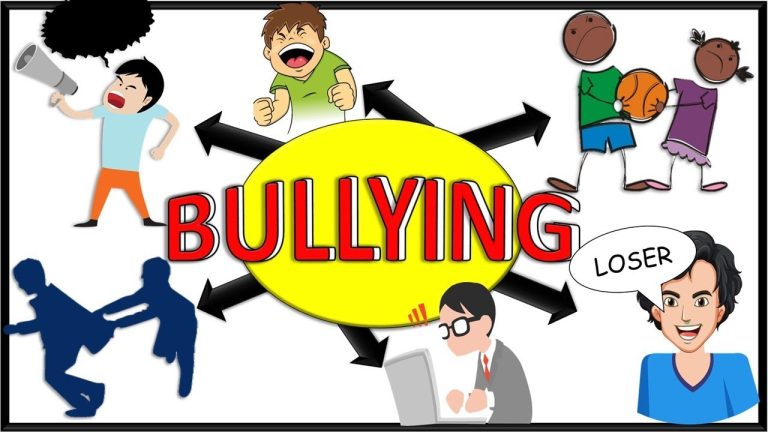
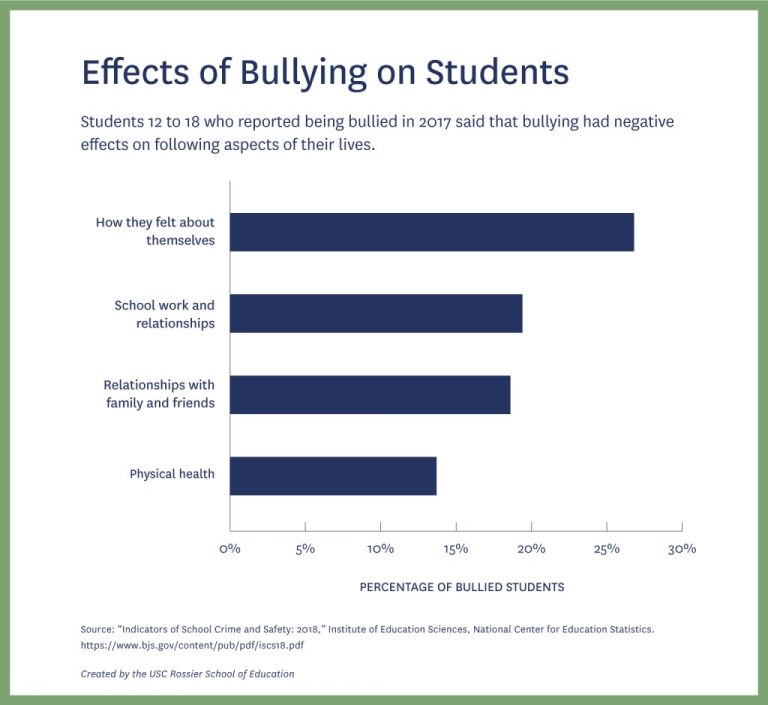
Peer aggression and social exclusion act as potent stressors that can fundamentally alter a child’s psychological trajectory. When these experiences are left unaddressed, they often lead to severe internalizing behaviors, including chronic anxiety and depression. Literature serves as a critical bridge, transforming silent suffering into a shared vocabulary for healing.
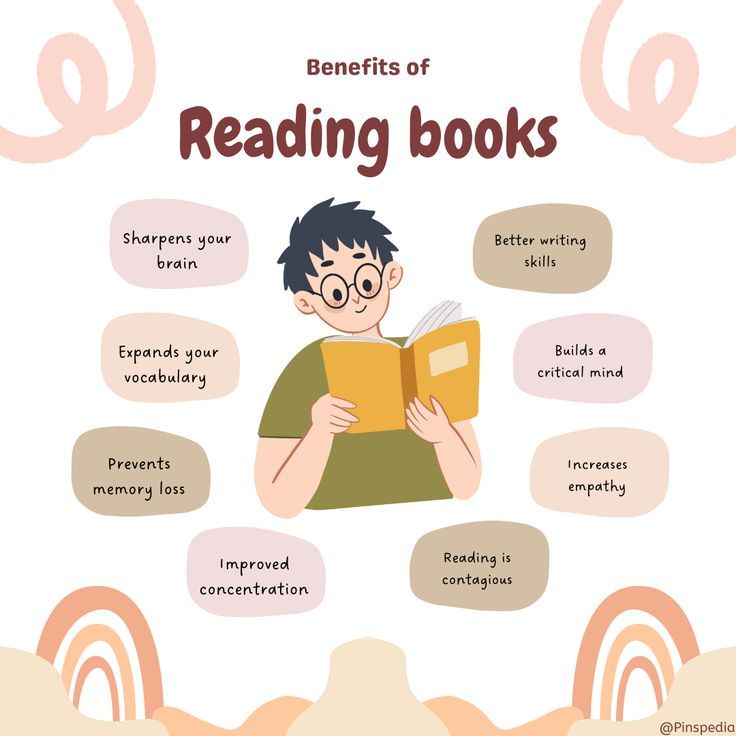
Engaging with printed texts provides a cognitive advantage over digital formats by enhancing deep comprehension and memory retention. The tactile nature of physical pages allows the brain to anchor information more effectively, facilitating a more profound understanding of complex social dynamics. This neurological engagement is essential for children to process the nuances of interpersonal conflict.
Literary fiction specifically fosters the development of Theory of Mind, allowing readers to simulate the mental states of others. By immersing themselves in the perspective of a character, students cultivate a level of empathy that is often difficult to achieve through direct instruction alone. This capacity to relate to another’s pain is the first step in dismantling the cycle of aggression.
[GALERIA_VIDEOS]
The Role of Narratives in the School Ecosystem
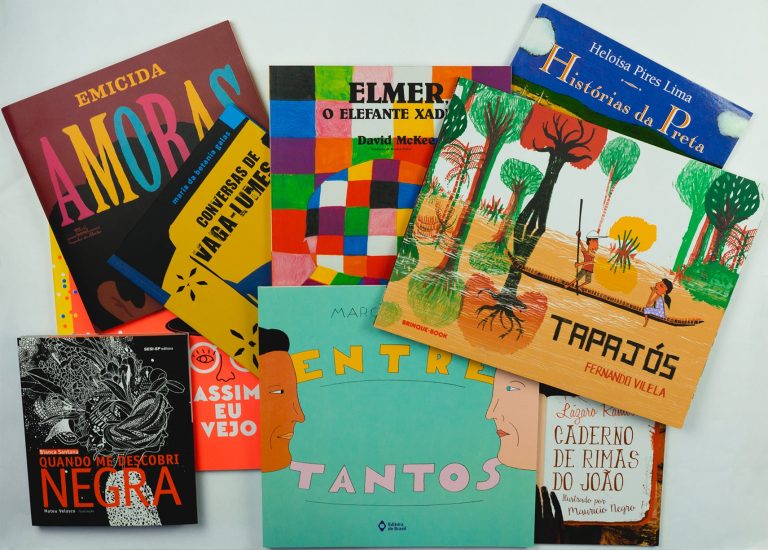
Integrating picture books into the classroom transforms the environment into a safe laboratory for socio-emotional coaching. These stories allow educators to externalize the problem, making it easier for children to discuss the roles of the victim, the aggressor, and the bystander without feeling immediate vulnerability. This approach shifts the focus from blame to collective problem-solving.
To move from theory to action, educators should implement Social Scripts derived from these stories. By practicing specific, rehearsed responses to bullying scenarios, children gain the linguistic tools necessary to assert boundaries or support a peer. This behavioral rehearsal reduces the freeze response often experienced during high-stress social encounters.
Such interventions are particularly vital for students exhibiting neurodiversity, including those diagnosed with Autism Spectrum Disorder (ASD). Depending on their Levels of Support, these students may struggle to decode non-verbal cues or subtle social exclusions. Narratives provide a concrete, predictable framework for understanding these abstract social interactions.
Advanced Behavioral Interventions for Adolescents
As children transition into adolescence, the nature of peer conflict evolves into more complex forms, including cyberbullying and relational aggression. At this stage, literature serves as a catalyst for dialogue, helping teenagers articulate feelings that may seem overwhelming or shameful. Honest narratives validate their experiences and reduce the isolation that often precedes crisis.
From an ABA perspective, reading about these dynamics can be paired with a Functional Assessment of behavior. By analyzing the “why” behind the bully’s actions through a character’s lens, students can identify the triggers and reinforcements maintaining the aggression. This analytical approach strips the bully of their power by treating the behavior as a maladaptive skill deficit.
Furthermore, peer-mediated intervention can be scaled by using book clubs or guided reading groups to foster allyship. When a group of peers collectively decides to reject bullying based on a shared narrative value, the social cost for the aggressor increases. This shift in the social hierarchy is often more effective than top-down disciplinary measures.
The Neurological Impact of Literacy on Mental Health
Regular reading acts as a cognitive workout that improves overall brainpower and slows the decline of memory functions. Beyond intelligence, the act of diving into a story provides a necessary psychological reprieve, reducing cortisol levels and promoting relaxation. For a child in crisis, a book can be a sanctuary of stability in a chaotic world.
The cumulative effect of these cognitive and emotional benefits is a significant increase in resilience. When a child sees their struggle mirrored in a book and witnesses a path toward resolution, they develop a sense of agency. This shift from helplessness to empowerment is precisely what can prevent a tragic outcome during a mental health crisis.
Ultimately, the intersection of behavioral science and literature creates a robust safety net for vulnerable youth. By combining the empathy induced by reading with the precision of applied behavioral strategies, we can protect the most fragile members of our educational communities. Literature does not just tell a story; it provides a blueprint for survival.
FAQ
How do I choose the right book for a child who is currently being bullied?
Select narratives that offer a balance of validation and agency. Look for stories where the protagonist utilizes a specific strategy to resolve the conflict, providing the child with a tangible model for behavior rather than just a depiction of suffering.
Can reading books actually stop a bully from acting out?
Yes, because literary fiction enhances empathy by forcing the reader to inhabit the victim’s perspective. When paired with socio-emotional coaching, this can help the aggressor recognize the impact of their actions and develop more adaptive social skills.
Why is a print book preferred over an e-book for this purpose?
Research indicates that print books provide better context and deeper comprehension due to the tactile experience. In sensitive emotional work, the slower pace and reduced distractions of a physical book facilitate the deep reflection necessary for empathy.