The Ultimate List Of Children’S Books About Managing Rage
The Ultimate List of Children’s Books About Managing Rage
Rage is a distinct physiological state from anger, often rooted in trauma or limbic system hyperactivity rather than a simple unfulfilled desire. While anger allows for verbal communication and environmental scanning, rage frequently manifests as a “blank” expression and a temporary loss of linguistic capacity. Understanding this distinction is critical for implementing effective behavioral interventions.
For children with Autism Spectrum Disorder (ASD), particularly those requiring Level 1 support, these episodes can appear erratic or sudden. These outbursts are often triggered by perceptions of unfairness or sensory overload within the school ecosystem. Identifying early physiological markers, such as muscle tension or vocal shifts, is the first step toward regulation.
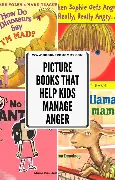
Bibliotherapy serves as a powerful tool for socio-emotional coaching by providing a safe distance for the child to analyze their reactions. By using stories as a mirror, children can develop a vocabulary for complex emotions like humiliation or embarrassment. This process transforms an abstract “yucky feeling” into a manageable concept.
[GALERIA_VIDEOS]
Essential Categories for a Rage-Management Library
The Personalized “Yucky Feeling” Book
The most effective tool in a child’s arsenal is not a commercial product, but a customized narrative. By conducting a Functional Assessment, caregivers can identify specific triggers and create a book using actual photographs of the child in various states. This personalized volume should be reviewed daily to help the child recognize the onset of dysregulation and identify safe movement-based outlets.
Books for Physiological Identification
Children need literature that focuses on the “early warning signs” of an explosion. Look for stories that describe the tightness in the body, the change in eye expression, or the shift in tone of voice. These books act as a primer for the child to respond to a predetermined signal from an adult, allowing them to walk away or utilize deep breathing before the limbic system takes over.
Narratives on Cognitive Reframing and Fairness
Many children, especially those within the spectrum of neurodiversity, struggle with the concept of “fairness.” Books that explicitly address the feeling of being treated unfairly provide a platform for Social Scripts. These scripts allow the child to articulate their frustration verbally rather than acting it out through destructive behaviors.
Caregiver Co-Regulation Guides
Managing a child’s explosive behavior requires a regulated adult. Literature focusing on “parent rage” helps caregivers recognize that their own outbursts are often signals of overwhelm and societal pressure. By reading about mindful breaks and the cycle of guilt and regret, parents can better model the emotional control they wish to instill in their children.
Implementation Strategies for Educators and Parents
Integrating Peer-Mediated Intervention
Books should not be read in isolation but integrated into a peer-mediated intervention strategy. When peers understand the physiological nature of rage, they can provide a supportive environment that reduces the child’s sense of humiliation. This collective understanding transforms the classroom into a safe space for recovery.
The Role of Modeling and Consequences
No literary tool is as effective as a parent or teacher modeling the behavior described in the books. When an adult demonstrates how to handle a trigger calmly, they provide a living blueprint for the child. Furthermore, books should be paired with pre-discussed, written consequences to ensure the child has a clear framework of expectations.
FAQ
What is the primary difference between anger and rage?
Anger typically stems from a goal not being met and allows the person to remain communicative. Rage is often a result of trauma or limbic system activity, characterized by a loss of verbal ability, unusual strength, and a blank facial expression.
How can I help a child with ASD Level 1 who flips into rage?
Focus on identifying early signs like body tightness or tone changes. Use a specific signal to prompt them to stay calm, provide distractions that interest them, and give them the specific vocabulary to express feelings of embarrassment or unfairness.
What should I do if I experience “mom rage” while dealing with my child?
Recognize the feeling as a signal of overwhelm. Prioritize mindful breaks to restore your own calm and communicate your needs to a partner to build a support system, as modeling regulation is the most effective teaching technique.