
Is School Responsible For Off-Campus Cyberbullying
Is School Responsible for Off-Campus Cyberbullying?
Cyberbullying is a pervasive issue that affects many students worldwide, causing emotional distress, anxiety, and depression. While schools have traditionally been responsible for ensuring student safety within their walls, the question remains: are they also responsible for off-campus cyberbullying? In this article, we will explore the complexities of this issue and examine the role of schools in addressing off-campus cyberbullying.
Understanding Cyberbullying
Cyberbullying is defined as using technology to harass, threaten, embarrass, or target someone on social media, gaming platforms, or messaging apps. This can include spreading rumors, posting hurtful messages or embarrassing photos, creating fake accounts, or sending threatening communications.
Legal Basis for School Authority Over Cyberbullying
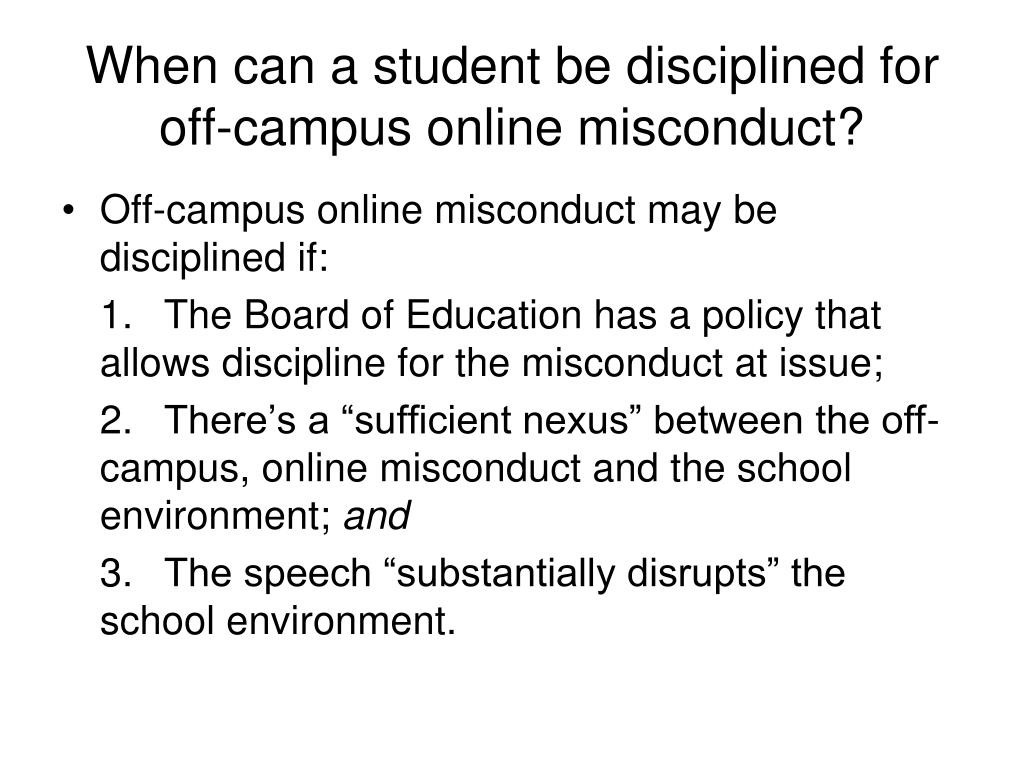
The legal basis for school authority over cyberbullying is rooted in several landmark court cases, including Tinker v. Des Moines Independent Community School District (1969), Bethel School District No. 403 v. Fraser (1986), and Davis v. Monroe County Board of Education (1999). These cases established that schools have the authority to discipline students for off-campus behavior that disrupts the school environment or interferes with the rights of other students.
School Responsibility for Off-Campus Cyberbullying
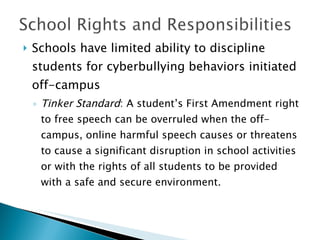
While schools are not directly responsible for off-campus cyberbullying, they can take steps to address the issue. According to the Mahanoy Area School District v. B.L. (2021) Supreme Court case, schools can punish students for off-campus speech that “materially disrupts” school operation and discipline.
Strategies for Schools to Address Off-Campus Cyberbullying
Schools can implement several strategies to address off-campus cyberbullying, including:
- Developing and enforcing clear policies on cyberbullying
- Providing education and awareness programs for students, parents, and staff
- Encouraging reporting of incidents and providing support for victims
- Collaborating with law enforcement and other agencies to address off-campus incidents
Conclusion
In conclusion, while schools are not directly responsible for off-campus cyberbullying, they have a critical role to play in addressing the issue. By developing and enforcing clear policies, providing education and awareness programs, encouraging reporting of incidents, and collaborating with law enforcement, schools can help create a safer and more supportive environment for all students.