How To Stop A Bully Without Using Violence
How to Stop a Bully Without Using Violence
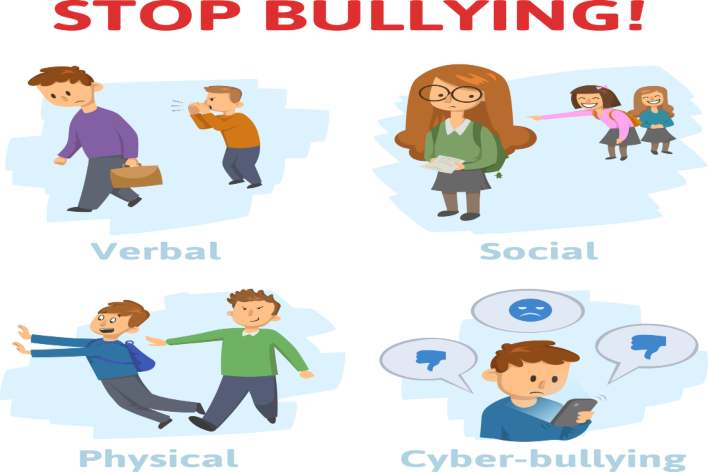
Bullying is a pervasive issue that affects individuals of all ages, backgrounds, and settings. It can take many forms, including verbal, physical, social, and cyberbullying. While it’s natural to want to defend oneself or others from bullying behavior, resorting to violence is rarely an effective or sustainable solution. In this article, we’ll explore evidence-based strategies for stopping a bully without using violence.
Understanding Bullying Behavior
Bullying behavior is often characterized by a power imbalance between the perpetrator and the victim. Bullies may use coercion, intimidation, or manipulation to control or dominate others. To effectively address bullying, it’s essential to understand the underlying motivations and dynamics driving this behavior.
Non-Violent Strategies for Stopping a Bully
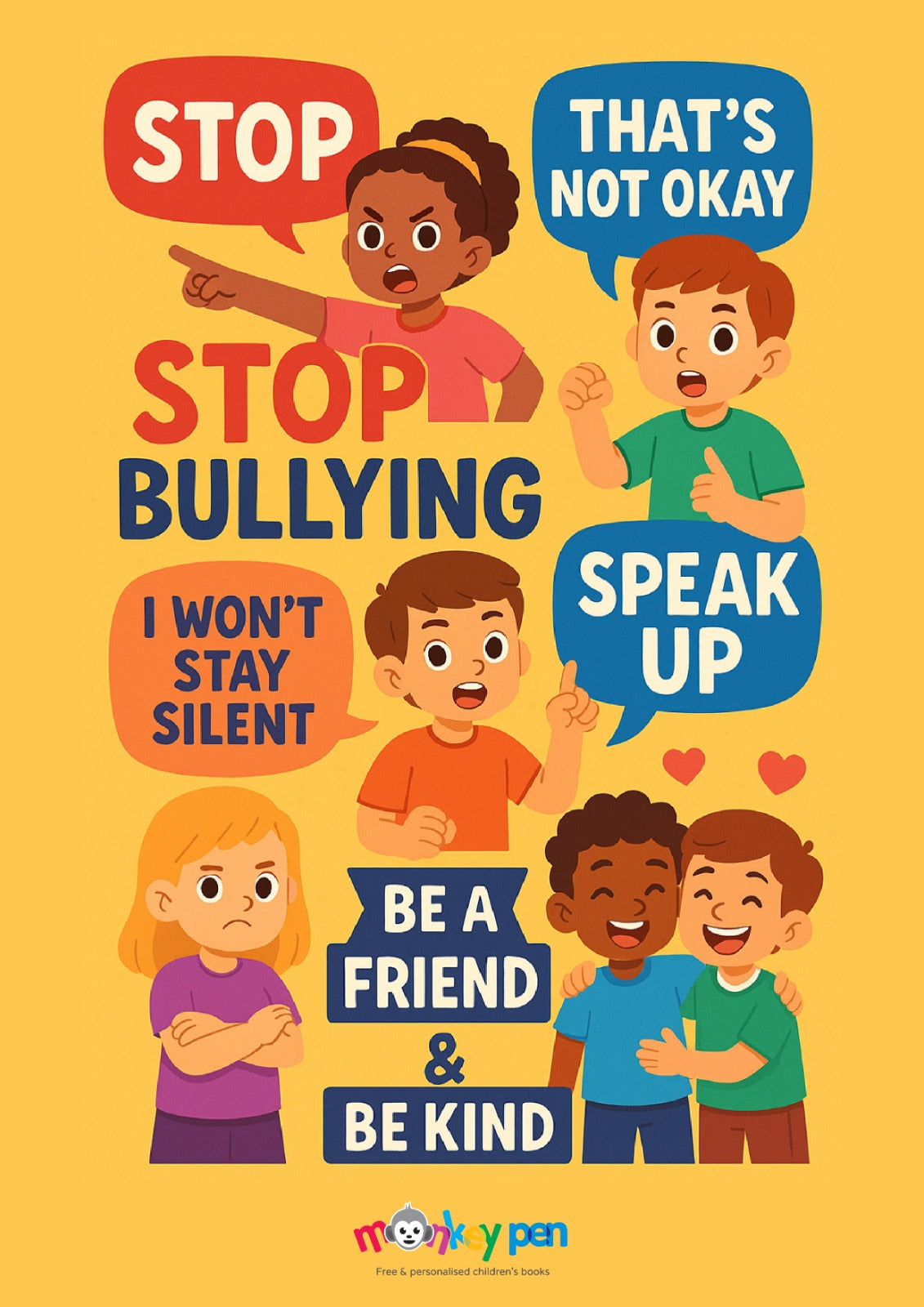
So, how can you stop a bully without using violence? Here are some evidence-based strategies:
- Stay calm and assertive: When confronted by a bully, it’s essential to remain calm and composed. Avoid getting defensive or emotional, as this can escalate the situation. Instead, use a firm but respectful tone to assert your boundaries.
- Use “I” statements: When communicating with a bully, try using “I” statements instead of “you” statements. This helps to focus on your own feelings and experiences rather than attacking or blaming the other person.
- Set clear boundaries: Clearly communicate your expectations and boundaries to the bully. Be specific, direct, and firm in your communication.
- Seek support: Don’t be afraid to seek help from a trusted adult, authority figure, or peer. Having a supportive network can make a significant difference in addressing bullying behavior.
Creating a Supportive Environment
To prevent and address bullying, it’s essential to create a supportive environment that promotes social-emotional learning, empathy, and inclusivity. Here are some strategies for creating such an environment:
- Promote positive relationships: Foster positive relationships between students, teachers, and staff by encouraging open communication, active listening, and empathy.
- Teach social-emotional skills: Integrate social-emotional learning into the curriculum to help students develop essential life skills such as self-awareness, self-regulation, and conflict resolution.
- Encourage inclusivity: Foster an inclusive environment that values diversity and promotes a sense of belonging among all members of the community.
Conclusion
Stopping a bully without using violence requires a thoughtful and multi-faceted approach. By understanding the underlying dynamics of bullying behavior, using non-violent strategies, and creating a supportive environment, we can effectively address this pervasive issue. Remember, everyone deserves to be treated with respect, kindness, and compassion.