
How To Build Resilience In Bullied Children
Building Resilience in Bullied Children: A Comprehensive Guide
Bullying is a pervasive issue that affects millions of children worldwide, causing emotional distress, anxiety, and decreased self-esteem. As parents, educators, and caregivers, it’s essential to provide support and guidance to help bullied children develop resilience and overcome the negative effects of bullying.
Understanding Bullying and Its Effects
Bullying is a complex issue that can take many forms, including physical, verbal, social, and cyberbullying. Children who experience bullying may feel isolated, helpless, and powerless, leading to decreased self-esteem, anxiety, and depression.
Creating a Safe Space for Open Communication
The first step in supporting bullied children is to create a safe and non-judgmental space where they feel comfortable sharing their experiences. This can be achieved by:
- Listening actively and empathetically
- Validating their feelings and emotions
- Avoiding interrupting or offering solutions too quickly
Teaching Assertive Responses and Simple Comebacks
While it’s essential to avoid escalating the situation, teaching assertive responses can help children feel more in control. Some strategies include:
- Staying calm and confident
- Using humor or ignoring the bully
- Setting boundaries firmly
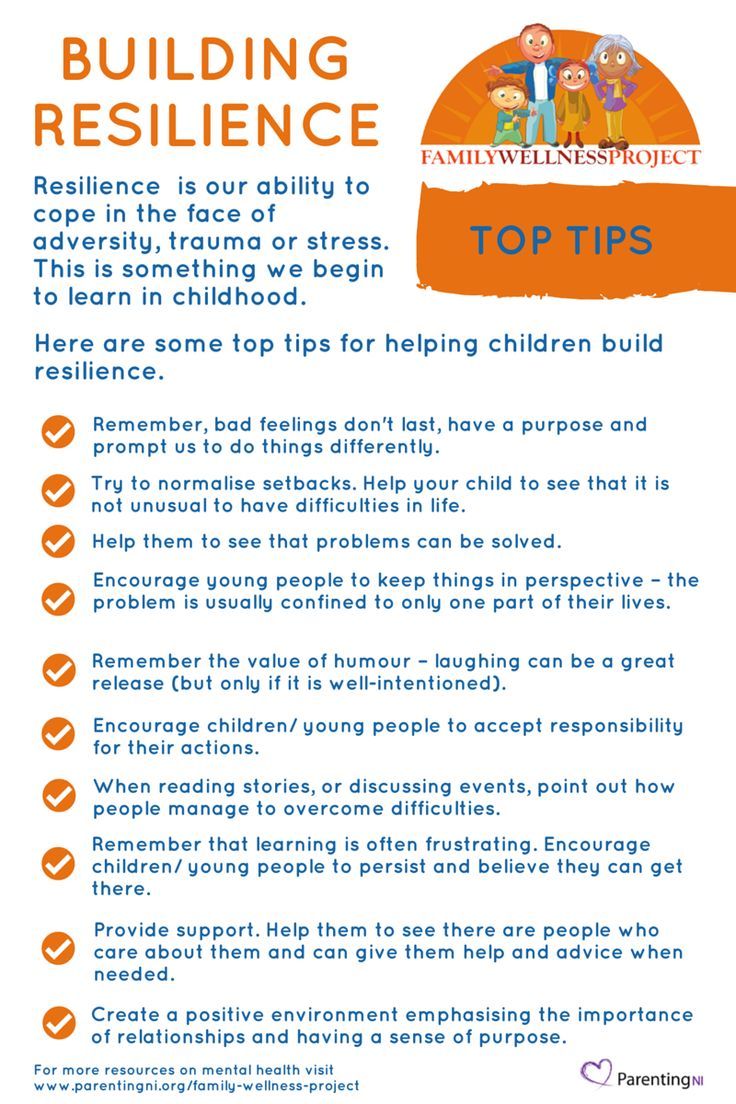
Encouraging Emotional Regulation and Expression
Children who experience bullying may struggle with emotional regulation and expression. Encouraging healthy outlets, such as:
- Play and imaginative play
- Art and creative activities
- Storytelling and role-playing
Fostering Resiliency through Problem-Solving Skills
Teaching problem-solving skills can help children develop resilience and overcome challenges. Some strategies include:
- Encouraging critical thinking and creativity
- Modeling positive problem-solving behaviors
- Providing opportunities for practice and feedback
Conclusion
Building resilience in bullied children requires a comprehensive approach that includes creating a safe space for open communication, teaching assertive responses, encouraging emotional regulation and expression, and fostering problem-solving skills. By providing support and guidance, we can help children develop the tools they need to overcome the negative effects of bullying and thrive in the face of adversity.