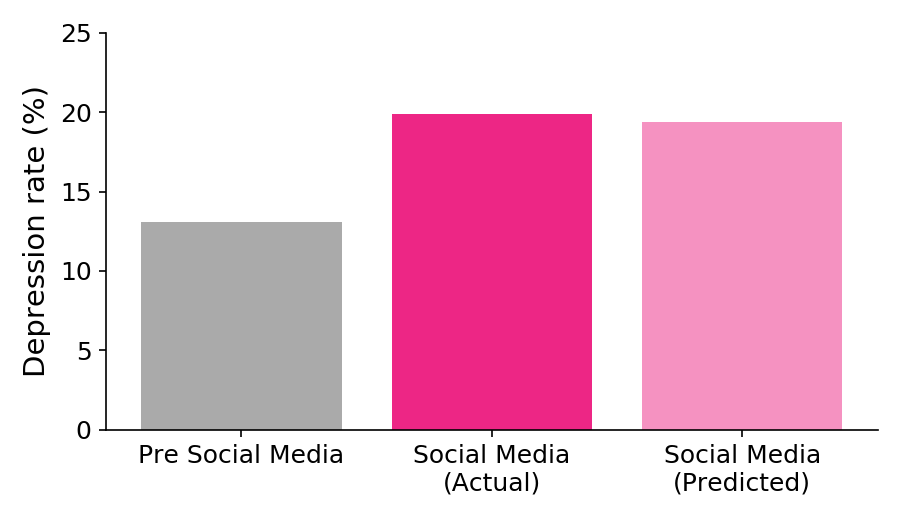
Relationship Between Social Media And Teen Depression
The Relationship Between Social Media and Teen Depression
As a Senior Expert in Educational Psychology and Applied Behavior Analysis (ABA), I have dedicated my career to understanding the complex relationships between technology, social media, and adolescent development. In this article, we will explore the intricate dynamics between social media usage and teen depression, highlighting the latest research findings and providing actionable strategies for parents, educators, and mental health professionals.
The Digital Landscape of Teenagers
Today’s teenagers are growing up in a world where social media is an integral part of their daily lives. Platforms like Instagram, TikTok, and Snapchat have become essential tools for communication, self-expression, and socialization. However, this increased exposure to digital media has also raised concerns about the potential impact on mental health, particularly depression.
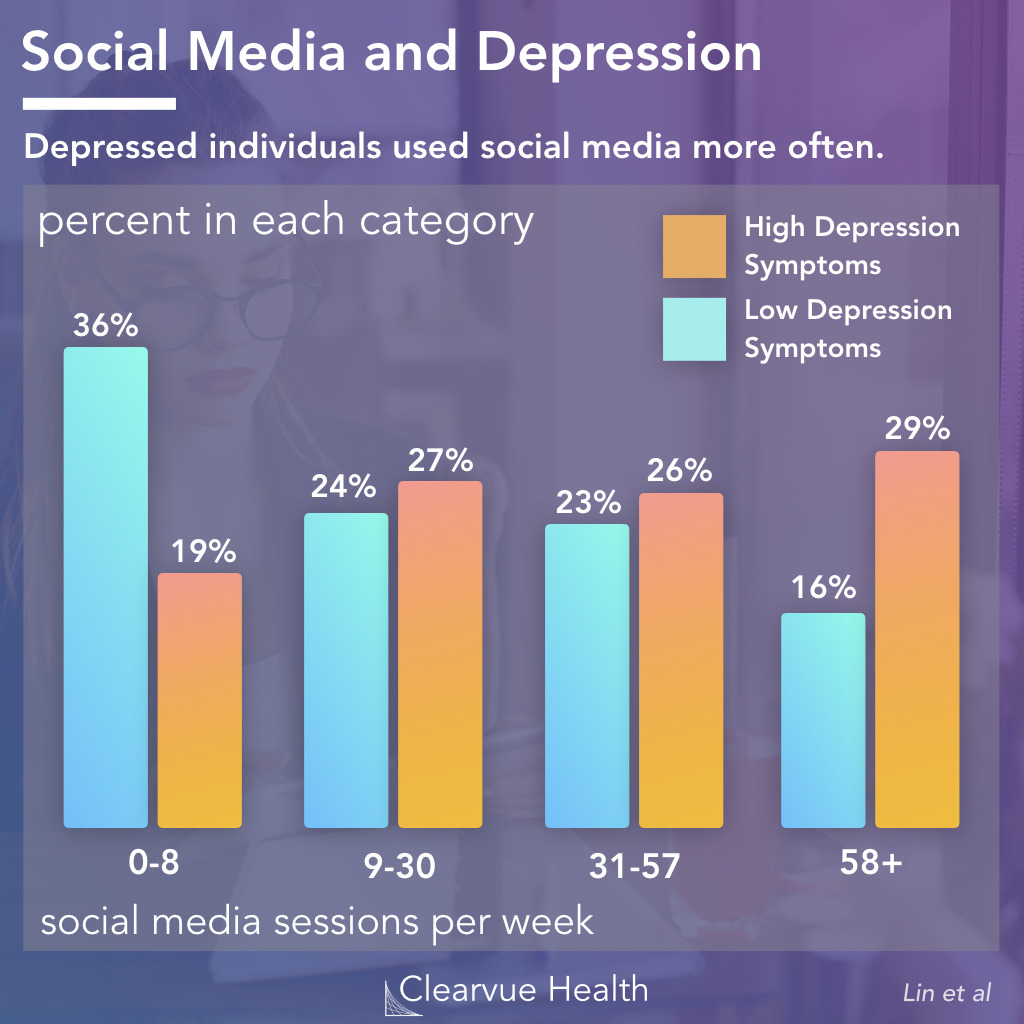
The Link Between Social Media and Teen Depression
Research has consistently shown that excessive social media use is associated with increased symptoms of depression, anxiety, and loneliness among teenagers. A study published in the Journal of Adolescent Health found that teens who spent more time on social media were more likely to experience depression, even after controlling for other factors such as physical activity and sleep quality.
So, what explains this link between social media and teen depression? One possible explanation is the concept of “social comparison.” Social media platforms showcase the highlight reels of others’ lives, making it easy for teenagers to compare their own experiences unfavorably. This can lead to feelings of inadequacy, low self-esteem, and decreased motivation.
The Role of Cyberbullying
Cyberbullying is another significant factor contributing to the relationship between social media and teen depression. According to a study by the Pew Research Center, 59% of teens have experienced online harassment, with girls being more likely to be victims than boys.
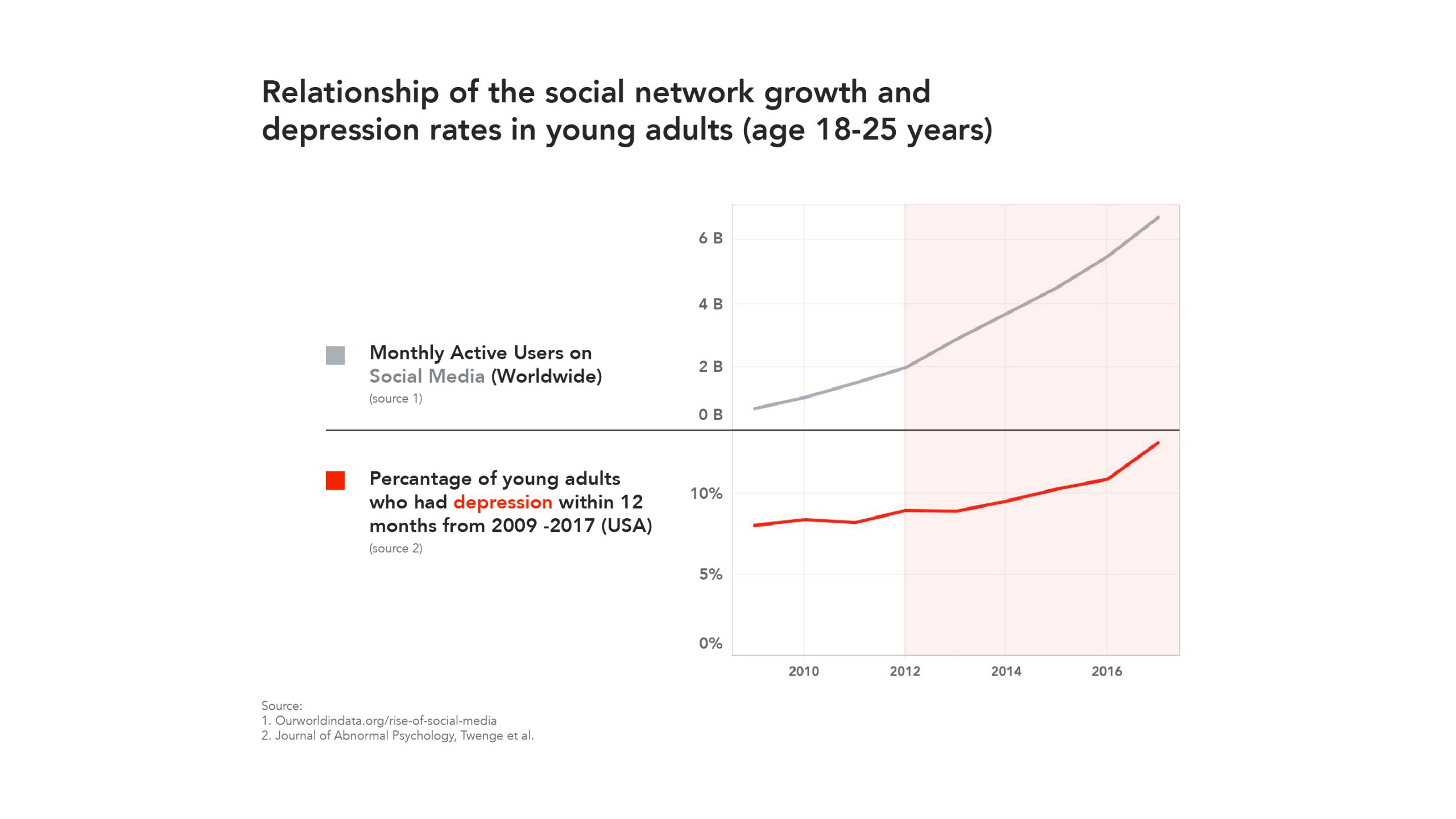
Strategies for Parents and Educators
So, what can parents and educators do to mitigate the negative effects of social media on teen depression? Here are some evidence-based strategies:
- Monitor social media use: Set limits on screen time, and encourage teenagers to engage in offline activities that promote physical activity, creativity, and socialization.
- Promote digital literacy: Educate teenagers about online safety, cyberbullying prevention, and responsible social media behavior.
- Encourage open communication: Create a safe and supportive environment where teenagers feel comfortable discussing their online experiences and emotions.
- Foster empathy and self-compassion: Teach teenagers to recognize and challenge negative self-talk, and promote self-care practices that enhance mental well-being.
Conclusion
The relationship between social media and teen depression is complex and multifaceted. While social media has many benefits, excessive use can contribute to increased symptoms of depression, anxiety, and loneliness. By understanding the underlying dynamics and implementing evidence-based strategies, parents, educators, and mental health professionals can work together to promote healthy social media habits and support the mental well-being of teenagers.