The Role Of School Counselors In Resolving Peer Conflict
The Role of School Counselors in Resolving Peer Conflict

Empowering Students with Conflict Resolution Skills
School counselors play a crucial role in helping students resolve peer conflicts. As seen in the video, school counselor Shazae Smith teaches kindergartners through fifth graders conflict resolution skills to help them cope and channel their feelings.
By teaching these skills before any major incidents occur, students are more likely to remember them when they’re needed most. This proactive approach helps to reduce the likelihood of peer conflicts escalating into bullying or violence.
Creating a Safe and Confidential Environment
One essential aspect of resolving peer conflicts is providing a safe and confidential environment for students to share their feelings without judgment. School counselors can gather the parties involved in a conflict in a central location, such as their office, to facilitate open discussions.
During these conversations, it’s important for school counselors to remain impartial and listen to all sides of the story with empathy and understanding. This helps students feel heard and understood, fostering an environment conducive to conflict resolution.
Setting Clear Communication Guidelines
To ensure productive conversations, school counselors should set guidelines for how students communicate during conflict resolution sessions. One effective method is to have each student pick a number between one and twenty-five, with the closest number to the counselor’s chosen number going first.
By following this structure, all parties will have an opportunity to share their story without interruptions. This approach promotes fairness and helps students feel heard and valued throughout the process.
Building Relationships with Students
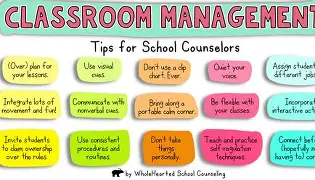
Establishing relationships with students early on is essential for successful conflict resolution. By building trust and rapport, students are more likely to confide in their school counselors when conflicts arise.
Additionally, a strong relationship between the student and counselor can help students feel supported throughout the conflict resolution process, encouraging them to practice empathy and peaceful conflict resolution strategies.
Navigating “Girl Drama”: A Special Challenge
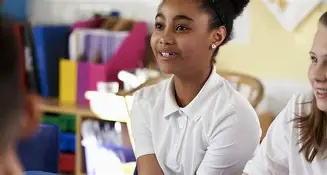
Dealing with girl drama can be a unique challenge for school counselors. However, by applying the same principles of providing a safe space, setting guidelines for communication, and building relationships, counselors can effectively support students in resolving these conflicts as well.
Additional Resources
For further resources and guidance on conflict resolution for school counselors, check out the following videos and articles:
- Vídeo: School Counselor Teaching Conflict Resolution
- Vídeo: Navigating Girl Drama: How School Counselors Can Help
Conclusion
School counselors play a vital role in resolving peer conflicts by providing a safe space, teaching conflict resolution skills, setting clear communication guidelines, and building relationships with students. By empowering students to handle conflicts peacefully and empathetically, school counselors can help create a safer and more inclusive learning environment for all.