How To Teach Children Conflict Resolution Skills
Advanced Strategies for Teaching Conflict Resolution in Children
Conflict resolution is a complex cognitive-behavioral process involving the ability to navigate interpersonal friction without escalating into aggression. It requires a synthesis of emotional regulation and communicative competence to reach a mutually acceptable outcome. This skill set is fundamental for fostering a healthy school ecosystem.
For children with neurodiversity, such as those diagnosed with Autism Spectrum Disorder (ASD), these skills may not develop organically. Depending on the required Levels of Support, some students may need explicit, systematic instruction to decode social cues. This necessitates a shift from intuitive learning to structured behavioral training.
Effective intervention begins with a Functional Assessment of the conflict’s trigger to understand the underlying purpose of the behavior. By identifying whether a dispute is driven by sensory overload or a desire for a specific object, educators can tailor their approach. This precision ensures that the resolution strategy addresses the root cause rather than the symptom.
[GALERIA_VIDEOS]
The Architecture of Emotional Regulation
Before a child can negotiate a solution, they must achieve a state of physiological baseline. The “Stoplight Method” provides a visual framework for this regulation: Red signifies the need to pause and breathe, Yellow prompts the child to evaluate their feelings, and Green indicates readiness to act constructively. This prevents reactive behaviors and promotes thoughtful communication.
Integrating feelings charts allows students to articulate specific emotions, moving beyond generic terms like “mad” or “sad.” By naming the emotion, the child engages the prefrontal cortex, which helps dampen the amygdala’s fight-or-flight response. This cognitive labeling is a cornerstone of socio-emotional coaching.
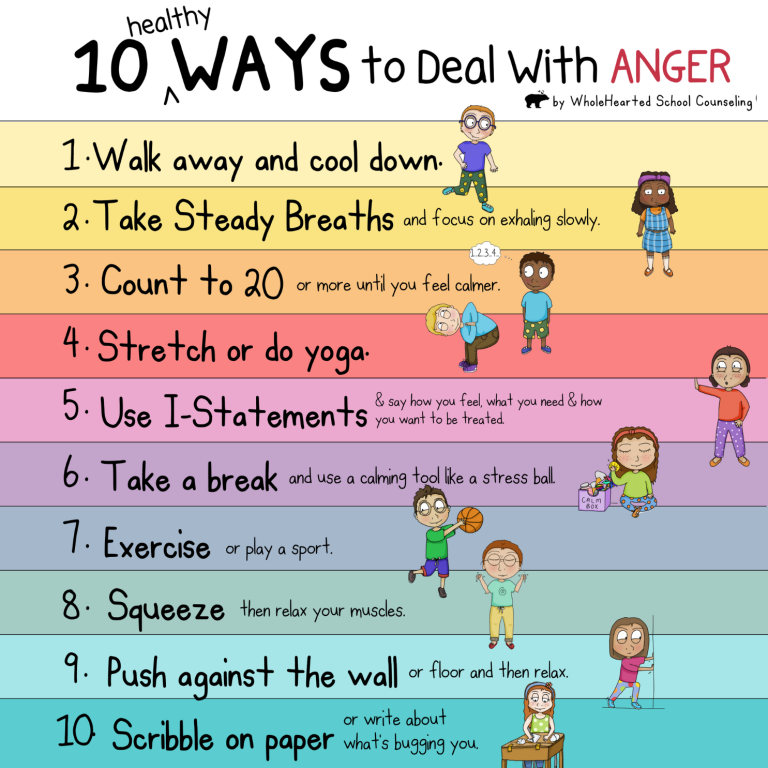
Focused breathing techniques serve as a primary tool for returning to a state of calm. When children are taught to count to five or utilize deep diaphragmatic breathing, they regain the executive function necessary for problem-solving. This biological reset is mandatory before any verbal negotiation can occur.
Implementing Communication Frameworks
Once emotional stability is reached, children should be guided toward the use of “I” statements. This linguistic tool allows a child to express their perspective without assigning blame, which reduces the likelihood of the other party becoming defensive. For example, “I feel upset when the blocks are taken” is more productive than “You stole my blocks.”
To support those who struggle with spontaneous speech, educators can implement Social Scripts. These are pre-written, rehearsed dialogues that provide a roadmap for navigating common disputes. By practicing these scripts through role-playing, children build the muscle memory needed to apply these phrases in real-time scenarios.
Active listening is the final component of the communicative phase. Children must be taught to listen without interrupting, ensuring the other person feels heard and validated. This reciprocal exchange transforms a confrontation into a collaborative effort to find a fair solution.
Environmental Engineering: The Peace Table
Creating a dedicated physical space, such as a Peace Table, institutionalizes the process of peer-mediated intervention. This area serves as a neutral zone where students are invited to resolve disagreements independently using a structured protocol. It shifts the dynamic from teacher-led discipline to student-led resolution.
The process is facilitated by an “instrument of peace,” such as a talking stick or a heart-shaped stone. The child holding the object has the floor, while the other practices active listening. This tangible boundary prevents overlapping speech and ensures a disciplined turn-taking sequence.
The resolution is finalized when both parties agree on a solution and ring a “Peace Bell.” This auditory signal marks the official end of the conflict and encourages the children to let go of the grievance. Co-creating the rules for this space ensures that students feel ownership over the process.
Adaptive Strategies for Diverse Learners
For students requiring higher levels of support, modeling is the most effective instructional method. Adults should intentionally demonstrate how to handle a disagreement with patience and respect in real-time. This provides a living example of the desired behavioral output.
Role-playing hypothetical scenarios allows children to experiment with different outcomes in a safe environment. By simulating a disagreement over art supplies or playground equipment, students can test various conflict management strategies without the pressure of a real emotional crisis.
Consistency across the home and school environments is critical for the generalization of these skills. When parents and educators use the same terminology and tools, the child receives a reinforced message about how to interact with others. This alignment accelerates the internalization of peaceful resolution habits.
FAQ
How do I handle a child who refuses to use the Peace Table?
Avoid forcing the interaction immediately. Allow the child to utilize a “cool-down” period using the Red light of the Stoplight Method until they are physiologically ready to engage in a structured dialogue.
Are Social Scripts too rigid for some children?
While scripts provide a necessary starting point, the goal is to gradually fade the prompts. As the child becomes more comfortable, encourage them to adapt the script to fit the specific nuances of the situation.
What is the difference between a Functional Assessment and a standard observation?
A standard observation describes what happened, whereas a Functional Assessment analyzes why it happened by looking at the antecedents and the consequences that reinforce the behavior.