From Tantrums To Triumphs: Mastering Childhood Behavioral Challenges
From Tantrums to Triumphs: Mastering Childhood Behavioral Challenges
Childhood behavioral outbursts are primarily the result of a neurological gap between the amygdala, the brain’s emotional center, and the prefrontal cortex, which governs impulse control. In early development, the prefrontal cortex remains under construction, leaving children unable to self-soothe or reason through intense frustration. This biological reality transforms simple desires into explosive emotional events.
According to Erik Erikson’s psychosocial stages, toddlers navigate the tension between autonomy and shame. This drive for independence often manifests as a reflexive “no,” serving as a tool for self-assertion rather than mere defiance. Supporting this burgeoning autonomy while maintaining firm boundaries is essential for building long-term emotional security.
Emotional dysregulation frequently occurs when a child’s internal state exceeds their linguistic capacity to communicate needs. When a child lacks the vocabulary to express hunger, fatigue, or overstimulation, the body resorts to physical manifestations of distress. Understanding this gap allows caregivers to shift from a punitive mindset to a supportive one.
[GALERIA_VIDEOS]
The Mechanics of Behavioral Dysregulation
To effectively manage challenging behaviors, practitioners must employ a Functional Behavioral Assessment (FBA). This process involves identifying the specific antecedents—such as transitions or sensory overload—that trigger a meltdown. By analyzing the “why” behind the behavior, we can replace the outburst with a more adaptive response.
Environmental triggers often act as catalysts for these episodes, particularly in high-stimulation settings. Factors like disrupted routines or physiological stressors can lower a child’s threshold for frustration. Proactive environmental modifications can significantly reduce the frequency of these behavioral spikes.
Clinical Considerations and Neurodiversity
It is critical to distinguish between typical developmental milestones and the needs of children with Autism Spectrum Disorder (ASD). Depending on the required Levels of Support, a child with ASD may experience sensory processing challenges that intensify behavioral responses. In these cases, the focus shifts from simple discipline to sensory integration and specialized support.
Embracing neurodiversity requires a shift in perspective, recognizing that behavioral differences are not always deficits to be corrected. Instead, the goal is to provide the necessary scaffolding to help the child navigate a world not designed for their specific cognitive profile. This approach fosters resilience and self-acceptance.
Evidence-Based Intervention Strategies
One of the most effective tools for bridging the communication gap is the implementation of Social Scripts. These are short, predictable dialogues that teach children how to navigate specific social interactions or request help. By rehearsing these scripts during calm periods, children can recall them during moments of stress.
Furthermore, socio-emotional coaching empowers children to identify their emotions before they reach a breaking point. Caregivers can use “emotion labeling” to help the child connect a physical sensation—like a tight chest—to the feeling of anger. This awareness is the first step toward successful self-regulation.
Optimizing the School Ecosystem
The school ecosystem plays a pivotal role in reinforcing positive behavioral patterns through consistency across environments. When educators and parents align their response strategies, the child receives a clear, unified message about expectations. This coherence reduces anxiety and increases the child’s predictability of outcomes.
To foster social integration, schools should implement peer-mediated intervention. This strategy involves training neurotypical peers to model appropriate social behaviors and provide support to children struggling with regulation. Such interactions reduce the stigma of behavioral challenges and build a culture of empathy.
From Co-Regulation to Self-Mastery
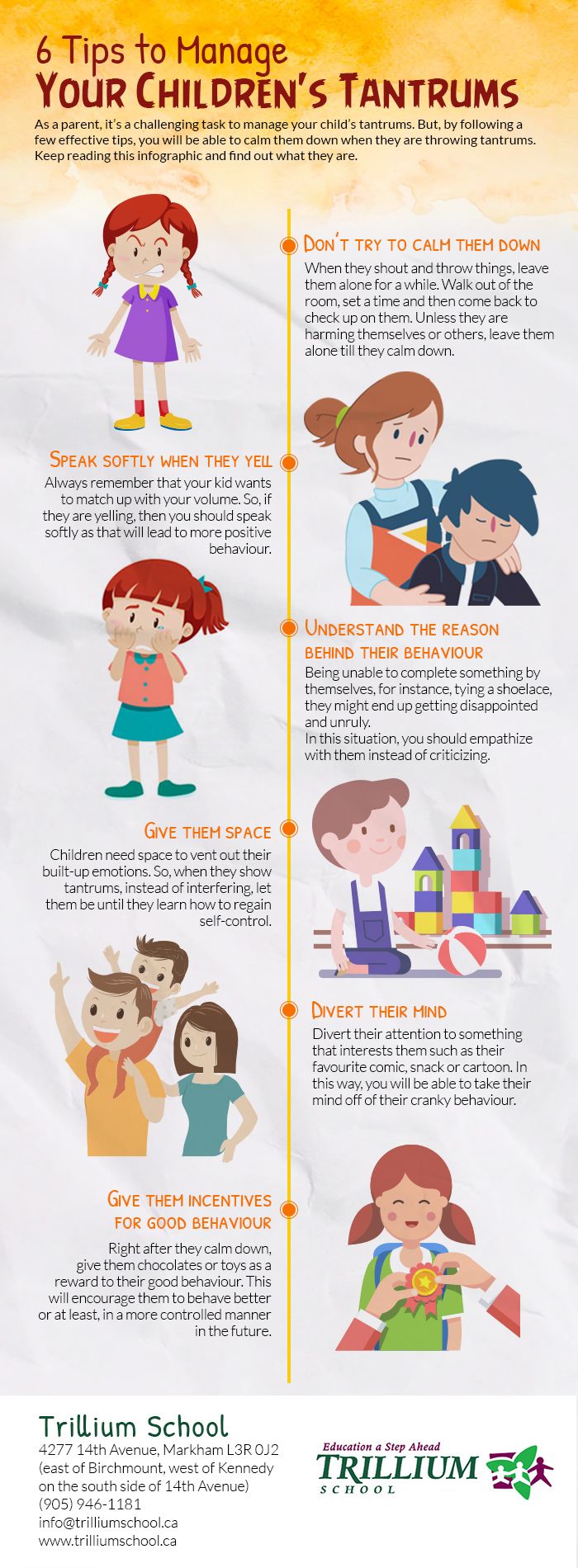
The transition from chaos to triumph begins with co-regulation, where the adult provides the calm that the child cannot yet generate. By remaining present and acknowledging the child’s feelings without validating the negative behavior, the adult acts as an external prefrontal cortex. This biological mirroring helps the child’s nervous system return to a state of equilibrium.
Offering limited choices is another powerful technique to restore a sense of agency to the child. Instead of an open-ended demand, providing two acceptable options allows the child to exercise autonomy within safe boundaries. This simple shift often preempts the need for a power struggle.
FAQ
How can I tell the difference between a typical tantrum and a sensory meltdown?
A typical tantrum is usually goal-directed and ceases once the child achieves their desire. A sensory meltdown is an involuntary neurological response to overload and continues until the child’s nervous system is regulated, regardless of whether they get what they want.
What is the most effective way to handle a meltdown in public?
Prioritize safety and co-regulation over immediate compliance. Move the child to a quieter space if possible, use a low and calm voice, and avoid over-talking, as a dysregulated brain cannot process complex verbal instructions.
At what age should I be concerned about persistent behavioral challenges?
While “terrible twos” are normal, you should seek a professional evaluation if behaviors are consistently aggressive, prevent the child from functioning in social settings, or if there is a significant lack of joint attention and communication milestones.