Anti-Bullying Education Project For Young Minds: A Guide
Anti-Bullying Education Project for Young Minds: A Guide
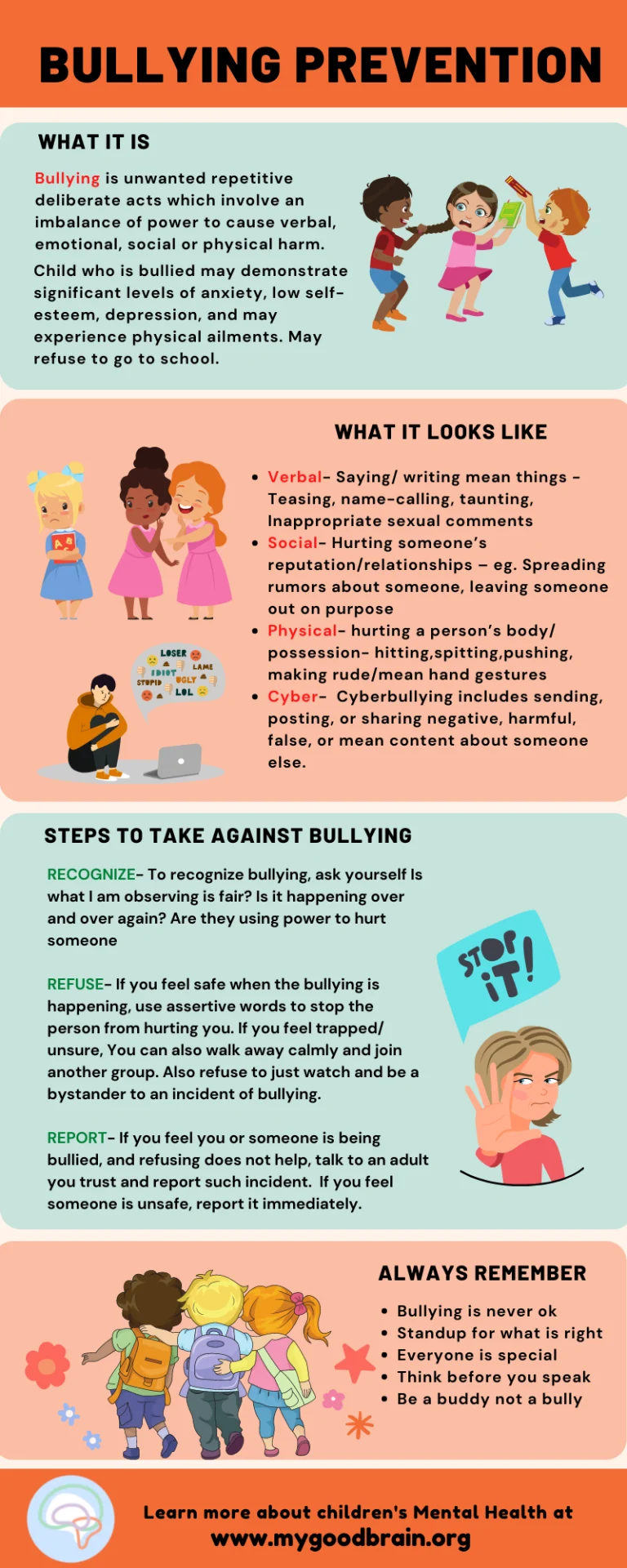
Bullying is a complex behavioral pattern characterized by an imbalance of power and repeated aggressive acts. From an ABA perspective, these behaviors are often maintained by social reinforcement or the avoidance of perceived threats. Addressing this requires a systemic shift in the school ecosystem to ensure safety for all learners.
Children with Autism Spectrum Disorder (ASD), particularly those requiring Level 2 or 3 support, often face higher vulnerability due to challenges in social communication. These individuals may struggle to interpret subtle social cues, making them targets for peer aggression. Implementing targeted socio-emotional coaching is essential to bridge these gaps.
A comprehensive prevention strategy must move beyond reactive measures toward a proactive framework. This involves conducting a Functional Behavioral Assessment (FBA) to identify the triggers and reinforcements driving bullying behavior. By understanding the “why,” educators can replace maladaptive actions with prosocial skills.
[GALERIA_VIDEOS]
Digital Safeguarding and Cyberbullying Prevention
Recognizing Online Harassment
The digital landscape introduces unique risks where social exclusion and hurtful messaging can occur instantaneously. Early recognition of behavioral shifts, such as sudden mood changes or academic decline, is critical for timely intervention. Parents must foster a trusting environment to ensure children feel safe reporting these incidents.
Building Digital Resilience
Equipping youth with digital resilience involves teaching them to navigate online spaces with confidence and emotional stability. This includes educating them on privacy settings and the importance of responsible online behavior. Encouraging empathy helps children understand the real-world impact of their virtual words.
Technical Boundaries and Monitoring
Implementing reliable parental control tools provides a necessary layer of protection against online threats. Establishing clear digital boundaries, including screen time limits, prevents excessive exposure to high-risk environments. Collaboration between home and school ensures a united front against harassment.
Holistic Empowerment and Cognitive Growth
Physical Safety and Confidence
Personal safety awareness and age-appropriate self-defence training are vital for developing a child’s self-worth. By investing in discipline and physical confidence, learners are less likely to be perceived as easy targets. These practical skills complement psychological support by providing a sense of agency.
Neuropsychological Insights through Narrative
Integrating storytelling into the curriculum can stimulate cognitive processes such as memory and problem-solving. Moral narratives and spiritual themes foster emotional intelligence, allowing students to internalize values of compassion and respect. This approach engages both intellectual and emotional faculties to promote holistic development.
Supporting Neurodiversity in the Classroom
Recognizing neurodiversity means adapting the educational environment to accommodate different processing styles. When the school ecosystem values diverse ways of thinking, the social stigma that often fuels bullying is diminished. This inclusive atmosphere reduces the isolation of marginalized students.
Evidence-Based Intervention Strategies
The Use of Social Scripts
For students who struggle with spontaneous social interaction, Social Scripts provide a concrete roadmap for navigating difficult encounters. These scripts offer pre-planned, rehearsed responses to deflect aggression or seek help effectively. This reduces anxiety and increases the likelihood of a positive outcome.
Peer-Mediated Intervention
Training a group of empathetic peers to act as social mentors can significantly reduce bullying rates. This peer-mediated intervention leverages the influence of social circles to promote inclusive behavior. It shifts the social reward system from the aggressor to the protector.
Socio-Emotional Coaching Frameworks
Coaching should focus on the development of executive functions, such as impulse control and emotional regulation. By teaching students how to identify their emotional triggers, educators can prevent escalations before they occur. This proactive coaching builds a foundation for lifelong mental health.
FAQ
What is the difference between a typical conflict and bullying?
Bullying is distinguished by a persistent imbalance of power, intent to harm, and repetition over time, whereas conflict is typically a situational disagreement between peers of equal social standing.
How can I help a child with ASD who is being bullied?
Focus on providing explicit social skills training and using Social Scripts to help them navigate interactions, while simultaneously working with the school to implement a support plan based on their specific Level of Support.
Are parental control apps enough to stop cyberbullying?
While technical tools are helpful for monitoring, they are not a complete solution; they must be paired with open communication and the development of emotional resilience in the child.