
{‘Title’: ‘5 Livros Infantis Que Falam Sobre Bullying E Resolução De Conflitos’}
5 Children’s Books for Addressing Bullying and Conflict Resolution
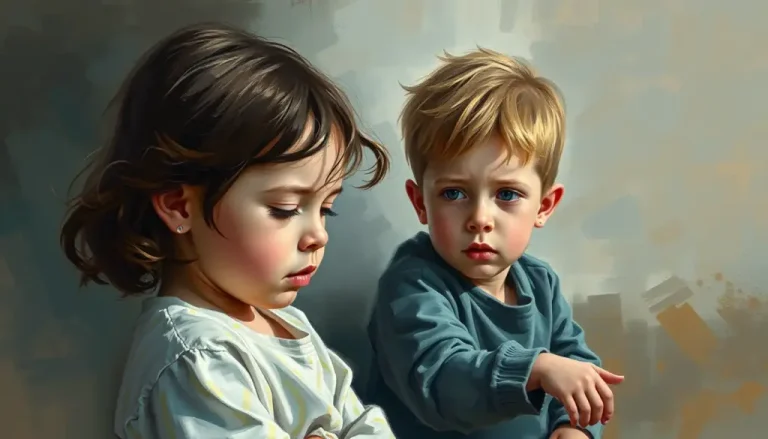
Systematic intimidation, commonly known as bullying, represents a severe disruption to a child’s psychological development and academic trajectory. When peer aggression becomes repetitive and unbalanced in power, it ceases to be a simple conflict and transforms into a traumatic experience. Early identification and intervention are critical to prevent long-term emotional scarring in the school environment.
Narrative identity plays a pivotal role in how children process social exclusion and prejudice. By engaging with fictional characters who face similar hardships, children can build empathy and develop a cognitive framework to navigate complex social dynamics. This process allows them to recognize their own experiences within a safe, externalized context.
Integrating literature into a comprehensive mental health strategy enables educators to initiate difficult conversations without triggering defensive responses. Using stories as a catalyst for dialogue helps children articulate feelings of isolation and empowers them to seek help. This approach transforms the reading experience into a tool for psychological resilience.
16 livros infantis que ajudam na alfabetização: veja como usar cada um!
Livros IMPERDÍVEIS para as crianças, os melhores 📚 que usamos com as nossas filhas
8 LIVROS INCRÍVEIS para EDUCAÇÃO INFANTIL | PNLD 2022 📚👩🏫
Top 5 melhores livros da literatura infantil
Evidence-Based Literary Tools for Social Integration
1. Flicts by Ziraldo: Addressing the Pain of Exclusion
This narrative follows a rare color that fails to find a place in a world of primary hues, serving as a powerful metaphor for neurodiversity. It highlights the profound loneliness that accompanies the feeling of not fitting into a predefined social mold. The story culminates in a realization of self-worth and unique utility.
To apply this clinically, educators should implement “Empathy Mapping.” After reading, students can map out the emotions Flicts felt during his search for acceptance and compare them to real-life instances of social isolation. This exercise helps children identify the internal state of marginalized peers.
2. Bridge to Terabithia by Katherine Paterson: The Protective Power of Friendship
The bond between Jess and Leslie illustrates how a supportive friendship acts as a psychological buffer against school-based aggression. The story emphasizes that having a single, trusted ally can significantly mitigate the impact of peer victimization. It showcases the importance of emotional safety nets in a hostile environment.
A concrete strategy here is peer-mediated intervention. By pairing vulnerable students with socially competent “buddies,” schools can replicate the protective dynamic seen in the book. This structured support system reduces the likelihood of targeted aggression by eliminating social isolation.
3. And If It Were You? by Sandra Saruê: The Role of the Educator
This book focuses on the dynamics of a classroom where students use derogatory nicknames to marginalize those they perceive as different. It highlights the critical turning point when a teacher intervenes with an effective pedagogical strategy to stop the cycle of abuse. The narrative emphasizes that adult supervision must be active, not passive.
From a behavioral perspective, this is the ideal time to introduce a Functional Assessment. Educators can analyze the “antecedent-behavior-consequence” chain of the bully’s actions to determine if the aggression is a bid for status or a reaction to internal distress, allowing for a targeted behavioral plan.
4. Bullying: Let’s Get Out of This? by Miriam Portela: Systemic Community Action
This work delves into the diverse motivations behind systematic intimidation, noting that victims are often targeted for being “too intelligent,” “too weak,” or coming from different socioeconomic backgrounds. It argues that the solution lies not just in individual resilience, but in the collective action of the entire community. The focus is on shifting the culture of the institution.
The actionable solution here is the modification of the school ecosystem. This involves creating a “Whole-School Approach” where students, parents, and staff co-create a code of conduct. By changing the environmental reinforcements, the school stops rewarding aggressive behavior with social status.
5. This is the Wolf by Alexandre Rampazo: Deconstructing Stereotypes
By challenging the traditional role of the “villain” in fairy tales, this book encourages children to look beyond labels and preconceived notions. It demonstrates how loneliness can be mistaken for malice and how a simple act of curiosity can break a cycle of prejudice. The story promotes the idea of questioning the “narrative” we are told about others.
To implement this, practitioners can use Social Scripts. These are pre-written dialogue guides that teach children how to initiate a conversation with a peer who is isolated or misunderstood. This provides the child with the exact linguistic tools needed to bridge social gaps.
Clinical Considerations for Neurodivergent Students
Children diagnosed with ASD (Autism Spectrum Disorder) may experience bullying at higher rates due to challenges in interpreting non-verbal social cues. Depending on their Levels of Support, these students may require more explicit instruction to identify when a peer’s behavior has crossed the line from teasing to systematic intimidation.
For these students, socio-emotional coaching is essential. This involves using the aforementioned books as visual aids to explicitly teach the difference between a “friend” and a “bully.” By breaking down social interactions into manageable components, we provide neurodivergent children with the agency to protect their mental health.
FAQ
How can I tell if a child is experiencing bullying or just a typical peer conflict?
The primary differentiators are frequency, intent, and power imbalance. While typical conflicts are occasional and balanced, bullying is repetitive, intentional, and involves a victim who feels unable to stop the aggression.
Are these books suitable for children who are the aggressors?
Yes, these narratives are highly effective for aggressors as they foster empathy by forcing the reader to inhabit the victim’s perspective. This cognitive shift is a necessary precursor to behavioral change.
What should I do if a child becomes distressed while reading these stories?
Allow the child to express their emotions and use the moment for a “debriefing” session. Validate their feelings and use the story as a bridge to discuss any real-life challenges they may be facing in a safe environment.