{‘Title’: ‘5 Livros Infantis Que Ensinarão Às Crianças A Lidar Com O Bullying De Forma Efetiva’}
5 Children’s Books that Effectively Teach Kids to Handle Bullying
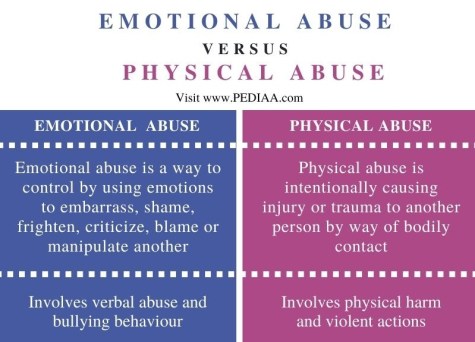
Bullying, defined clinically as systematic intimidation, often leaves deep psychological scars if not addressed through early intervention. The construction of a child’s identity is essentially a narrative process where they learn to navigate social hierarchies and interpersonal boundaries. By utilizing literature, we provide a safe mirror for children to analyze complex social dynamics without the immediate stress of a real-time conflict.
Bibliotherapy allows children to project their internal struggles onto fictional characters, facilitating a process of identification and empathy. This cognitive distance enables the child to evaluate oppressive behaviors and develop adaptive coping mechanisms. Consequently, stories become catalysts for building resilience and emotional intelligence in a controlled environment.
For children with Autism Spectrum Disorder (ASD), particularly those requiring Level 1 or Level 2 support, these narratives serve as essential tools for understanding non-literal social cues. Literature bridges the gap between abstract social expectations and concrete behavioral responses. This approach transforms a simple reading session into a structured socio-emotional coaching experience.
16 livros infantis que ajudam na alfabetização: veja como usar cada um!
Livros IMPERDÍVEIS para as crianças, os melhores 📚 que usamos com as nossas filhas
8 LIVROS INCRÍVEIS para EDUCAÇÃO INFANTIL | PNLD 2022 📚👩🏫
Top 5 melhores livros da literatura infantil
The Role of Narrative in Behavioral Intervention
From the perspective of Applied Behavior Analysis (ABA), stories act as a form of priming. They prepare the child for potential social triggers by providing a mental blueprint of how to react. When a child reads about a character overcoming exclusion, they are essentially practicing a cognitive rehearsal of a positive outcome.
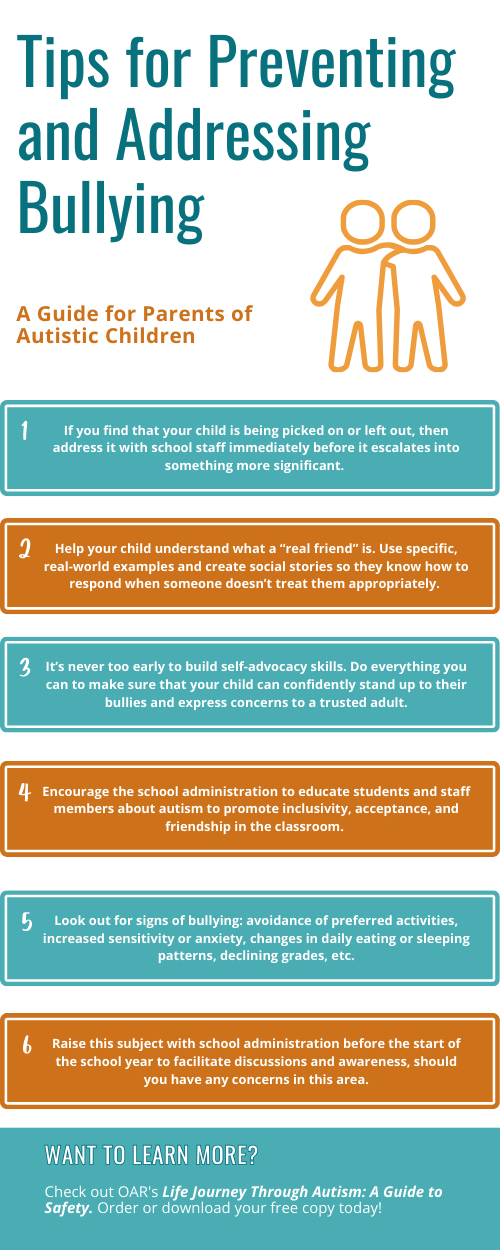
Integrating these stories into the school ecosystem ensures that the child is not isolated in their struggle. When educators and parents use the same literary references, they create a shared vocabulary for discussing distress. This consistency reduces the anxiety associated with reporting systematic intimidation to adults.
5 Recommended Books and Technical Application Strategies
1. Ernesto (Blandina Franco and José Carlos Lollo)
This work focuses on the nuances of exclusion and prejudice, illustrating how a character is marginalized by their peers. It is an excellent tool for discussing the systemic nature of social isolation. To maximize its utility, educators should implement Social Scripts, allowing children to role-play alternative, inclusive responses to the scenarios presented in the book.
2. Buraco (Blandina Franco and José Carlos Lollo)
This narrative explores the symbolic “void” and the transformative power of words, highlighting how verbal aggression can create an emotional abyss. It emphasizes the importance of naming feelings to find a way out of despair. Clinically, this can be paired with a Functional Assessment to identify the triggers that lead a child to feel “empty” or overwhelmed by peer conflict.
3. Tenho Monstros na Barriga (Marcelo)
By personifying emotions as “monsters,” this book helps children recognize and label internal physiological states. Identifying the “monster” of fear or sadness is the first step in emotional regulation. This is particularly useful for developing interoceptive awareness, helping the child recognize the physical signs of stress before a bullying episode escalates.
4. Pedro vira porco-espinho (Pedro)
This story addresses mood swings and the “prickly” nature of anger, which is often a secondary emotion masking vulnerability. It teaches children that emotional outbursts are often reactions to deeper stressors. Professionals can use this to conduct an ABC (Antecedent-Behavior-Consequence) analysis, helping the child understand what triggers their “porcupine” phase.
5. Akili Está Feliz (Kiusam de Oliveira and Rodrigo Andrade)
Focusing on identity, affectivity, and acceptance, this book promotes a positive self-concept. A strong sense of identity is one of the most potent protective factors against the psychological impact of peer harassment. This text is ideal for peer-mediated intervention, where a group of students discusses the value of neurodiversity and individual differences.
Implementing a Comprehensive Support Framework
To move beyond simple reading, the adult must facilitate a dialogue that connects the plot to the child’s lived experience. This involves asking open-ended questions that encourage the child to analyze the character’s motivations and the consequences of their actions. Such a method fosters critical thinking and reduces the likelihood of the child internalizing the bully’s narrative.
Furthermore, the environment must support these lessons through positive reinforcement. When a child applies a strategy learned from a book—such as using a “stop” script or seeking help—the behavior should be immediately reinforced. This ensures that the theoretical knowledge gained from literature is translated into a functional social skill.
FAQ
How can I tell if my child is experiencing systematic intimidation rather than normal peer conflict?
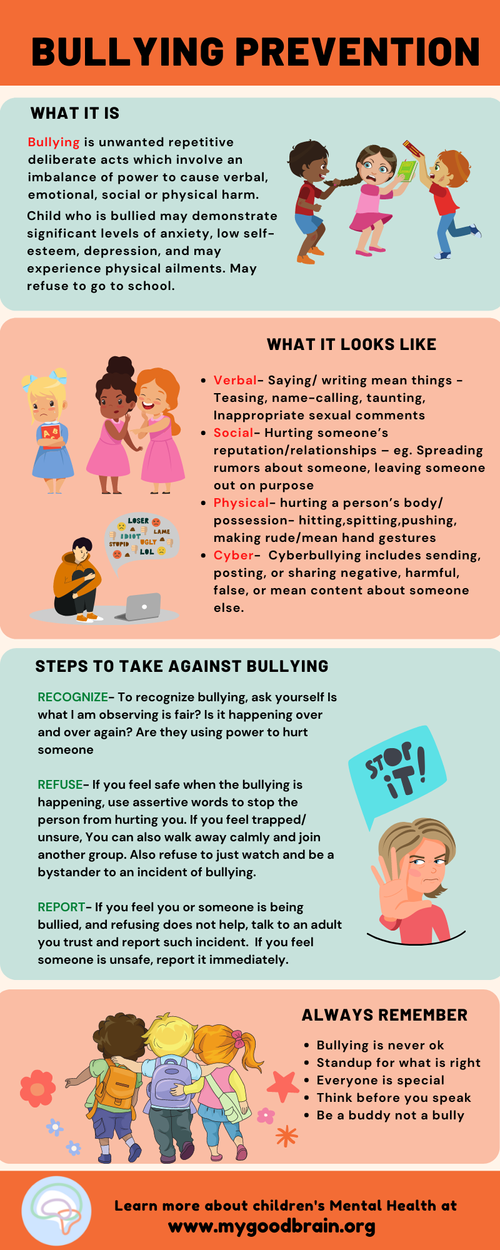
Systematic intimidation is characterized by a power imbalance, repetition over time, and the intent to cause harm. Unlike typical conflicts, which are usually situational and balanced, bullying is persistent and leaves the victim feeling powerless.
Are these books suitable for children with high support needs in ASD?
Yes, provided they are used alongside visual aids and concrete examples. For children with ASD, the adult should explicitly explain the social nuances and emotional states of the characters, as these may not be intuitively understood.
What is the best way to introduce these books to a child who is already traumatized?
Start with books that focus on emotional identification (like “Tenho Monstros na Barriga”) before moving to those that depict conflict. Ensure the child feels safe and validated, emphasizing that the characters’ experiences are a way to find solutions, not to relive the trauma.