Bystander Intervention Strategies For Students
Bystander Intervention Strategies for Students
As a Senior Expert in Educational Psychology and Applied Behavior Analysis (ABA), I am committed to providing actionable strategies for promoting a safe and supportive school ecosystem. In this article, we will explore bystander intervention strategies that can be employed by students to prevent bullying and promote socio-emotional well-being.
The Role of Bystanders
Research has shown that the majority of students (80%) have reported observing bullying as a bystander (Wu et al., 2016). A bystander is a student who witnesses a bullying situation but is not the target or the perpetrator. Bystanders can respond to bullying in several ways, including encouraging the bully by directly acting as “assistants” or indirectly acting as “reinforcers,” walking away from bullying situations acting as “outsiders,” or attempting to intervene to help the target by acting as “defenders.”

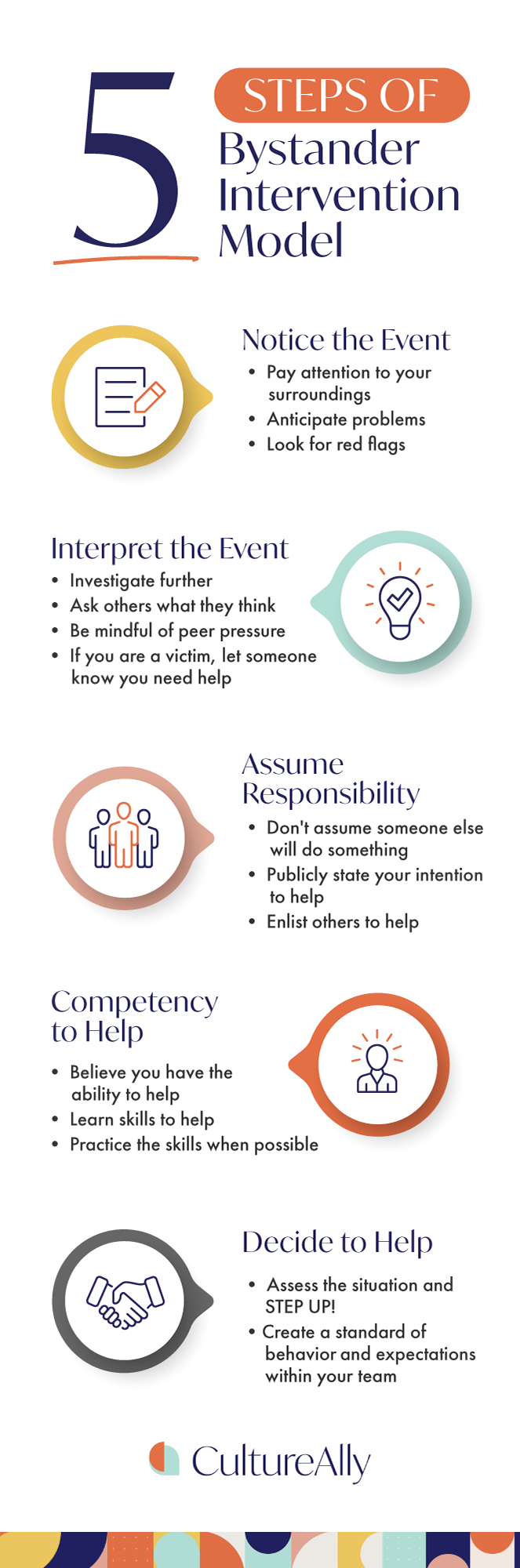
Bystander Intervention Model
The Bystander Intervention Model is a five-step model that includes Notice the Event, Interpret the Event as an Emergency, Accept Responsibility, Know How to Act, and Decision to Intervene (Peck et al., 2019). This model provides a framework for understanding the decision-making process of bystanders in bullying situations.
Strategies for Bystander Intervention
Here are some strategies that students can use to intervene as bystanders:
- Spatial Strategies: Use spatial strategies such as standing between the bully and the target or creating a distraction to interrupt the bullying behavior.
- Pretend to Know the Person: Pretend to know the person being bullied and engage them in conversation to divert attention away from the bully.
- Seek Help: Seek help from a teacher, counselor, or other authority figure if the situation is too intense or if you feel uncomfortable intervening alone.

Peer-Mediated Intervention
Peer-mediated intervention is a strategy that involves training students to intervene as bystanders in bullying situations. This approach has been shown to be effective in reducing bullying behavior and promoting socio-emotional well-being (Doumas & Midgett, 2021).
Socio-Emotional Coaching
Socio-emotional coaching is a strategy that involves teaching students skills such as empathy, self-awareness, and self-regulation to promote positive relationships and reduce bullying behavior. This approach has been shown to be effective in promoting socio-emotional well-being and reducing bullying behavior (Midgett & Doumas, 2019).

Conclusion
In conclusion, bystander intervention strategies are an effective way to promote a safe and supportive school ecosystem. By teaching students spatial strategies, pretend to know the person, seek help, peer-mediated intervention, and socio-emotional coaching, we can empower them to intervene as bystanders in bullying situations and promote positive relationships.