Restorative Justice Programs In Modern Schools
Restorative Justice Programs in Modern Schools
As educators and policymakers continue to seek innovative solutions to address the complex needs of students, restorative justice programs have emerged as a promising approach to promoting positive school climates and reducing disciplinary issues.
The Failure of Zero Tolerance
Traditional punitive approaches to discipline, such as zero-tolerance policies, have been widely criticized for their ineffectiveness in addressing the root causes of misbehavior and for disproportionately affecting marginalized student populations. Research has shown that these approaches can lead to increased suspensions, expulsions, and arrests, ultimately perpetuating the school-to-prison pipeline.

What is Restorative Justice?
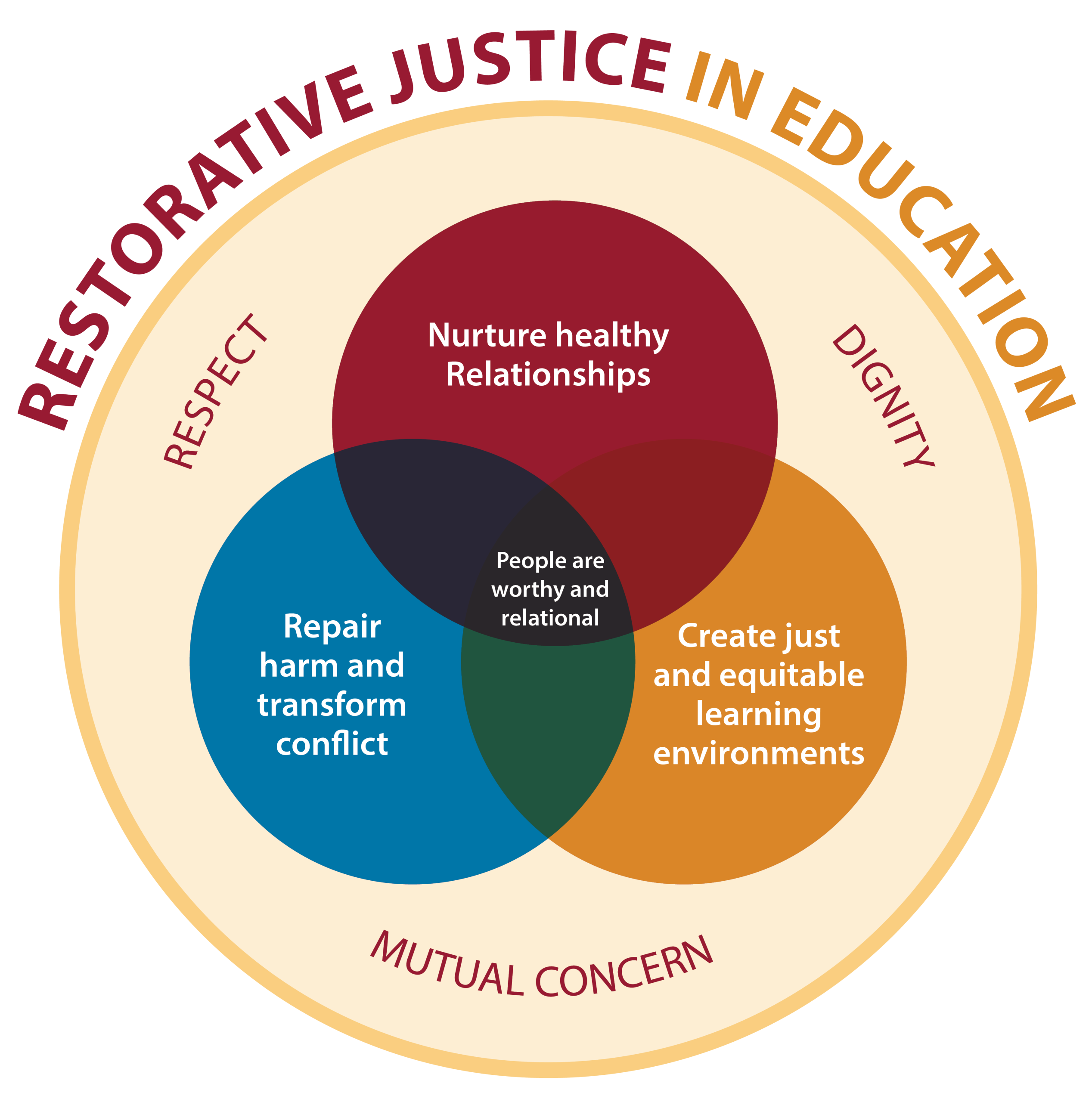
Restorative justice is a holistic approach to discipline that focuses on repairing harm, rebuilding relationships, and promoting accountability. This approach seeks to address the underlying causes of misbehavior and provides students with opportunities for reflection, communication, and problem-solving.

Key Principles of Restorative Justice
Restorative justice programs are guided by several key principles, including:
- Empathy: Understanding the perspectives and experiences of all parties involved.
- Responsibility: Encouraging students to take ownership of their actions and make amends for harm caused.
- Reparation: Providing opportunities for students to repair harm and rebuild relationships.

Implementing Restorative Justice in Schools
Implementing restorative justice programs in schools requires a commitment to creating a culture of care, respect, and empathy. This involves:
- Providing professional development for educators on restorative justice principles and practices.
- Establishing clear policies and procedures for implementing restorative justice.
- Creating safe spaces for students to engage in restorative circles and conferences.
Evaluation and Research
Research has shown that restorative justice programs can lead to significant reductions in suspensions, expulsions, and arrests. Additionally, these programs have been found to improve student behavior, academic achievement, and overall school climate.
Conclusion
Restorative justice programs offer a promising approach to promoting positive school climates and reducing disciplinary issues. By focusing on repairing harm, rebuilding relationships, and promoting accountability, these programs can help create safer, more supportive learning environments for all students.