
How To Create A Safe Space For Children Who Have Been Bullied
Creating a Safe Space for Children Who Have Been Bullied: A Clinical and Educational Framework
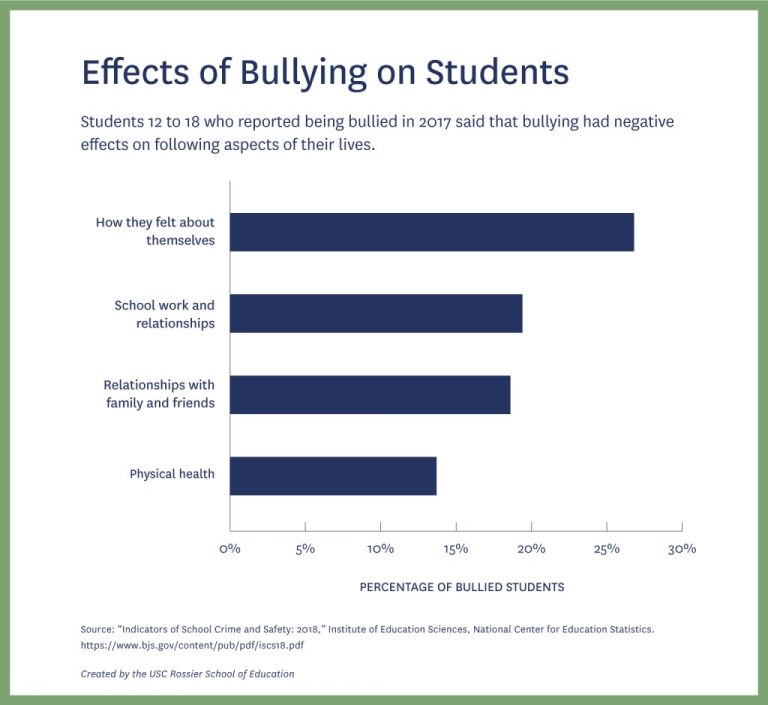
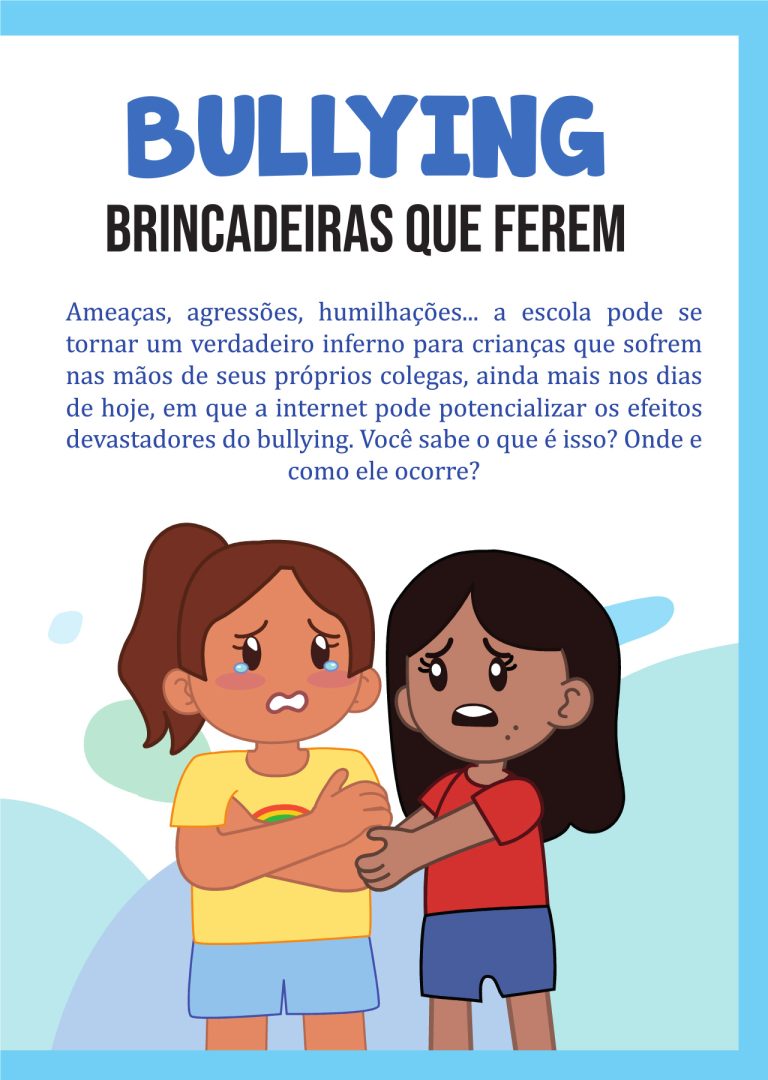
Peer victimization manifests as a systemic failure in the social environment, often leading to profound psychological distress and developmental regression. When a child is targeted, the immediate priority is the establishment of a psychological sanctuary where they feel physically and emotionally secure. This process requires a multidisciplinary approach that integrates behavioral science with empathetic support systems.
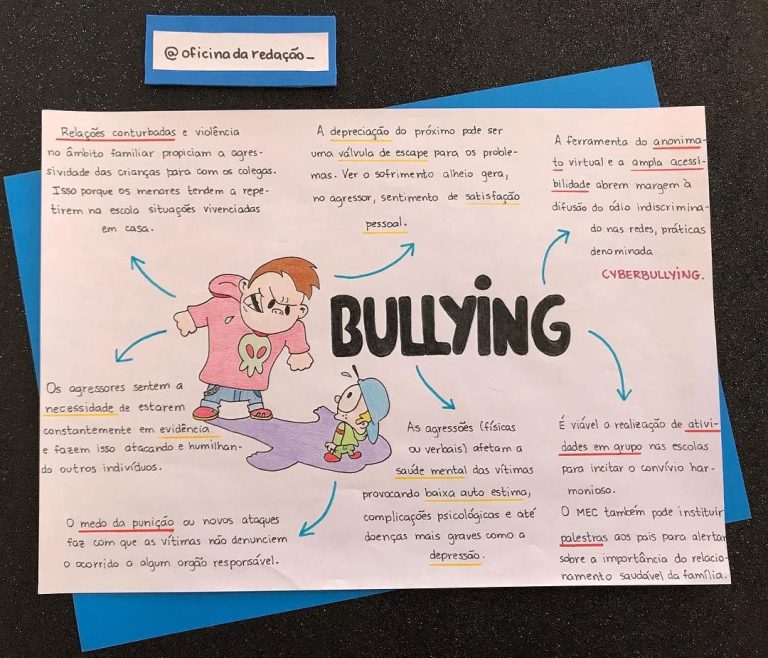
Peer aggression is categorized into four primary modalities: physical, verbal, social/relational, and cyber. Relational aggression is particularly insidious, as it targets a child’s social standing through malicious gossip or intentional exclusion. These dynamics often create a cyclical pattern where victims may eventually adopt aggressive behaviors themselves to survive their environment.
The impact of these interactions is exacerbated by the modern digital landscape, where harassment is no longer confined to school hours. Because social networking sites are accessible 24/7, the target often feels there is no escape, making the trauma more pervasive and viral than in previous generations. This constant connectivity necessitates a shift in how we define and protect a child’s personal boundaries.
[GALERIA_VIDEOS]
Implementing Evidence-Based Interventions for Recovery
To transition a child from a state of hyper-vigilance to one of security, educators must employ socio-emotional coaching. This involves teaching the child to recognize the signs of aggression and providing them with the cognitive tools to respond assertively rather than reactively. By fostering self-confidence and encouraging the pursuit of personal interests, adults can help the child rebuild a fragmented sense of self.
A critical technical tool in this process is the Functional Behavioral Assessment (FBA). By analyzing the antecedents, behaviors, and consequences of the conflict, specialists can determine the “function” of the aggression—whether it is for attention, power, or avoidance. This data allows for the creation of a targeted intervention plan that addresses the root cause rather than just the symptoms.
Furthermore, the use of Social Scripts provides children with a concrete linguistic roadmap for navigating difficult interactions. These scripts are pre-rehearsed phrases that allow a child to tell a peer to stop and walk away to seek adult assistance. This reduces the cognitive load during high-stress moments, allowing the child to act with agency and confidence.
Supporting Neurodiversity and Specialized Needs
Children with ASD (Autism Spectrum Disorder) are often disproportionately targeted due to challenges in interpreting non-verbal social cues. Depending on their Levels of Support, these students may require more intensive, individualized interventions to navigate the complexities of the school ecosystem. For these children, a safe space is not just an emotional concept but a structural necessity.
Implementing a peer-mediated intervention can be highly effective for neurodivergent students. By training a group of empathetic peers to act as social bridges, the school creates a natural support network that buffers the child against isolation. This approach shifts the focus from “fixing” the child to modifying the social environment to be more inclusive.
Mitigating the Impact of the Digital Ecosystem
Addressing online harassment requires a shift from mere monitoring to active digital literacy. Adults must help children understand that while the medium has changed, the underlying behavior is a familiar expression of social power dynamics. Creating a safe space in the digital realm involves establishing clear boundaries and providing a secure channel for reporting incidents without fear of retaliation.
The goal is to break the 24/7 cycle of victimization by creating “digital-free” sanctuaries at home and school. By encouraging children to engage in offline activities that build genuine connection, we can reduce the perceived importance of social media validation. This helps the child decouple their self-worth from the volatile nature of online peer approval.
Community-Based Prevention and Advocacy
True safety is achieved when the entire community commits to a culture of kindness and early awareness. Initiatives such as public anti-bullying petitions serve as symbolic commitments that children, parents, and local businesses all play a role in protecting the vulnerable. This collective advocacy transforms the environment from one of passive observation to active protection.
Modeling respect and empathy in daily interactions is the most powerful preventative measure available to adults. When children see the community valuing kindness over social dominance, they are more likely to internalize these values. This systemic shift ensures that the safe space is not a temporary refuge, but a permanent characteristic of the child’s world.
FAQ
What is the difference between relational bullying and verbal bullying?
Verbal bullying involves direct spoken attacks, such as name-calling or insults. Relational bullying is more indirect and targets the victim’s social status, utilizing methods like spreading rumors or intentional social exclusion to isolate the individual.
How does a Functional Behavioral Assessment (FBA) help a victim?
An FBA helps professionals understand why the bullying is happening by identifying the triggers and rewards for the bully. This allows educators to implement a plan that removes the “reward” for the aggressive behavior while providing the victim with specific safety strategies.
Why are children with ASD more vulnerable to peer aggression?
Children with ASD may struggle with social communication and the interpretation of subtle social cues, which can make them targets for those seeking to exploit social vulnerabilities. Their needs vary based on their DSM-5 Levels of Support, requiring tailored interventions to ensure their safety.