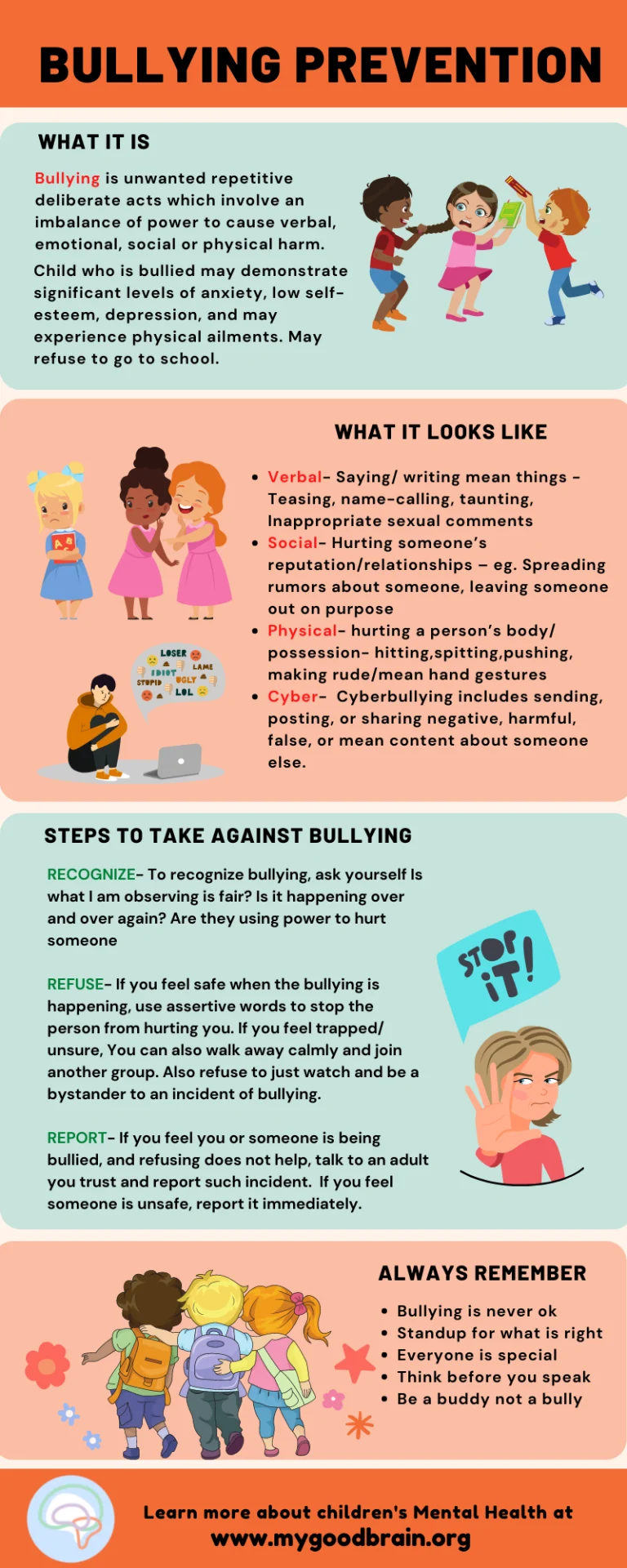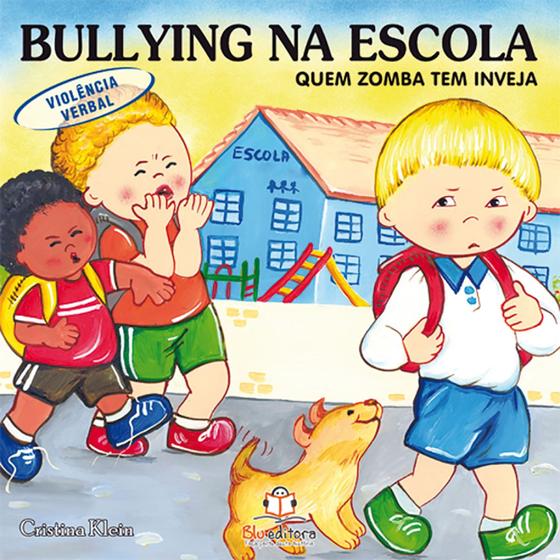
Create A Safe School Environment With This Anti-Bullying Poster
Create a Safe School Environment with This Anti-Bullying Poster
Bullying manifests as a systemic failure in the school ecosystem, often leaving victims silenced by fear. This psychological distress directly impairs cognitive functioning and academic performance. Establishing a visible commitment to safety is the first step in disrupting this cycle.
Visual prompts serve as critical environmental cues that reinforce positive behavioral norms. When students see consistent messaging, it reduces the ambiguity of social expectations. This creates a predictable atmosphere where kindness is the expected standard.
For students with neurodivergent profiles, such as those with Autism Spectrum Disorder (ASD), visual aids are indispensable. These tools translate abstract social concepts into concrete reminders. By utilizing structured layouts, educators can provide a constant reference for appropriate interaction.
[GALERIA_VIDEOS]
Leveraging Visual Design for Behavioral Change
Customizing High-Impact Templates
Utilizing professional design tools like Canva allows educators to create tailored messages that resonate with their specific student demographic. The ability to integrate real-life photography or specific textures can increase the emotional salience of the message. This ensures the campaign is not merely background noise but a catalyst for reflection.
A strategic approach involves deploying different types of posters based on the target objective. For instance, strategy-focused designs can outline specific steps for bystanders to take, effectively implementing a peer-mediated intervention. This shifts the power dynamic from the aggressor to the supportive community.
Addressing Specialized Behavioral Challenges
Mitigating Cyberbullying through Digital Literacy
Digital aggression requires a distinct set of visual reminders focused on online safety and digital responsibility. Templates that highlight the permanence of digital footprints encourage students to pause before posting. This form of socio-emotional coaching helps adolescents develop impulse control in virtual spaces.
Supporting Neurodiversity and ASD Levels of Support
Students requiring different Levels of Support under the DSM-5 framework benefit from posters that incorporate social scripts. These scripts provide a literal “what to say” guide when facing conflict or witnessing exclusion. By visualizing these responses, educators reduce the cognitive load on students during high-stress social encounters.
From Visuals to Action: The Clinical Framework
A poster is a prompt, but the intervention must be rooted in a Functional Assessment. Educators should analyze the antecedents and consequences of bullying behavior to determine why it occurs. Once the function is identified, the visual campaign can be aligned with the specific behavioral goals of the student body.
To ensure sustainability, schools should implement a system of positive reinforcement for those who adhere to the values displayed on the posters. Recognizing “upstander” behavior reinforces the desired social norm. This transforms the school environment from a place of surveillance to a culture of mutual care.
Finally, the integration of these tools should be a collaborative effort involving students in the design process. When learners help create the messaging, they develop a sense of ownership over the school’s safety. This participatory approach ensures the campaign is authentic and widely accepted.
By combining environmental modification with clinical behavioral strategies, schools can move beyond superficial awareness. The goal is to create a space where every student, regardless of their neurological profile, feels psychologically secure. This holistic approach is the cornerstone of modern educational psychology.
FAQ
How do anti-bullying posters actually change behavior?
They act as visual discriminative stimuli, signaling to students that certain behaviors are prohibited and others are rewarded. When paired with consistent adult reinforcement, these visuals help internalize social norms.
Which templates are most effective for middle school students?
Templates that focus on cyberbullying awareness and digital responsibility are typically most effective for this age group, as their social interactions have shifted significantly toward digital platforms.
How can I adapt these visuals for students with high support needs in ASD?
Simplify the text, use high-contrast visuals, and incorporate direct social scripts that provide clear, step-by-step instructions on how to seek help or respond to a peer.