Trauma-Informed Classroom Management For Difficult Students

Understanding Trauma-Informed Classroom Management for Difficult Students
As educators, we have a unique opportunity to create an environment that supports the emotional and social development of our students. For some students, this support is especially important as they may have experienced adversity or trauma in their lives.
The Impact of Trauma on Learning
High doses of adversity can alter the structure and function of children’s developing brains, immune systems, hormonal systems, and even DNA. This response, known as toxic stress, can lead to long-term harm if not addressed properly.
Trauma-Informed Practices Backed by Science
- Social Emotional Learning: Providing students with tools to understand and manage their emotions can help them respond effectively, especially in high-stress situations.
- Restorative Justice: Suspending a student may not be beneficial if they are experiencing high doses of adversity at home. Instead, creating time and space for self-regulation can help reduce cortisol and adrenaline levels.
- Meditation: Meditation has been shown to regulate the part of the brain associated with recovery post-stress and reduce cortisol levels.
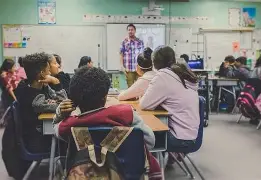
Getting Started with Trauma-Informed Practices
Being trauma-informed means adopting a mindset that acknowledges the varying life experiences of students, some of which may be traumatic. By understanding where behavior comes from, we can respond more effectively.

The Role of Human Relationships
Human relationships and trust can act as a powerful antidote to stress. Schools are ideal places to produce healing relationships that can help students recover from challenges.

Building a Trauma-Informed Classroom
To create a trauma-informed classroom, we must focus on building the foundational skills of self-regulation, executive function, and relationship skills. We must also consider the environment and its impact on students’ stress levels.

The Importance of Self-Regulation
When students are fearful, anxious, or distracted by past experiences, their brains cannot function optimally for learning. Therefore, it’s essential to give them tools to regulate their emotions and recover from challenges.
Conclusion
By adopting a trauma-informed approach, we can create classrooms that are healing spaces for all students. This approach focuses on understanding the root causes of challenging behavior, building relationships, and providing tools for self-regulation.