
How To Foster Resilience In Children Facing Social Challenges
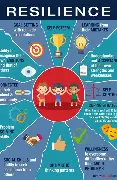
Understanding and Fostering Resilience in Children Facing Social Challenges
Life can be challenging for children, and they will face situations that may seem overwhelming. Building resilience is essential to help them cope with these challenges effectively.
What is Resilience?
Resilience is the ability to adapt to difficult experiences and bounce back from adversity. It’s about developing inner strength to deal with stressful situations, learn from them, and grow as a result.
Recognizing Emotions: The Key to Resilience
To develop resilience, children need to understand their emotions. By learning to recognize, label, and express their feelings, they can manage them better and build self-awareness.

Teaching Empathy: Building Social Awareness
Empathy is crucial in helping children develop resilience. By understanding the feelings of others, they can learn to respond with compassion and build strong relationships.
Encouraging Self-Management: Controlling Impulses and Regulating Emotions
Self-management is another important skill in building resilience. Children can learn to control their impulses, regulate their emotions, and develop coping strategies to deal with stress effectively.

Providing Safe Opportunities for Social Interaction
Regular playdates, group activities, and safe opportunities for social interaction are essential in helping children practice social cues such as sharing, turn-taking, and expressing themselves effectively.

Modeling Resilience: The Role of Adults
Adults play a crucial role in fostering resilience. By modeling calm responses to stress, we can help children learn how to self-soothe and manage their emotions effectively.
Conclusion
Building resilience in children is a process that requires patience, understanding, and practice. By teaching them emotional literacy, empathy, self-management, and providing safe opportunities for social interaction, we can help them develop the skills they need to cope with life’s challenges.