The Bystander Effect In Digital Spaces: How To Intervene
The Bystander Effect in Digital Spaces: How to Intervene
Understanding the Bystander Effect in Digital Spaces
Have you ever wondered why people often don’t intervene when someone is being bullied or cyberbullied, even if they are surrounded by others? This phenomenon is known as the bystander effect.
In physical spaces, such as crowded city streets or public parks, this phenomenon has been extensively studied. However, with the rise of digital communication, understanding and addressing the bystander effect in online environments is crucial.
The Psychology Behind the Bystander Effect
In essence, the bystander effect arises from a sense of diffusion of responsibility. When people are in a group, they often assume that someone else will intervene, so they don’t feel personally responsible for taking action.
This can be particularly problematic in digital spaces, where anonymity and distance can make it easier for people to ignore the suffering of others.
The Impact of the Bystander Effect on Cyberbullying
Research has shown that when cyberbullying occurs in public digital spaces, such as social media platforms or online forums, bystanders often fail to intervene. This can make victims feel isolated and helpless.
However, it’s important to remember that every action (or lack thereof) has consequences. When we don’t intervene in situations of bullying or cyberbullying, we contribute to a culture that normalizes such behavior.
Steps to Intervene in Digital Spaces
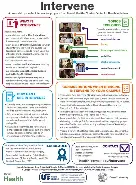
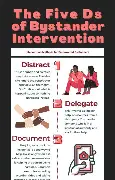
- Educate Yourself: Learn about the signs of bullying and cyberbullying, and familiarize yourself with the policies of online platforms you use.
- Speak Up: If you witness bullying or cyberbullying, don’t be a bystander. Report the behavior to the platform administrators or contact authorities if necessary.
- Support the Victim: Reach out to the person being bullied or cyberbullied and let them know they are not alone. Offer support, empathy, and encouragement.
Conclusion: Breaking the Cycle of Bystander Apathy
Bystanding is a learned behavior, and we can unlearn it. When we choose to intervene in situations of bullying or cyberbullying, we create a culture that promotes empathy, understanding, and respect.
Remember, every action matters. By standing up for others, we contribute to a safer, kinder digital world for all.