Teaching Emotional Literacy Through Interactive Storytelling
Teaching Emotional Literacy Through Interactive Storytelling: A Powerful Approach for Parents, Educators and Young People
In today’s world, emotional intelligence has become more essential than ever. As parents, educators, and young people face the challenges of daily life, understanding and managing emotions is a critical skill. One powerful approach to fostering emotional intelligence is through interactive storytelling.
The Power of Storytelling
Stories have a unique ability to engage our emotions and help us make sense of the world. By creating characters that children can relate to, stories can provide opportunities for young people to explore their own feelings and develop empathy towards others.
Benji’s Story: A Case Study
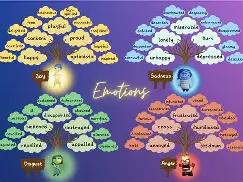
In the video “Social Emotional Learning For Kids: Benji, the Bad Day, and Me | Vooks Storytime,” we see a young boy named Benji who has had a bad day at preschool. His family provides him with emotional support by creating a safe space for him to express his feelings. By watching this story, children can learn about emotional literacy in a safe and engaging way.
Teaching Emotional Intelligence Through Storytelling: A Practical Guide
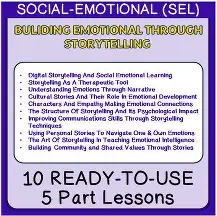
In the podcast “The Power of Emotional Intelligence,” we learn about practical tools for teaching emotional intelligence through storytelling. By using stories, children can learn to name, calm and understand their emotions. This approach is simple, powerful, and surprisingly fun.
Empowering Children with Emotional Clarity
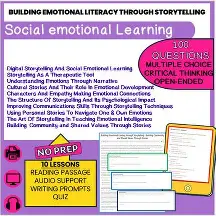
By providing children with emotional clarity, we empower them to navigate everyday challenges and build resilience. Through storytelling, children can develop empathy, self-awareness, and coping skills that will serve them well throughout their lives.
Guiding Emotional Growth: Even When We’re Still Figuring it Out Ourselves

As parents and educators, we may still be learning how to guide emotional growth ourselves. However, by using stories, we can provide children with the tools they need to develop emotional intelligence. By fostering empathy, self-awareness, and coping skills in our children, we are creating a brighter future for all.
Conclusion
In conclusion, teaching emotional literacy through interactive storytelling is a powerful approach that benefits parents, educators, and young people alike. By using stories to explore emotions, we can provide children with the tools they need to navigate daily challenges and build resilience. Let us continue to empower our children with emotional clarity and create a brighter future for all.