Role-Playing Activities For Kids To Practice Assertiveness
Role-Playing Activities for Kids: Practicing Assertiveness
Understanding Conflicts and Communication Styles
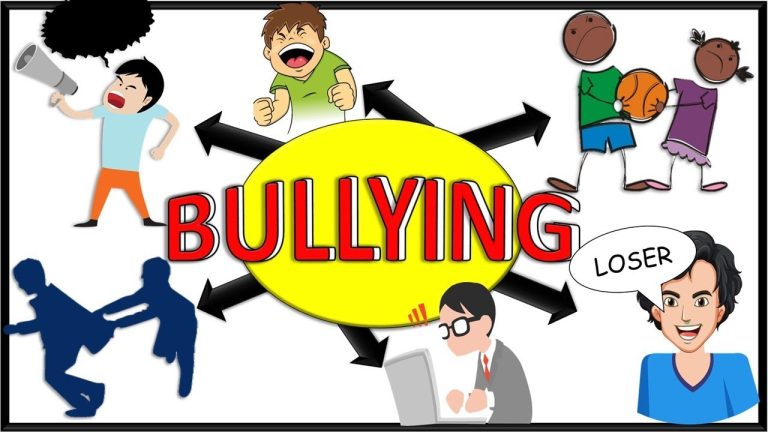
Conflicts are a natural part of our lives, and they often arise when people with different interests or ways of thinking don’t agree. It is essential to understand that conflicts are not fights where we shout or say mean things. Instead, we should learn from them and resolve them in a healthy way.
- Aggressive Communication: This is when we communicate disrespectfully by shouting or talking back. It doesn’t create many opportunities to talk and can cause more conflicts, hurt feelings, and damage relationships.
- Passive Communication (Avoidant): This happens when we don’t say what we think or give our opinions due to fear of confrontation. Passive communication can lead to passive aggression and resentment.
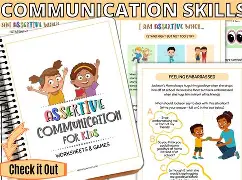
- Assertive Communication: Assertive people speak up for themselves in a calm way, express their opinions, and stand up for their rights without hurting others’ feelings or being aggressive.
Role-Playing Activities for Practicing Assertiveness
Role-playing activities are an effective way to teach kids the art of assertive communication. Here are some examples:
- Scenario 1: Sharing Toys
- Child A has a favorite toy and doesn’t want to share it with Child B.
- Child A practices saying, “I would like to play with this toy right now. Can we find another toy for you to play with while I finish playing?”
- Scenario 2: Making Decisions
- Two friends can’t agree on which movie to watch.
- One child practices saying, “I would like us to watch this movie because I really enjoy it. Can we find a compromise and watch another movie that you also like?”
Benefits of Role-Playing Activities
By participating in role-playing activities, kids learn how to express their feelings and opinions assertively while still being respectful of others. They also develop problem-solving skills and learn to negotiate effectively.
Conclusion
Teaching kids the art of assertive communication is essential for their personal development. Role-playing activities provide a safe and interactive way to practice this crucial skill. By learning assertiveness, children can build positive relationships, make better decisions, and handle conflicts effectively.
Additional Resources
- Video: Conflict Resolution for Children 🤝 Assertive 😡 Aggressive 😞 Passive 😒 Passive-Aggressive
- Video: Communicate Assertively
This video explains the four communication styles and offers tips on how to communicate assertively.
In this video, children learn about the three types of communication (passive, aggressive, and assertive) and practice assertive communication in various situations.