Graphic Novels That Help Kids Understand Empathy And Grief
Graphic Novels that Help Kids Understand Empathy and Grief
Introduction
In our digital age, graphic novels serve as powerful tools for teaching children about empathy and grief in a safe and engaging way. This article presents five recommended graphic novels that help kids understand these emotional concepts while fostering critical thinking skills.
Recommended Graphic Novels
-
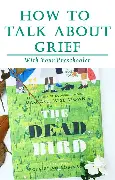
Benji, the Bad Day by Deborah Underwood and Claudia Rueda This graphic novel beautifully explores the feelings of frustration and sadness that children may experience when they have a bad day. The story is about Benji, a young boy who has a difficult day at preschool and retreats to his special box for comfort. Parents and educators can use this book to help kids understand their own emotions and learn strategies for coping with tough days.
-
Lost in the Clouds by Tom Tindisbury Lost in the Clouds is a gentle story about a young boy named Billy who struggles to cope with the loss of his mother. The book helps children understand death and grief by imagining that the deceased loved one has ascended to the clouds. This graphic novel provides an opportunity for open discussions about loss and offers comforting ways for kids to remember their departed family members.
Additional Recommended Graphic Novels
-
El Deafo by Cece Bell El Deafo is an autobiographical graphic novel about a young girl who loses her hearing and must wear a bulky Phonic Ear. The story teaches kids empathy, resilience, and self-acceptance as the protagonist navigates the challenges of growing up with a disability.
-
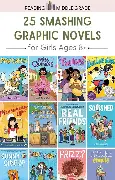
The Arrival by Shaun Tan The Arrival is a wordless graphic novel that follows the journey of a man who immigrates to a new country. This book allows children to explore empathy and understanding across cultures while encouraging critical thinking about immigration, identity, and belonging.
Conclusion
Graphic novels offer a unique way for children to explore complex emotions like empathy and grief in a safe and engaging environment. By incorporating these books into their reading lists, parents, educators, and young people can foster emotional intelligence, critical thinking skills, and a deeper understanding of the world around them.