Anti-Bullying Lesson Plans For Elementary School
Empowering Our Children: Anti-Bullying Lesson Plans for Elementary School
Introduction
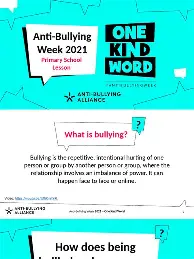
Bullying is a pervasive issue that affects children and young people alike. As educators, parents, and community members, it’s essential to equip our youngest learners with the knowledge and skills they need to recognize, respond to, and prevent bullying behaviors. In this article, we will explore effective anti-bullying lesson plans tailored for elementary school students.
The Power of Storytelling: A Bullying Lesson Plan
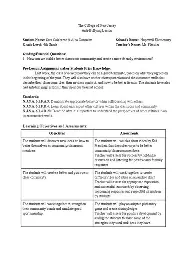
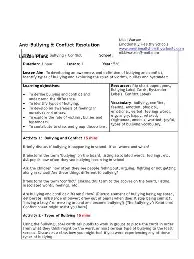
One engaging approach is to leverage the power of storytelling. As demonstrated in Samantha Voet’s fourth-grade lesson plan, a compelling narrative can help students empathize with the experiences of others and understand the impact of words and actions. By reading stories like “The Torn Heart,” teachers can introduce conversations about bullying, put-downs, and the importance of positive reinforcement (put-ups).
A Comprehensive Approach: Curriculum for Elementary, Middle, and High Schools
Keith Deltano’s video curriculum offers a comprehensive approach to addressing bullying and other character education topics. By using humor and engaging students directly, he encourages empathy, understanding, and active participation in creating a positive school environment. For elementary school students, his lessons emphasize the importance of respecting others, avoiding judgment based on appearance, and seeking help when needed.
Empowering Students: Role-Playing Activities
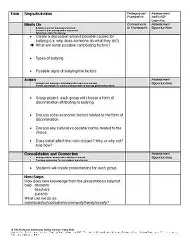
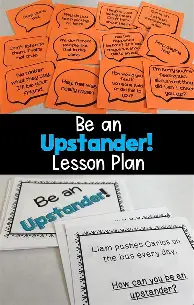
Another effective strategy is role-playing. By putting students in simulated situations, they can practice responding to bullying behaviors and learn valuable conflict resolution skills. Role-plays can also help students understand the perspective of the bullied and the bystander, encouraging empathy and active allyship.
Fostering Empathy: Circle Time Activities
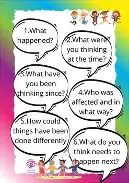
Circle time activities are another valuable tool for addressing bullying. In these sessions, students can share their feelings and experiences, fostering empathy and understanding among peers. Teachers can guide discussions around positive communication, kindness, and the consequences of bullying behaviors.
Creating Safe Spaces: Peer Mentoring Programs
Peer mentoring programs can empower students to take an active role in creating a positive school climate. By pairing older students with younger ones, these programs provide opportunities for role modeling, empathy building, and conflict resolution skills. Additionally, they offer a safe space for students who may be experiencing bullying to seek support and guidance.
Conclusion
By implementing anti-bullying lesson plans, educators can empower elementary school students to recognize, respond to, and prevent bullying behaviors. From storytelling and role-playing activities to circle time discussions and peer mentoring programs, there are numerous strategies available to create a supportive and inclusive learning environment. By prioritizing empathy, respect, and active allyship, we can help our youngest learners navigate the challenges of childhood and grow into compassionate, resilient adults.