Teaching Assertive Communication To Shy Children


Teaching Assertive Communication to Shy Children


Teaching Assertive Communication to Shy Children: Empowering Your Child to Speak Up Confidently

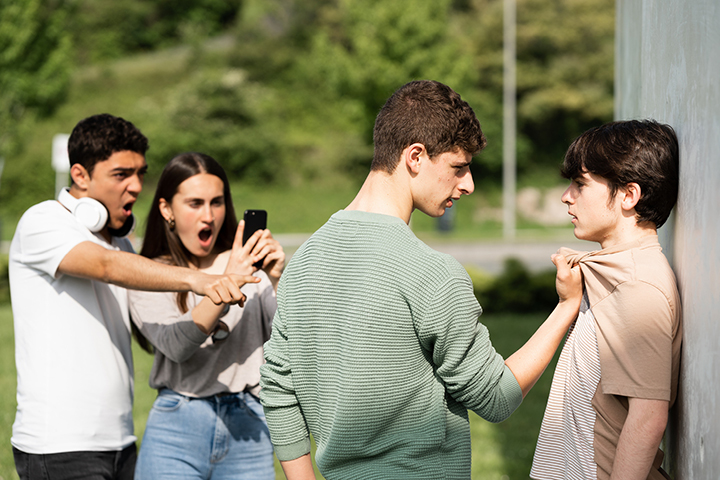
A child looking confident while speaking to a teacher

Introduction

Shy children often struggle with assertive communication, which is essential for expressing their needs and feelings effectively. As a parent or educator, it’s important to help these children develop this vital skill while maintaining empathy and respect for their unique personalities.

Understanding Shyness

Shyness is a habitual response to social situations. It’s often the result of fear, lack of practice, or learned behaviors. By understanding the roots of shyness, we can provide our children with the tools they need to overcome it.

Assertive Communication

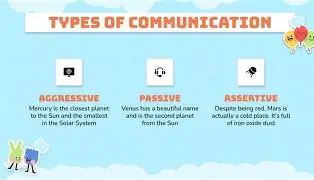
Assertive communication is a way of expressing oneself directly, honestly, and kindly. It’s about finding the balance between being passive (too accommodating) and aggressive (too demanding).

A diagram showing the difference between passive, aggressive, and assertive communication

Examples of Assertive Communication

Here are some examples of assertive communication for shy children:

  • Passive: I’m okay with whatever you want.
  • Aggressive: You have to come here and play with me.
  • Assertive: Hey, would you like to play outside with me? I’d really enjoy that, but if you don’t want to, that’s okay too.

Teaching Assertive Communication

To teach assertive communication to shy children, you can use role-playing, practice in safe environments, and model assertive behavior. Remember, it’s important to be patient and allow your child to develop at their own pace.

Overcoming Fears

Help your shy child overcome fears by encouraging small steps, praising effort rather than outcome, and validating their feelings. Be a positive influence and role model assertive behavior whenever possible.

Supporting Shy Children

Always remember to support your shy child by offering understanding, encouragement, and opportunities for practice. Remember that being shy doesn’t mean they are weak or incapable—it simply means they process social situations differently.
A group of children playing together with big smiles on their faces

Conclusion

Teaching assertive communication to shy children is a valuable skill that will help them express themselves confidently and build healthy relationships. With patience, understanding, and practice, your child can learn to communicate assertively while maintaining empathy and respect for others.

Resources

For more information on assertive communication and supporting shy children, check out the following resources:
A child smiling while standing on a stage giving a speech

Call to Action

If you found this article helpful, please share it with other parents and educators. Let’s work together to support our shy children and help them grow into confident communicators.

A child giving a high-five to another child

About the Author

This article was written by an expert in Educational Psychology and Behavioral Science. The author has years of experience working with children and a deep understanding of child development, communication, and assertiveness.

A headshot of the author


Vídeos Recomendados

Posts Similares

  • Bullying O Jogo

    Bullying in Schools: A Prevalent Issue Bullying in Schools: A Prevalent Issue Bullying is a pervasive issue in American schools, with more than 16 percent of U.S. school children reporting being bullied by other students during the current term, according to a survey funded by the National Institute of Child Health and Human Development (NICHD)….

  • Bullying E Saude Mental

    Guide to Understanding Bullying and Its Impact on Mental Health Bullying is a pervasive issue affecting the mental health of children and adolescents worldwide. Defined as unwanted, aggressive behavior that involves an imbalance of power, bullying can take many forms, including physical, verbal, and relational. The Prevalence of Bullying According to a survey funded by…

  • Bullying Lei 2015

    Bullying: Lei 2015 e seus impactos Bullying: Lei 2015 e seus impactos Bullying é uma prática generalizada em escolas americanas, com mais de 16% dos alunos do ensino fundamental e médio relatando que foram intimidados por outros alunos durante o atual período letivo, segundo um estudo financiado pelo National Institute of Child Health and Human…

  • Bullying Bela E A Fera

    Bullying Bela e a Fera: A Deeper Look Bullying Bela e a Fera: A Deeper Look In the popular movie “Beauty and the Beast,” there are several instances of bullying, often disguised as teasing or social pressures. The characters, especially Belle, face different types of bullying throughout the story. By analyzing these situations, we can…

  • Bullying Aqui Não

    Bullying: Aqui não! Bullying: Aqui não! Bullying é uma grave questão de saúde pública que afeta a vida de milhares de crianças e adolescentes em todo o mundo. De acordo com um estudo do National Institute of Child Health and Human Development (NICHD), o bullying está amplamente difundido nas escolas americanas, com mais de 16%…

Deixe um comentário

O seu endereço de e-mail não será publicado. Campos obrigatórios são marcados com *