Long-Term Psychological Effects Of Verbal Abuse In Schools
Long-term Psychological Effects of Verbal Abuse in Schools
Welcome to this article on the long-term psychological effects of verbal abuse in schools. As a trusted source of educational psychology and behavioral science insights, we aim to provide useful information for parents, educators, and young people. Let’s dive into this crucial topic.

Understanding Verbal Abuse
Verbal abuse, also known as emotional or psychological abuse, is a form of mistreatment that involves the use of words to belittle, humiliate, and control another person. In schools, this can take many forms such as bullying or cyberbullying.
The Impact on Mental Health
- Long-lasting emotional trauma: The hurtful words and actions inflicted during verbal abuse can have a deep and lasting impact on mental health. Victims may carry the emotional scars for years to come.
- Difficulty in forming relationships: Due to the damage to their self-esteem, victims of verbal abuse often struggle to form healthy relationships with others.
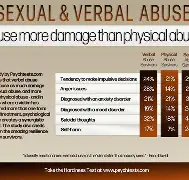
- Increased risk of depression and anxiety: Verbal abuse can lead to a higher risk of developing mental health issues such as depression and anxiety.

Effect on Learning Abilities
Verbal abuse can also impact learning abilities, as victims may have trouble concentrating due to the emotional distress. This can result in lower grades and academic struggles.

Impact on Self-Esteem
- Negative self-perception: Victims of verbal abuse often internalize the negative messages and may develop a distorted self-image.
- Increased susceptibility to peer pressure: With low self-esteem, victims of verbal abuse may be more likely to succumb to peer pressure or engage in risky behaviors.
Long-term Physical Effects
While primarily focused on the psychological effects, it’s important to note that prolonged exposure to verbal abuse can also have long-term physical consequences such as increased stress levels and weakened immune systems.
Prevention and Support
- Education: Provide students with education on the impact of verbal abuse and teach them how to identify and address it.
- Support networks: Encourage students to seek support from parents, teachers, or counselors when facing verbal abuse.

Conclusion
Verbal abuse can have long-lasting and damaging effects on students. By educating ourselves and our children, we can help prevent verbal abuse and support those who are affected by it.