Using Picture Books To Teach Emotional Regulation
Teaching Emotional Regulation with Picture Books: A Comprehensive Guide for Parents and Educators
Introduction: The Importance of Emotional Regulation for Young Children
In today’s fast-paced world, it is crucial for children to learn how to recognize and manage their emotions effectively. Emotional regulation skills not only benefit the child but also contribute to creating a harmonious environment for those around them. This guide focuses on three picture books that can be used in both educational settings and individual sessions to teach young children about emotional regulation.
Book 1: When Sophie Gets Angry, Really Angry
The first book is a classic titled “When Sophie Gets Angry, Really Angry,” written by Molly Bang. In this story, Sophie gets very angry when her sibling wants to share a toy with her. The story follows her journey of dealing with anger, eventually calming down in the woods.
Book 2: Milo and the Jar of Feelings
The second book is “Milo and the Jar of Feelings,” a story about a boy who finds a magical jar that changes colors based on his feelings. This book teaches children about different emotions, including happiness, stress, sadness, and more.
Book 3: A List of Additional Recommended Books for Emotional Regulation
- “The Color Monster: A Story About Emotions” by Anna Llenas
- “Feelings” by Todd Parr
- “My Many Colored Days” by Dr. Seuss
Conclusion: Fostering Emotional Intelligence through Picture Books
Storytelling is an effective way to teach children about emotional regulation, and these books are excellent resources for both parents and educators. By using these picture books, you can help young children understand their emotions better and develop essential skills for managing them effectively.
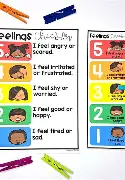
It’s crucial to remember that every child is unique, so it’s essential to be patient, empathetic, and supportive during this learning process. Encourage open communication about feelings, and always reinforce positive coping strategies.
In addition, consider sharing your own experiences with emotions, as children often learn best from the people they trust the most. By using picture books and open dialogue, we can help our young ones grow into emotionally intelligent individuals.
For more resources on emotional regulation and other topics related to child development, check out Why It the Wonder Dog Books on YouTube. Remember, every book recommendation in this guide is carefully selected for its educational value, and I do not receive any compensation for promoting them.