Restorative Justice Activities For The Classroom
Restorative Justice Activities for the Classroom: A Safe and Supportive Approach
As educators and parents, we strive to create a safe, inclusive, and supportive environment where young people can learn, grow, and thrive. One approach that fosters this goal is restorative justice. In this article, we’ll explore restorative justice activities for the classroom and their benefits.
What is Restorative Justice?
Restorative justice is an approach that focuses on repairing harm, rebuilding relationships, and fostering a sense of community. It contrasts with traditional punishment-based approaches by emphasizing the importance of understanding and addressing the root causes of harmful behavior.
The Role of Restorative Circles in Classrooms
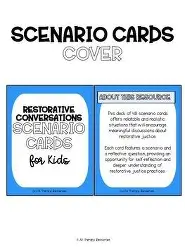
One popular restorative justice activity is the restorative circle. In this setting, students gather in a circle and engage in open, honest discussions about their behaviors and how they can make things right. Restorative circles create a safe space for reflection, learning, and growth.
The Benefits of Restorative Circles
- Encourages empathy and active listening skills
- Empowers students to take responsibility for their actions
- Promotes a sense of community and belonging
- Fosters self-awareness and emotional intelligence
A Restorative Classroom: A Space for Growth and Learning

In a restorative classroom, students learn to support each other and work collaboratively towards shared goals. Teachers model empathy, active listening, and open communication, creating an atmosphere of trust, safety, and confidence.
Implementing Restorative Justice Activities in Your Classroom
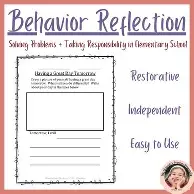
To begin implementing restorative justice activities in your classroom, start by building strong relationships with your students. Create a safe and supportive environment where students feel comfortable sharing their thoughts, feelings, and experiences.
Ongoing Learning and Support
Collaborate with other educators who are implementing restorative justice in their classrooms. Attend workshops, webinars, and conferences to continue learning about best practices and strategies for success.
Conclusion

Restorative justice activities, such as restorative circles, offer an effective and empowering approach to student discipline. By fostering empathy, active listening, and self-awareness, we can create classrooms where young people feel supported, safe, and empowered to grow.

For more information about restorative justice and its implementation in the classroom, we recommend watching the following videos: “Restorative Circles: Creating a Safe Environment for Students to Reflect” and “Restorative Approach Demonstration Classroom – Bonnie Moore.”