Restorative Practice Questions For Teachers
Restorative Practice Questions for Teachers: Empowering Restorative Conversations
Introduction
In today’s classrooms, it is essential to create a supportive and inclusive learning environment. One effective approach that can help achieve this goal is the use of Restorative Practice Questions (RPQ). In this article, we will explore how teachers can employ these questions in their daily interactions with students.
The Concept of Restorative Chat
Restorative chat refers to an informal, facilitated conversation between a teacher and a student. These conversations use restorative questions to address problematic behavior, focusing on building relationships, empathy, and understanding. The aim is to create a high-support, high-expectation learning environment that fosters personal growth and academic success.
Five Restorative Practice Questions for Discipline Incidents
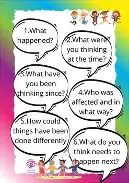
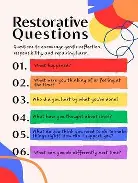
- What happened? – Gives students a chance to share their perspective, helping build a foundation for problem-solving.
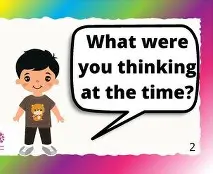
- What were you thinking of at the time? – Encourages reflection on the behavior and helps adults understand the student’s thought process.
- What have you thought about since? – Allows students to reflect on the situation, often triggering empathy and helping with future problem-solving.
- Who has been affected by what you’ve done and in what way? – Helps students understand the impact of their behavior on others and fosters empathy skills.
- What do you need to do to make things right? – Encourages students to take responsibility for their actions and develop a plan to repair relationships.
A Multi-tiered System of Support
Restorative chat is part of a multi-tiered system of support, which aims to address problem behavior in a supportive and proactive manner. The system includes various tiers that provide increasing levels of support based on the student’s needs.
Conclusion
Restorative practice questions are an essential tool for teachers seeking to create supportive, inclusive learning environments. By using these questions, educators can foster empathy, understanding, and responsible behavior in their students. Remember, the goal is not punishment but restoring relationships and promoting personal growth.
Video Resources
- Restorative Chat Teachers Practice using the Restorstive Questions
- Five Restorative Practice Questions for a Discipline Incident

Empowering Your Classroom
By incorporating restorative practice questions into your classroom, you can create a supportive learning environment that encourages empathy, understanding, and responsible behavior. Start using these questions today to make a positive impact on your students’ lives.