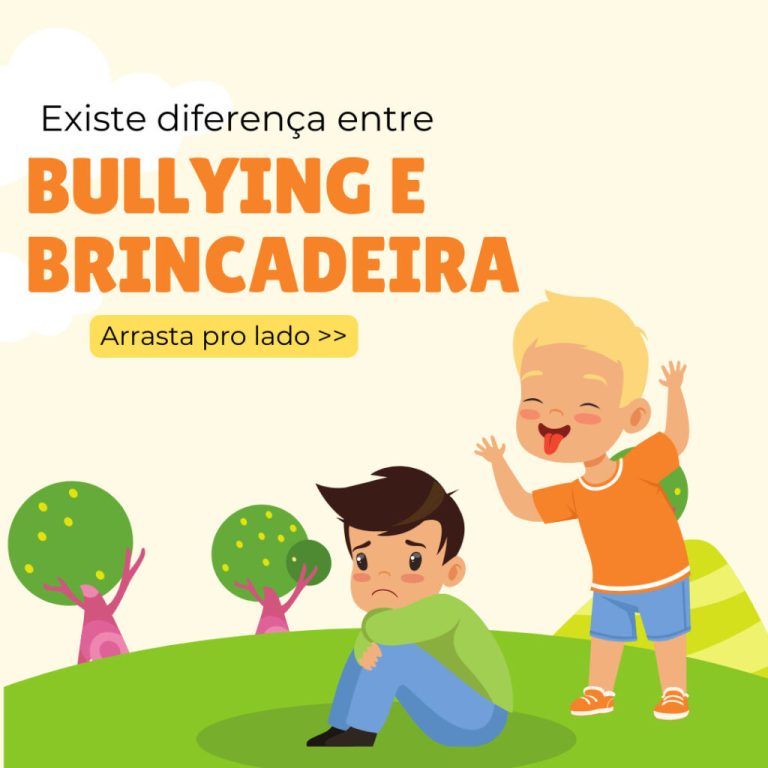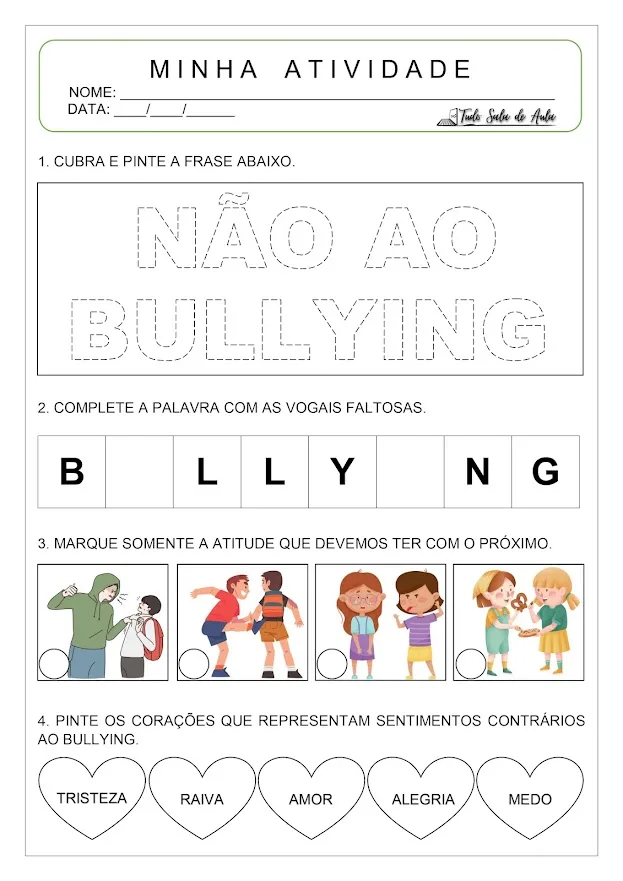
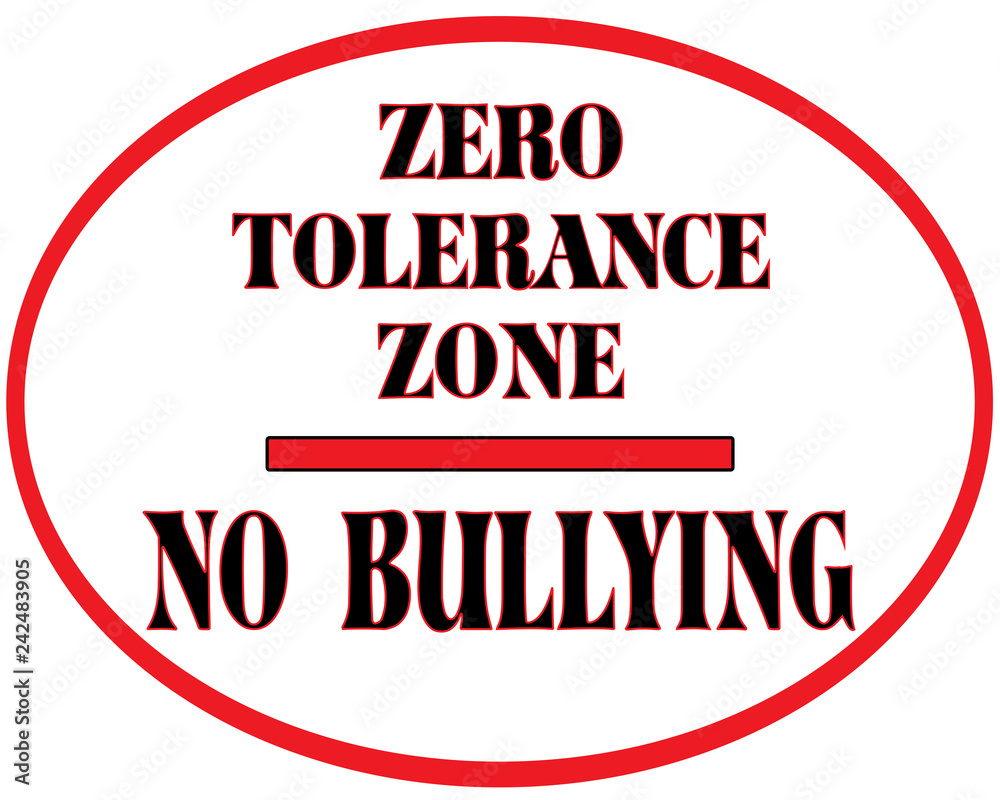
Bullying Zero Tolerance
Bullying Zero Tolerance: A Critical Approach
Bullying is a pervasive issue in American schools, affecting more than 16 percent of U.S. school children, according to the National Institute of Child Health and Human Development (NICHD). Being bullied can lead to depression, low self-esteem, and criminal behavior later in life for both bullies and their victims.
The NICHD defines bullying as a type of behavior that is intended to harm or disturb the victim, occurring repeatedly over time with an imbalance of power. Bullying can take many forms, including physical, verbal, or psychological attacks. According to a study by the same institute, 29 percent of students have been involved in some aspect of bullying, either as a bully, as the target of bullying, or both.
Zero tolerance bullying policies are a strict rule that enforces automatic punishment for any bullying behavior. While the main goal is to create a safe environment for all students, critics argue that these policies may not align with how children develop and can negatively impact their educational experience and emotional development.
Effective bullying prevention should involve more than just strict rules. It should also include education, support, and intervention strategies. Teaching children about empathy, conflict resolution, and social skills can help prevent bullying behavior and create a positive school climate.
Resources
- Bullying Widespread in U.S. Schools, Survey Finds
- Depression High Among Youth Victims of School Cyber Bullying, NIH Researchers Report
- What Is Zero Tolerance Bullying Policy? – Child Welfare Network
- Preventing Cyberbullying and Traditional Forms of Bullying