Bullying Da Escola
Bullying in Schools: Understanding and Preventing It
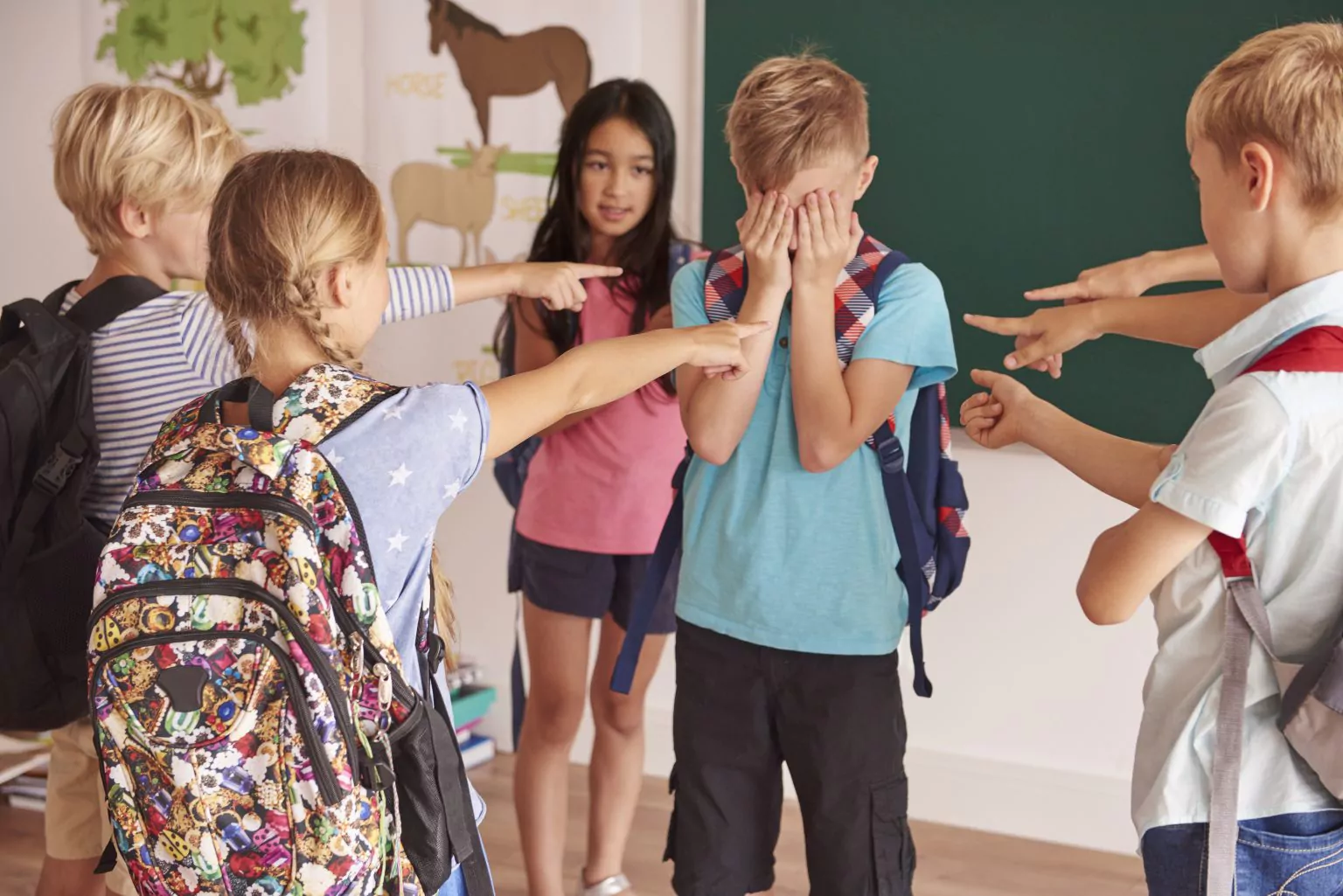
School should be a safe place for learning and socializing, but for the 28% of students who report being bullied, it can be a scary place. Bullying is unwanted, aggressive behavior that is repeated over time and involves an imbalance of power.
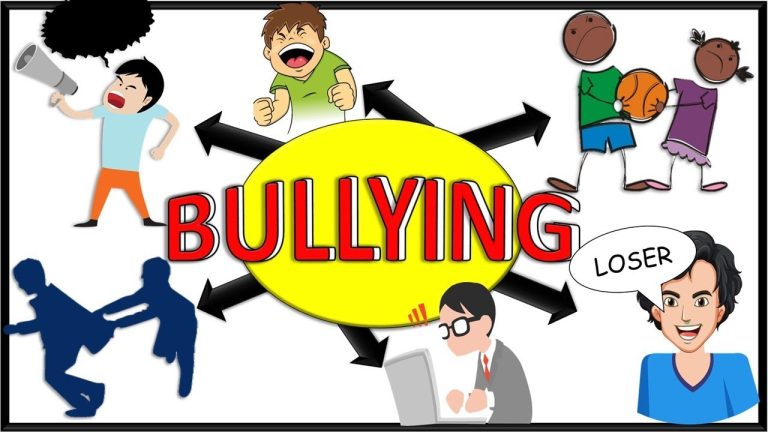
Bullying can take various forms:
- Physical: hitting or attacking someone or damaging a person’s belongings
- Verbal: teasing or threatening to hurt someone in person or online
- Relational: purposefully leaving someone out of a group or spreading rumors in person or online
The Extent of Bullying
According to a study by the National Institute of Child Health and Human Development (NICHD), bullying is widespread in American schools, with more than 16 percent of U.S. school children saying they had been bullied by other students during the current term. The same study found that being bullied is not just an unpleasant rite of passage through childhood; it’s a public health problem that merits attention. People who were bullied as children are more likely to suffer from depression and low self-esteem, well into adulthood, and the bullies themselves are more likely to engage in criminal behavior later in life.
Empowering Bystanders
To reduce bullying—at school and online—NICHD has adapted a curriculum, “Bullying: Be More Than a Bystander.” This curriculum emphasizes that bullying is not just a simple interaction between the bully and the student being bullied and aims to engage bystanders to take a stand against bullying. An estimated 70% of students have witnessed bullying at school, which suggests that this approach has the potential to really make a difference.
Prevention Strategies
The “Bullying: Be More Than a Bystander” curriculum identifies ways that bystanders can take action:
- Be a friend to the person who is being bullied, so they do not feel alone.
- Tell a trusted adult about any observed bullying.
- Help the person get away from the bullying without putting yourself at risk.
- Don’t enable bullying by providing an audience.
- Set a good example by not bullying.
- Protect yourself and others from cyberbullying.
Empowering youth who may find themselves as bystanders to bullying is an important way to address this challenging issue. NICHD is highlighting this and other efforts to raise awareness about and prevent youth violence throughout the month of March. Bullying, both in person and online, is a prevalent form of violence at school.