How To Stop Bullying In Schools With Effective Resolution Strategies
How to Stop Bullying in Schools with Effective Resolution Strategies
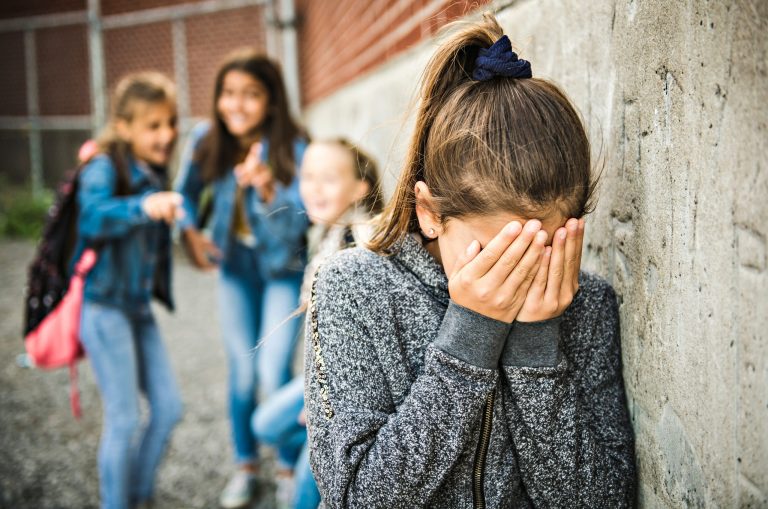
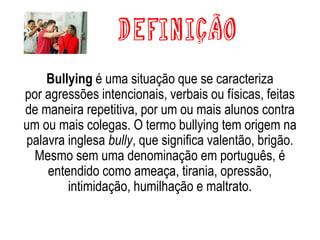
Bullying is defined as intentionally aggressive behavior characterized by a real or perceived imbalance of power. Unlike occasional conflict, this pattern is repeated over time and targets specific vulnerabilities within the student population. It manifests across various environments, creating a pervasive threat to a student’s psychological safety and academic trajectory.
Within the school ecosystem, it is critical to distinguish between teasing and bullying. While teasing may be used to provoke or irritate, bullying relies on the systemic exploitation of power to marginalize another individual. This distinction allows educators to apply the correct intervention based on the intent and frequency of the behavior.
Addressing these dynamics requires a shift from labeling students as “bullies” or “victims” toward analyzing the specific behaviors exhibited. By focusing on the action rather than the identity, professionals can implement a Functional Behavioral Assessment to determine the underlying trigger and the reinforcement maintaining the aggression.
How to Stop Bullying! Examples & and Best Solutions (For Students)
Nobody Likes a Bully – How to Stop Bullying in Schools – Deal with Bullies – Why Do I Bully Prevent
Ways to Stop Bullying
Together against school bullying (long version)
The Psychological Dimensions of Peer Aggression
Understanding the “why” behind aggressive behavior is essential for long-term resolution. Often, students who engage in bullying are experiencing helplessness or trauma in their own lives, using school-based dominance to compensate for a lack of control elsewhere. This perspective does not excuse the behavior but informs the clinical approach to remediation.
From the lens of neurodiversity, certain students may struggle with social reciprocity, particularly those diagnosed with ASD (Autism Spectrum Disorder). Depending on their Levels of Support, these students may be more susceptible to relational bullying, such as purposeful exclusion or the misinterpretation of social cues.
To mitigate these risks, schools must move beyond annual assemblies toward a consistent, integrated curriculum. Character education should be embedded into daily instruction, fostering empathy and respect as core competencies rather than elective virtues.
Evidence-Based Intervention Strategies
Socio-Emotional Coaching and Social Scripts
For students struggling with social navigation, socio-emotional coaching provides a structured way to handle conflict. One concrete tool is the use of Social Scripts, which are pre-written, practiced dialogues that give students a predictable way to respond to aggression without escalating the situation.
These scripts allow the student to maintain boundaries while signaling to the aggressor that the behavior is ineffective. By rehearsing these interactions in a safe environment, students build the cognitive flexibility needed to handle real-world stressors.
Peer-Mediated Intervention
The role of the bystander is a pivotal lever in reducing the prevalence of harassment. A peer-mediated intervention strategy trains students to actively support their peers, transforming the social reward system so that bullying no longer grants the perpetrator social status.
When peers intervene by letting the target know they are seen or by reporting the incident to a trusted adult, the power imbalance is disrupted. This collective accountability creates a culture where inclusion is the norm and aggression is socially penalized.
Systemic Frameworks for School-Wide Prevention
A holistic approach requires a multi-tiered behavioral framework that aligns policies across the entire district. This ensures that students moving between schools encounter consistent expectations and consequences, reducing confusion and increasing the predictability of the environment.
Integrating anti-bullying efforts with broader mental health initiatives prevents the fragmentation of support services. When harassment policies are intertwined with general school climate goals, the focus shifts from punishment to the creation of a safe, caring community.
Finally, addressing cyberbullying requires a specialized approach due to the digital nature of the aggression. Schools must implement clear definitions of digital harassment and provide parents with the tools to monitor and support their children’s online interactions.
FAQ
What is the difference between teasing and bullying?
Teasing is often used to irritate or provoke and may be mutual; bullying, however, involves an intentional imbalance of power and is repeated over time to cause harm.
How can I help a student who is being bullied but is too afraid to speak?
Educators should look for behavioral changes, such as social withdrawal or a decline in academic performance, and create a safe, non-judgmental space for the student to open up.
Are punitive measures like detention effective in stopping bullying?
Research suggests that purely punitive measures are often counterproductive; instead, a combination of behavioral assessment, socio-emotional coaching, and systemic culture shifts is more effective.