{’10 Ways To Stop Bullying In Schools With Anti-Bullying Education For Kids – Resolvingbooks.Com’: ”, ‘How Children Can Resolve Conflicts And End Bullying Forever – Expert Tips’: ”, “The U
Systemic Strategies for Eradicating School Bullying: A Behavioral Science Approach
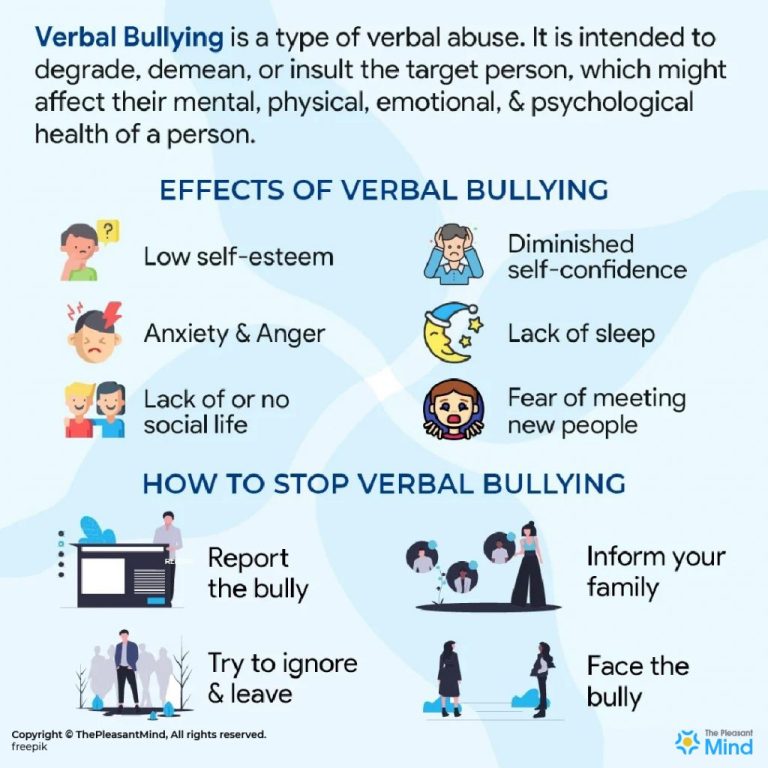
Bullying is defined as the habitual use of force, coercion, or hurtful teasing to aggressively dominate another individual. This behavior is fundamentally distinguished from general conflict by a perceived imbalance of physical or social power. Such dynamics often manifest as a repetitive cycle of intimidation intended to maintain a specific social hierarchy.
Within the modern school ecosystem, these interactions frequently migrate from physical classrooms to digital spaces. The crossover between traditional harassment and cyberbullying creates a continuous loop of aggression, often fueled by a desire for social visibility. This digital extension allows the perpetrator to reach a wider audience, amplifying the psychological impact on the target.
From a clinical perspective, it is essential to recognize how neurodiversity influences these social dynamics. Students with Autism Spectrum Disorder (ASD), depending on their required Levels of Support, may struggle with social cues, making them more susceptible to targeting or misunderstood as aggressors. Understanding these cognitive profiles is vital for implementing effective support systems.
Building Positive Relationships with Young Children (supporting social emotional development)
Understanding Challenging Behavior in Young Children
How a child’s brain develops through early experiences
Wellbeing for Children: Healthy Habits
Analyzing the Behavioral Root Causes
The Role of Functional Assessment
To stop aggressive cycles, educators must move beyond punishment and employ a Functional Behavioral Assessment (FBA). This process identifies the specific “function” of the behavior—whether the student is seeking attention, escaping a difficult task, or gaining social status. By understanding the trigger and the reinforcement, clinicians can replace the maladaptive behavior with a pro-social alternative.
The Influence of Social Hierarchy
Peer abuse often stems from a desire to “fix” a perceived power imbalance or to gain approval from influential figures. In some cases, “mobbing” occurs where followers reinforce the primary aggressor’s actions through laughter or validation. Addressing this requires shifting the reward system of the peer group so that empathy, rather than dominance, becomes the social currency.
Evidence-Based Intervention Strategies
Implementing Social Scripts
For students who struggle with conflict resolution, Social Scripts provide a concrete linguistic framework to navigate tense situations. These are pre-written, practiced dialogues that teach a child exactly what to say to set a boundary or request help without escalating the conflict. This tool is particularly effective for students with ASD who require explicit instruction in social pragmatics.
Peer-Mediated Intervention
A highly effective approach involves peer-mediated intervention, where trained student leaders are empowered to support their classmates. By fostering a culture of “upstanders” rather than bystanders, the social power shifts away from the aggressor. This method leverages the natural influence of peers to create a protective shield around vulnerable students.
Socio-Emotional Coaching
Long-term prevention requires socio-emotional coaching to develop self-regulation and empathy. When children learn to identify their own emotional triggers and respond appropriately to the emotions of others, the impulse to dominate diminishes. This coaching should be integrated into the daily curriculum, not treated as an isolated disciplinary event.
Building a Protective Institutional Framework
The Importance of Child Protection Committees
Institutional safety is maximized when schools establish formal Child Protection Committees. These bodies ensure that anti-bullying policies are not merely documents but active protocols that include counseling and life skills training. A structured reporting system that guarantees confidentiality is essential for encouraging victims and witnesses to come forward.
Nurturing Early Childhood Relationships
The foundation of a safe school environment begins with the quality of the adult-child bond in early education. Responsive and nurturing relationships create a sense of security and trust, which are prerequisites for developing self-esteem. When a child feels fundamentally understood and safe, they are more likely to explore their environment and less likely to engage in coercive behaviors.
FAQ
What is the difference between bullying and a typical peer conflict?
The primary distinction is the imbalance of power and the repetitive nature of the behavior. While conflict is usually a disagreement between equals, bullying involves a persistent attempt to dominate or intimidate another person.
How can parents support a child with ASD who is being targeted?
Parents should collaborate with school psychologists to implement a combination of Social Scripts and a Functional Assessment. Ensuring the child has a designated “safe person” in the school ecosystem and explicit coaching on social boundaries is crucial.
Why is cyberbullying often more damaging than physical bullying?
Cyberbullying provides a “false sense of fame” for the aggressor and allows the harassment to be viewed by a massive audience. Unlike physical bullying, it follows the victim into their home, leaving them with no perceived safe space.