
Bullying Y Violencia Escolar
Bullying and School Violence: A Persistent Problem in U.S. Schools
Bullying is a pervasive issue in American schools, with more than 16 percent of U.S. school children reporting they had been bullied by other students during the current term, according to a survey funded by the National Institute of Child Health and Human Development (NICHD). This study, published in the Journal of the American Medical Association, highlights the urgent need to address this public health problem.
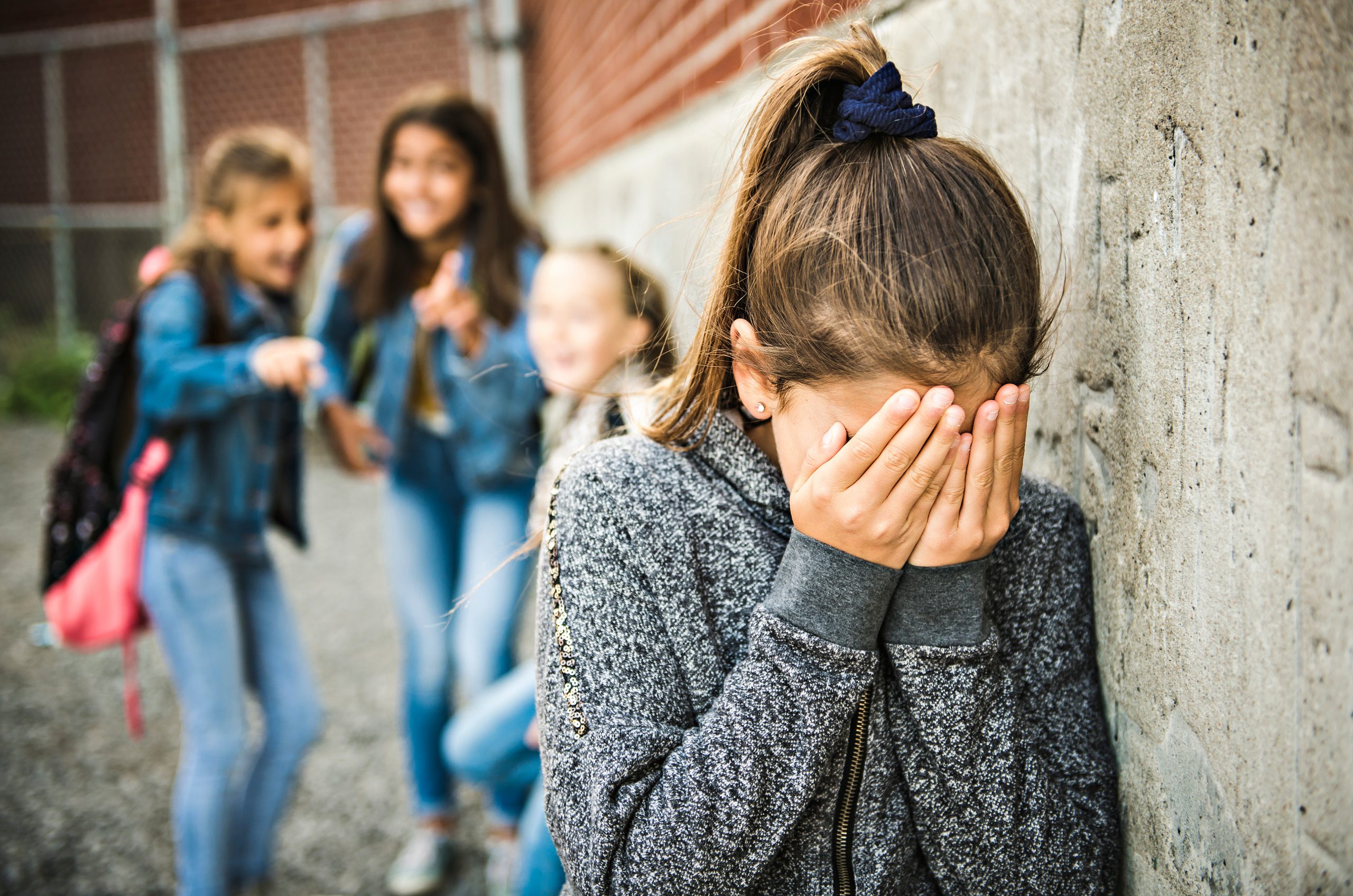
Bullying involves intentional harm or disturbance caused to the victim, repeated over time, with an imbalance of power favoring the bully. It can take various forms: physical (hitting, attacking), verbal (name-calling, threatening), and psychological (spreading rumors, excluding a person). The NICHD researchers surveyed 15,686 students in grades six-through-ten from public, parochial, and other private schools across the U.S.
Prevalence of Bullying Behavior
A significant number of students reported involvement in bullying:
- 13% said they had engaged in moderate or frequent bullying of others.
- 10.6% said they had been bullied either moderately or frequently.
- 6.3% had both bullied others and been bullied themselves.
In total, 29% of the students who responded to the survey had been involved in some aspect of bullying, either as a bully, as the target of bullying, or both.
Lasting Effects of Bullying
Bullying can have long-term consequences for both bullies and victims. Victims are more likely to suffer from depression and low self-esteem well into adulthood, while bullies themselves are more prone to engage in criminal behavior later in life.