Bullying Prevention Strategies For Parents And Teachers
Systemic Bullying Prevention: An Integrated Approach to School Mental Health
Bullying is a persistent pattern of intentional aggression designed to create a power imbalance between peers. This behavior manifests through physical, verbal, or relational means, often leading to severe psychological distress for the victim. The impact extends beyond emotional pain, frequently correlating with diminished academic performance in core subjects like mathematics and science.
When analyzing these dynamics, it is crucial to recognize that victimization increases the risk of anxiety, depression, and school avoidance. High-achieving students from marginalized backgrounds often face unique pressures that exacerbate these vulnerabilities. A safe learning environment is not a luxury but a prerequisite for cognitive development.
Effective prevention requires moving beyond traditional punitive measures, which often fail to address the root cause of the aggression. Instead, a systemic shift toward a supportive culture is necessary to ensure all students feel valued. This transition demands a collaborative effort between administrators, teachers, and families.
How to Stop Bullying! Examples & and Best Solutions (For Students)
Cultivating compassion: Strategies for bullying prevention
10 Fun Activities to Implement for Bully Prevention
Bullying Prevention for Kids | Learn skills and strategies to prevent and deal with teasing
The Behavioral Architecture of Peer Aggression
From a behavioral perspective, aggression is often a learned response to internal or external stressors. Some students may engage in these behaviors to gain a sense of power if they feel helpless in other areas of their lives. Understanding the “why” behind the action is essential for long-term resolution.
Implementing Functional Behavioral Assessments
To address these patterns, educators should employ a Functional Behavioral Assessment (FBA). This process involves identifying the antecedents and consequences that reinforce the maladaptive behavior. By determining if the student is seeking attention, escaping a task, or gaining social status, clinicians can replace the aggression with a pro-social alternative.
Optimizing the School Ecosystem for Safety
A healthy school ecosystem relies on the perceived connectedness of its staff and students. When teachers feel valued and supported by their administration, they are significantly more likely to intervene when they witness peer conflict. This creates a safety net that discourages perpetrators and protects victims.
Peer-Mediated Intervention and Culture Change
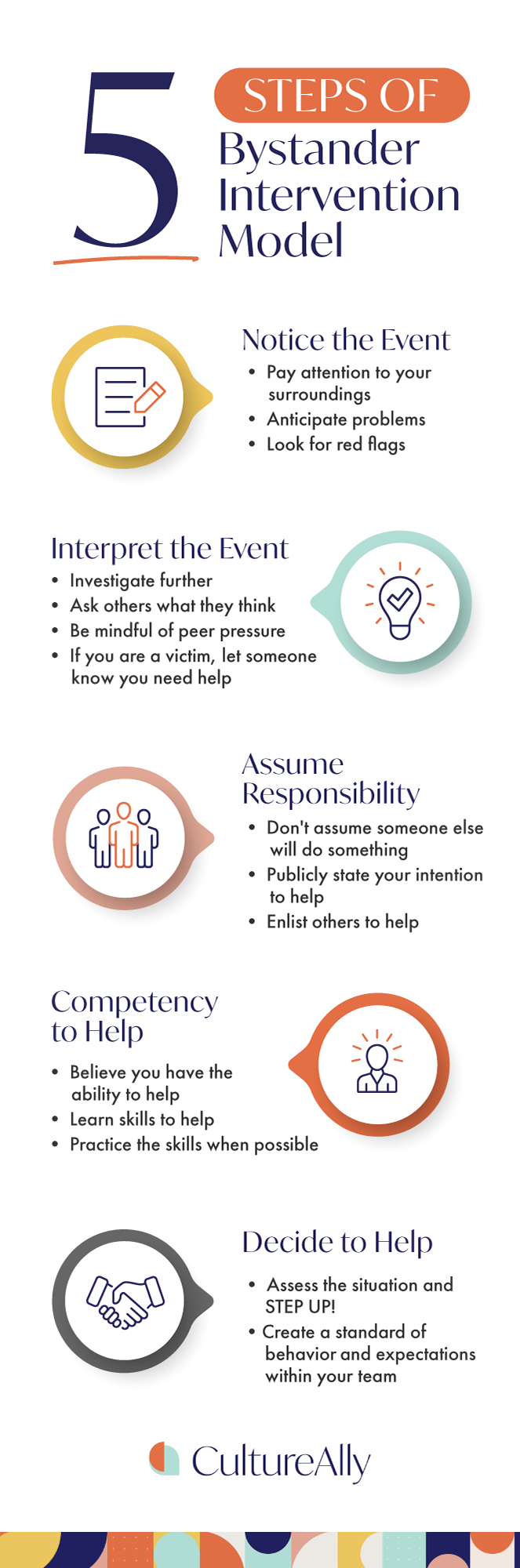
One of the most effective evidence-based solutions is peer-mediated intervention. This strategy trains a select group of students to act as “upstanders” who support victims and discourage bullying behavior. By shifting the social reward system, the peer group begins to value empathy over dominance.
Supporting Neurodiversity and Vulnerable Populations
Students with neurodiversity, particularly those diagnosed with ASD (Autism Spectrum Disorder), may be more susceptible to victimization due to challenges in social communication. Depending on their Levels of Support, these students may struggle to interpret subtle social cues or respond to aggression in conventional ways.
Social Scripts for ASD and Support Levels
To empower these students, educators can implement Social Scripts. These are pre-written, practiced dialogues that provide the student with a concrete way to respond to a difficult social situation. This reduces anxiety and provides a predictable tool for navigating complex interpersonal interactions.
The Role of the Home-School Partnership
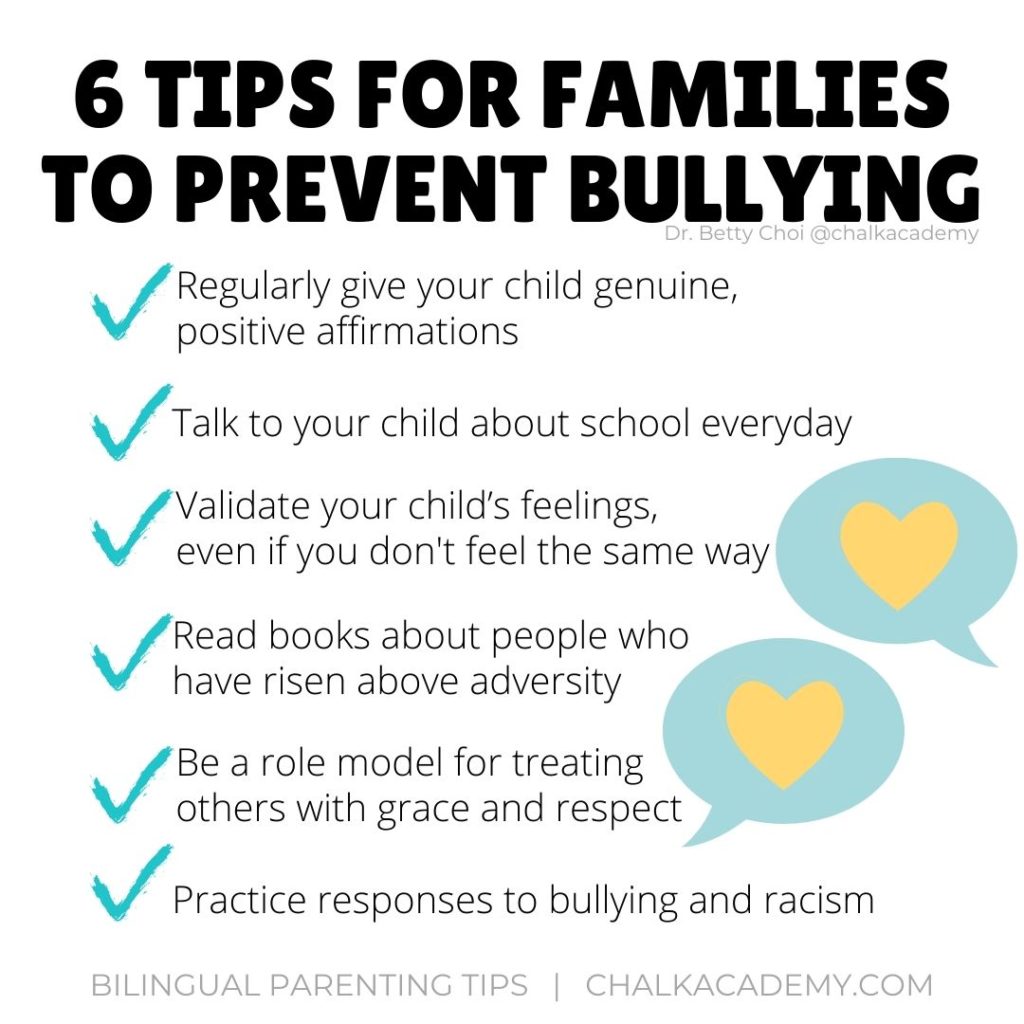
Prevention cannot stop at the school gates; it requires a synchronized approach with caregivers. Parents must be equipped to recognize the signs of victimization, which may include sudden academic decline or reluctance to attend school. Open communication between home and school ensures that interventions are consistent.
Socio-Emotional Coaching for Resilience
Parents can utilize socio-emotional coaching to help their children develop emotional regulation and assertiveness. Instead of simply telling a child to “ignore it,” coaching involves role-playing scenarios to build confidence. This approach fosters resilience and provides the child with a sense of agency.
Community-Based Advocacy and Policy
Systemic change is often driven by community involvement and the establishment of clear, enforceable policies. Schools must move beyond paper-based codes of conduct to active, lived policies that define bullying and outline specific, non-punitive consequences. This transparency reduces the diffusion of responsibility among adults.
Creating local task forces involving police, parents, and educators can further bridge the gap between the school and the community. These groups can raise awareness through localized blogs or public meetings, ensuring that the responsibility for student safety is shared. When the entire community stands against aggression, the environment becomes inherently safer.
FAQ
What is the difference between a normal peer conflict and bullying?
The primary distinctions are intent, repetition, and power imbalance. While conflicts are often situational and between equals, bullying is a deliberate attempt to harm someone who has difficulty defending themselves.
How should a teacher handle a student who is the aggressor?
Rather than relying solely on punishment, the teacher should investigate the underlying function of the behavior. Using a behavioral approach to identify the student’s unmet needs allows for the teaching of replacement behaviors.
Can online harassment be prevented using the same strategies as in-person bullying?
While the psychological principles are similar, online harassment requires additional technological measures and digital citizenship education. Joint behavioral and technological monitoring is necessary to address the 24/7 nature of cyberbullying.