How Children Learn Social Skills And Emotional Regulation
The Architecture of Socialization: How Children Acquire Emotional Regulation and Interpersonal Skills
Social-emotional development emerges from a complex intersection of biological predispositions and environmental influences, a framework known as the eco-biological model. This synergy determines how a child perceives social cues and manages internal affective states. Understanding this duality allows educators and parents to move beyond behavioral correction toward genuine skill acquisition.
Innate temperament serves as the baseline for this process, defining a child’s intrinsic “style” across dimensions such as sensory threshold, adaptability, and mood quality. Whether a child is categorized as flexible or feisty, these biological markers influence how they initially approach the world. Consequently, the environment must be calibrated to meet the specific needs of the child’s temperament.
The interaction between these internal traits and external stimuli dictates the trajectory of a child’s growth. When the surrounding environment provides the necessary scaffolding, children can bridge the gap between their biological impulses and socially acceptable responses. This process is fundamental to achieving milestone competencies in the social-emotional domain.
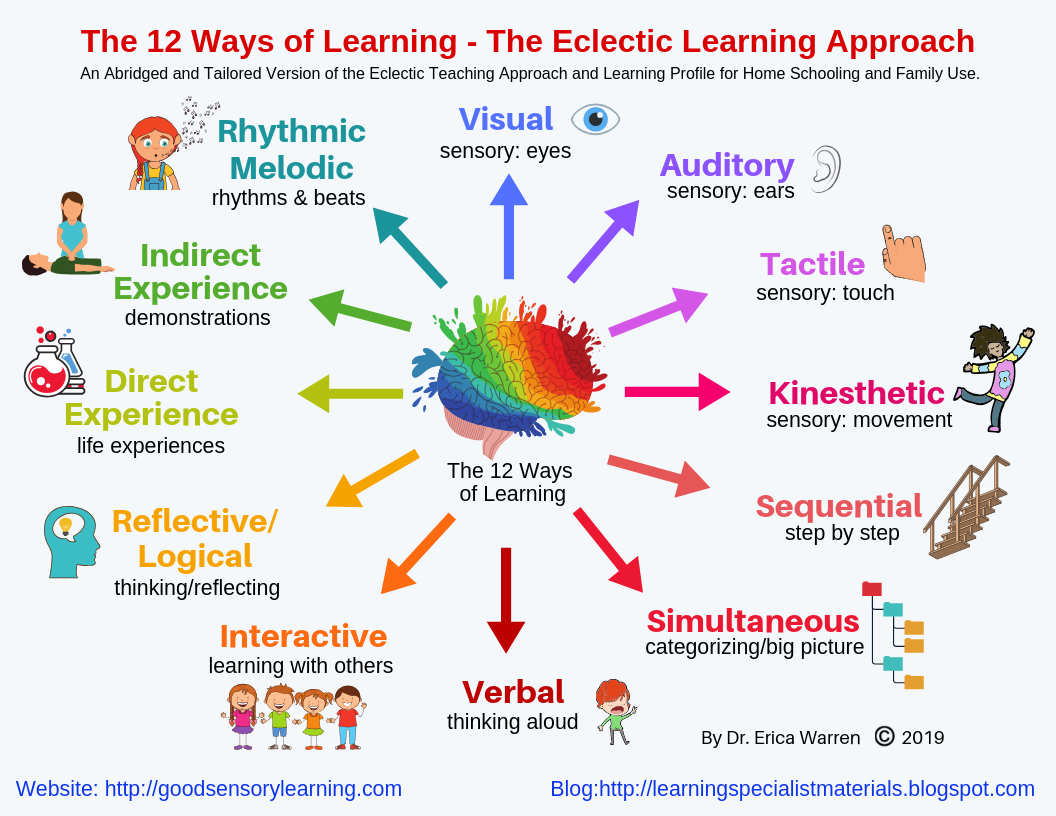
How Children Learn
Early Learning Brain Development and Lifelong Outcomes
How Children Learn by John Holt — Understanding Natural Learning (in 6 Minutes)
How Kids Learn? | Learning by Doing, Activity-Based Learning & Kids Concepts
From Co-Regulation to Autonomous Self-Management
Before a child can achieve independent stability, they must experience co-regulation, where an adult provides the external emotional support necessary to navigate distress. This scaffolding process allows the child to lean on the adult’s regulated nervous system to calm their own. Through this partnership, the child gradually internalizes the tools needed for self-soothing.
Effective socio-emotional coaching involves the adult modeling calm, constructive approaches to problem-solving in real-time. For instance, an educator explicitly stating, “I am taking a breath to think more clearly,” provides a cognitive map for the child to follow. This transparency transforms a hidden mental process into a visible, replicable strategy.
A critical distinction must be made between the validity of an emotion and the appropriateness of the resulting action. While all feelings are acceptable, not all behaviors are permissible within a social context. By validating the emotion while correcting the behavior, adults help children develop a nuanced understanding of boundaries and empathy.
Tailoring Interventions for Neurodiversity
Within the spectrum of neurodiversity, the acquisition of social skills often requires more explicit, systematic instruction. For children diagnosed with Autism Spectrum Disorder (ASD), the required Levels of Support vary based on the severity of deficits in social communication and the presence of restrictive patterns.
For those requiring higher levels of support, implicit social cues are often missed, necessitating the use of concrete tools. These children benefit from structured environments where expectations are predictable and visually represented. Reducing ambiguity in the school ecosystem minimizes anxiety and prevents behavioral escalation.
Implementing peer-mediated intervention can further bridge the gap for neurodivergent learners. By training neurotypical peers to initiate and sustain interactions, the child with ASD practices social reciprocity in a naturalistic setting. This approach shifts the focus from “fixing” the child to optimizing the social environment.
Evidence-Based Strategies for the School Ecosystem
To move from theory to practice, educators should employ Social Scripts to help children navigate conflict. A concrete example is teaching the formula: “The problem is [X], and I feel [Y].” This structure reduces the cognitive load during high-stress moments, allowing the child to communicate needs without reverting to maladaptive behaviors.
Another powerful tool is the use of puppets or role-play to simulate challenging scenarios in a low-stakes environment. This allows children to externalize their feelings and experiment with different solutions without the fear of immediate social failure. Such simulations build the resilience necessary for real-world application.
Finally, performing a Functional Assessment of a behavior allows caregivers to understand the “why” behind a social outburst. By identifying whether a behavior is intended to avoid a task or gain attention, the adult can provide a replacement behavior that serves the same function but is socially appropriate.
FAQ
What is the difference between co-regulation and self-regulation?
Co-regulation is the external support provided by a caregiver to help a child manage their emotions, whereas self-regulation is the internalized ability of the child to manage those emotions independently.
How can I help a child who struggles with transitions?
Provide a step-by-step explanation of the upcoming events and use visual timers or predictable routines to reduce anxiety and increase the child’s sense of control.
Why is it important to differentiate between feelings and behaviors?
This distinction teaches children that while their emotions are always valid and acceptable, their actions must still adhere to social boundaries and safety standards.
How do Social Scripts assist children with ASD?
Social Scripts provide a predictable linguistic template that reduces the anxiety of social interaction and gives the child a concrete way to express their needs and emotions.