{’10 Livros Infantis Que Abordam O Bullying De Forma Sutil E Eficaz’: ”, ‘Bullying Entre Crianças: Como Resolver Conflitos Com Empatia E Amor’: ”, ‘Crie Um Ambiente Seguro Para Seus Filhos
Combatting Systematic Intimidation: A Psychological Framework for Safe Educational Environments
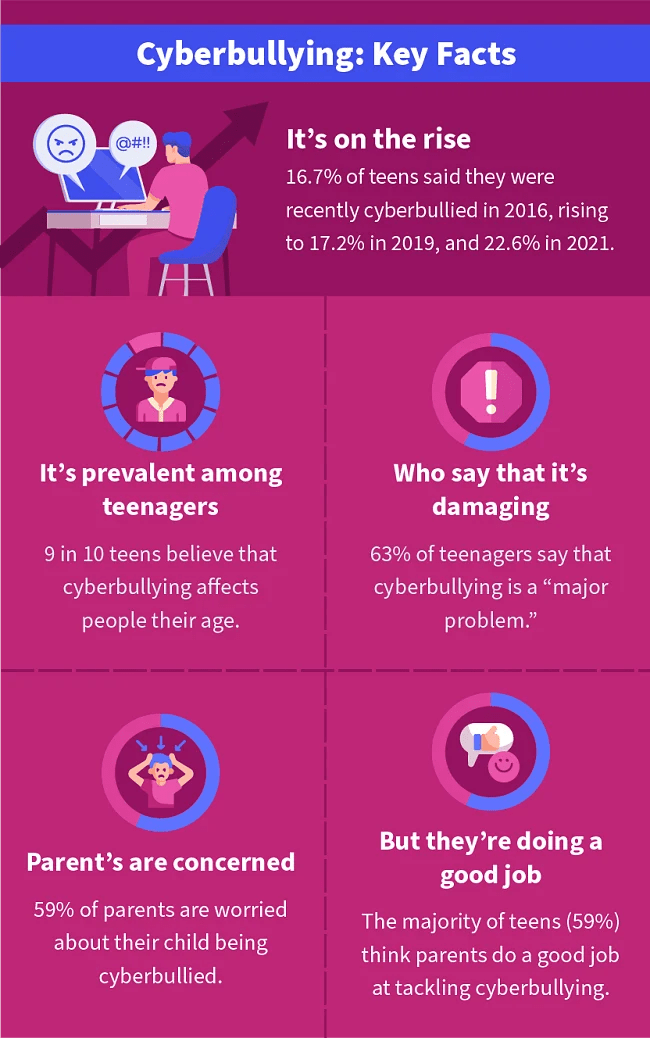
Bullying is defined as systematic intimidation, a pattern of aggressive behavior that transcends simple childhood conflict. This phenomenon often targets perceived differences, creating deep psychological scars that can persist into adulthood. Addressing these dynamics requires a shift from viewing these incidents as “exaggerations” to recognizing them as critical mental health concerns.
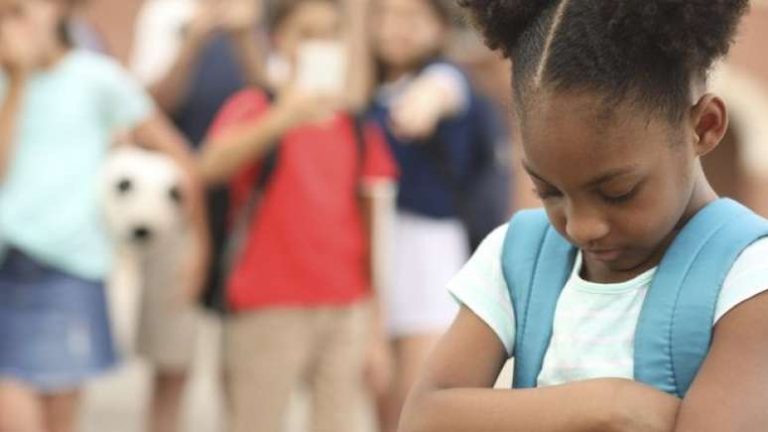
Within the school ecosystem, these behaviors manifest in various forms, including verbal, physical, social, cyber, and sexual aggression. Verbal bullying involves humiliating nicknames or threats, while social bullying focuses on exclusion and isolation. Recognizing these distinctions is the first step toward implementing a targeted intervention plan.
Children with neurodiversity, particularly those diagnosed with Autism Spectrum Disorder (ASD) and varying Levels of Support, are often disproportionately targeted due to differences in social communication. These students may struggle to interpret subtle social cues, making them more susceptible to systematic intimidation. Early identification of these vulnerabilities allows educators to implement protective frameworks.
Conoce los tipos de Bullying
Acoso escolar (Bullying): estrategias de detección y apoyo | Dr. Javier Quintero | Webinar
Causas y consecuencias del Bullying-🤕🗣⚠️
Relatório do Unicef aponta avanço do bullying e da violência nas escolas | #SBTBrasil
The Therapeutic Power of Bibliotherapy in Conflict Resolution
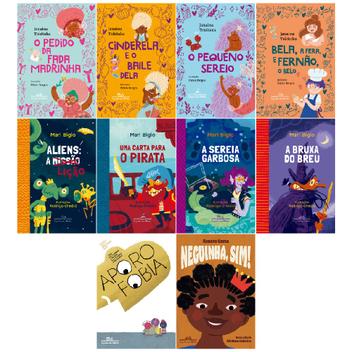
Literature serves as a mirror for children, allowing them to build their identity through narratives and develop empathy for others. Fiction enables a child to recognize themselves in a character, facilitating a safe exploration of exclusion and prejudice. By engaging with stories, children can learn different postures to handle social isolation without the pressure of a direct confrontation.
Works such as “Ernesto” by Blandina Franco encourage young children to accept differences with respect, using metaphors to illustrate how “strange” or “different” traits can lead to loneliness. Similarly, “Todos zoam todos” by Dipacho addresses the reality that everyone has unique characteristics that might be mocked, shifting the perspective toward the beauty of diversity. These stories act as catalysts for conversations about respect and the intrinsic value of every individual.
For older children, “Morango Sardento e o valentão da escola” by Julianne Moore provides a model for facing aggression and the possibility of transforming conflict into friendship. Using these books is not merely about reading, but about implementing Social Scripts. Educators can use these narratives to role-play specific scenarios, teaching children exactly what to say and how to react when they witness or experience intimidation.
Applied Behavior Analysis (ABA) Strategies for Prevention
To effectively resolve conflicts, professionals must move beyond generic advice and employ a Functional Assessment. This process involves analyzing the antecedents and consequences of the bullying behavior to determine its function—whether the aggressor is seeking attention, escaping a task, or gaining social status. Once the function is identified, the intervention can be tailored to replace the aggressive behavior with a pro-social alternative.
Implementing socio-emotional coaching allows children to develop the emotional regulation necessary to handle frustration without resorting to aggression. This involves teaching the child to identify their emotional triggers and providing them with a toolkit of coping mechanisms. When a child understands their own emotional state, they are less likely to project their insecurities onto peers.
Furthermore, peer-mediated intervention is one of the most effective ways to change the social climate of a classroom. By training a group of empathetic students to act as “natural supports,” the school creates a protective layer around vulnerable children. This strategy shifts the social reward system, making inclusion and kindness more socially valuable than dominance and exclusion.
Cultivating a Secure Environment for Child Development
Creating a safe space requires a synchronized effort between the home and the educational institution. Parents should adopt positive parenting techniques, focusing on open dialogue and the validation of their child’s emotions. When a child feels heard at home, they are more likely to report incidents of intimidation early, preventing the trauma from escalating.
Schools must transition from reactive discipline to proactive prevention. This means establishing clear, non-negotiable boundaries regarding respect and diversity while providing the necessary support for those who struggle with social integration. A secure environment is one where the child feels that the adults in their life are reliable allies in their emotional safety.
Ultimately, the goal is to foster a culture of empathy and love where differences are not just tolerated but celebrated. By combining clinical precision in behavioral analysis with the empathy found in literature, we can protect the mental health of the next generation. The integration of psychological support and educational strategy ensures that every child, regardless of their support level, can thrive.
FAQ
What is the difference between a normal conflict and bullying?
A normal conflict is typically an occasional disagreement between peers of equal power. Bullying, or systematic intimidation, is characterized by an imbalance of power, repetition over time, and the intent to cause harm or distress.
How can I help a child who is the target of social exclusion?
The most effective approach is through peer-mediated intervention and socio-emotional coaching. Help the child build a small network of supportive peers and provide them with social scripts to navigate complex interactions, while simultaneously addressing the group dynamics with the educator.
Why are children with ASD more vulnerable to bullying?
Children with Autism Spectrum Disorder may have challenges with social-emotional reciprocity and the interpretation of non-verbal cues. This can make them targets for those who exploit these differences, necessitating specific support levels and protective strategies within the school ecosystem.