Physical Vs Emotional Bullying: Which Is More Harmful
Physical vs Emotional Bullying: Which is More Harmful?
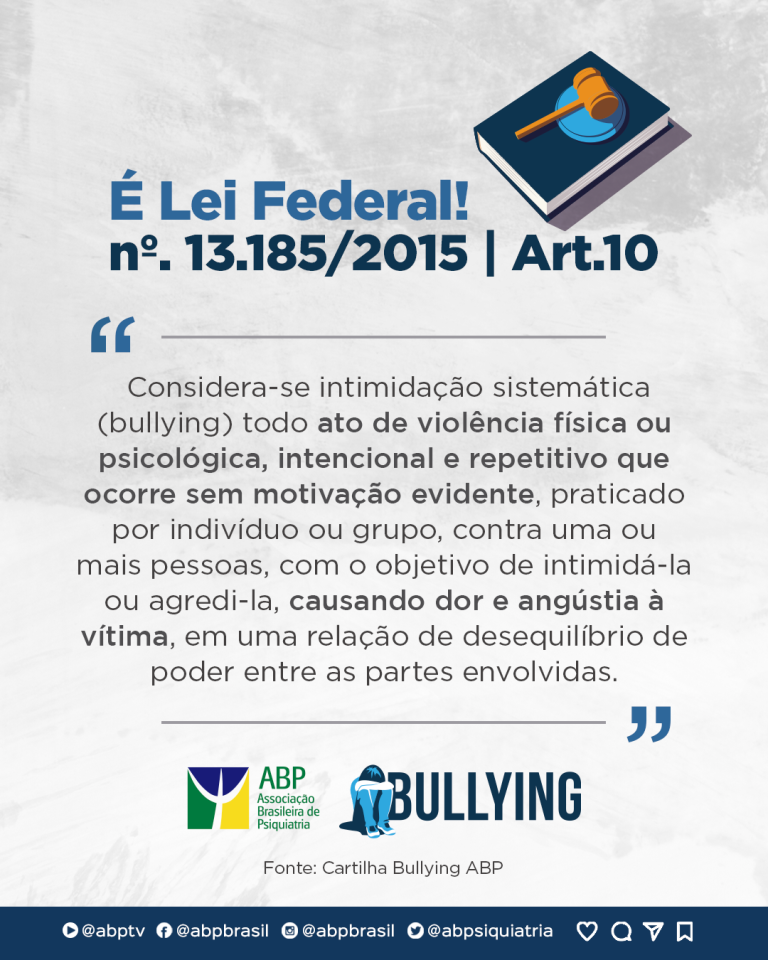
Bullying is a pervasive issue that affects individuals of all ages, backgrounds, and walks of life. While physical bullying can have severe consequences, emotional bullying can be just as damaging, if not more so. In this article, we will explore the differences between physical and emotional bullying, their impact on individuals, and what can be done to prevent and address these forms of bullying.
Physical Bullying
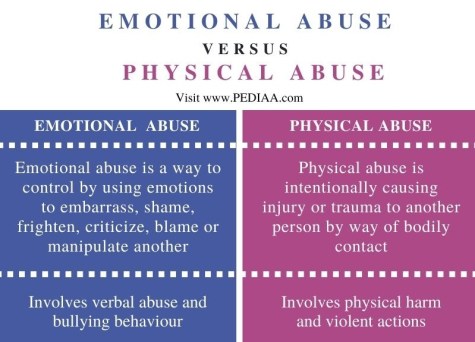
Physical bullying involves any form of repeated physical aggression toward another person. This can include aggressive or violent behaviors such as hitting, tripping, or kicking. It can also involve stealing or damaging possessions. Physical bullying is often more visible and easier to identify than emotional bullying.
Emotional Bullying
Emotional bullying, on the other hand, involves using words or actions to belittle, humiliate, or intimidate another person. This can include verbal abuse, social exclusion, or spreading rumors. Emotional bullying can be more subtle and harder to detect than physical bullying, but its impact can be just as severe.
The Impact of Bullying
Both physical and emotional bullying can have serious consequences for individuals. Victims of bullying may experience anxiety, depression, post-traumatic stress disorder (PTSD), and even suicidal thoughts. Bullying can also affect a person’s self-esteem, social relationships, and academic or professional performance.
Physical Health Consequences
Bullying has been linked to various physical health problems, including headaches, stomachaches, sleep disturbances, and digestive issues. Chronic stress caused by bullying can also contribute to the development of heart problems and other cardiovascular diseases.
Emotional and Mental Health Consequences
The emotional and mental health consequences of bullying can be just as severe. Victims may experience mood swings, become withdrawn or isolated, and develop anxiety or depression. Bullying can also affect a person’s self-worth, leading to low self-esteem and a lack of confidence.
Prevention and Intervention
Preventing and addressing bullying requires a multi-faceted approach. Schools, workplaces, and communities can implement policies and programs to promote empathy, kindness, and respect. Individuals can also take steps to support victims of bullying and report incidents of bullying.
Creating a Supportive Environment
Creating a supportive environment is crucial in preventing and addressing bullying. This involves promoting empathy, kindness, and respect among individuals. Schools and workplaces can implement programs that encourage positive relationships, social skills, and emotional intelligence.
Conclusion
In conclusion, both physical and emotional bullying can have severe consequences for individuals. While physical bullying may be more visible, emotional bullying can be just as damaging. It is essential to address both forms of bullying through prevention and intervention strategies that promote empathy, kindness, and respect.