How To Create A Personalized Safety Plan For Neurodivergent Students Facing Bullying
Understanding the Challenges: Bullying in Neurodivergent Students
Bullying is a pervasive issue that affects many students, particularly those who identify as neurodivergent. The impact of bullying on these individuals can be profound and long-lasting, often affecting their socio-emotional wellbeing, academic performance, and overall quality of life.
- Neurodivergent students may face bullying due to their unique learning styles, communication differences, or social interaction preferences.
- Bullying can manifest in various forms, such as verbal abuse, physical aggression, social exclusion, and cyberbullying.
The Impact of Bullying on Neurodivergent Students’ Brain Development
Research has shown that social isolation and bullying can have detrimental effects on the brain, particularly in areas related to social cognition and theory of mind. This is especially concerning for neurodivergent students who may already struggle with these skills.

Creating a Personalized Safety Plan: A Comprehensive Approach
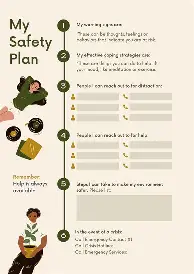
A personalized safety plan is an evidence-based strategy that helps neurodivergent students facing bullying feel safe, supported, and empowered. The plan should be tailored to the individual’s unique needs, strengths, and challenges.
- Functional Behavior Assessment (FBA): Identify the specific triggers, behaviors, and functions of bullying for the student involved.
- Social Skills Training: Teach the student appropriate social skills to navigate social situations more effectively.
- Peer-Mediated Intervention: Engage peers in the classroom as allies and advocates for the student facing bullying.
- Socio-emotional Coaching: Provide ongoing support to help the student develop coping strategies, resilience, and self-advocacy skills.
Empowering Schools: A Whole-School Approach to Bullying Prevention
A comprehensive approach to bullying prevention requires the involvement of the entire school ecosystem. Strategies may include professional development for staff, classroom management techniques, and a strong anti-bullying policy enforced consistently across the school.

Promoting Neurodiversity: Embracing and Supporting All Learners
By fostering an inclusive environment that values neurodiversity, schools can help create a culture of respect, understanding, and acceptance for all students. This not only supports the wellbeing of neurodivergent students but also contributes to a more harmonious and productive school community.