The Psychological Profile Of A Cyberbully In 2026
The Psychological Profile of a Cyberbully in 2026
Introduction
In the digital age, cyberbullying has become a pressing issue that affects millions of young people worldwide. This article delves into the psychological profile of a cyberbully in 2026, shedding light on its causes and offering solutions for prevention.
Causes and Characteristics
Research shows that cyberbullies exhibit certain common characteristics and behaviors. They often lack empathy, have a need for control, and are motivated by negative attention. Additionally, social media platforms can provide anonymity, making it easier for individuals to bully others without fear of consequence.

Effects on Mental Health
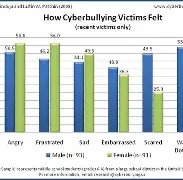
Cyberbullying can have devastating effects on the mental health of its victims. Victims are at higher risk for anxiety, depression, and even suicidal thoughts. The emotional scars can linger well into adulthood, affecting relationships and self-esteem.
Long-Term Effects
Adults who were bullied as children often report lower levels of happiness and success in their personal and professional lives. It’s essential to address cyberbullying early on to prevent these long-term consequences.

Prevention
Preventing cyberbullying starts with promoting empathy and digital communication skills. A new approach, such as a virtual reality behavior reinforcement game, can help students practice empathy and learn about the consequences of their actions.

Conclusion
Understanding the psychological profile of a cyberbully is crucial in addressing and preventing this harmful behavior. By promoting empathy, digital communication skills, and awareness of the consequences, we can create safer, kinder digital spaces for all.