Restorative Justice In Virtual Learning Environments
Restorative Justice in Virtual Learning Environments: A Comprehensive Guide for Parents, Educators, and Young People
Introduction
In the digital age, virtual learning environments have become an integral part of education. However, with this shift comes new challenges, such as cyberbullying and online conflict resolution. Restorative justice offers a unique approach to addressing these issues, fostering growth, empathy, and understanding in our young learners.
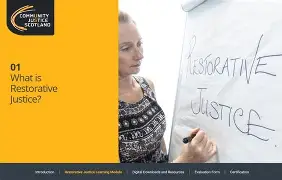
What is Restorative Justice?
Restorative justice is a philosophy that emphasizes repairing harm and rebuilding relationships, rather than punishing individuals. It focuses on empathy, accountability, and healing, allowing students to learn from their mistakes in a supportive environment.
Practical Application in Virtual Learning Environments
One practical example of restorative justice in virtual learning environments is the creation of safe spaces, such as “The Zone,” where students can discuss their behaviors and find solutions to address conflicts. This fosters a sense of community and collaboration among students, promoting empathy and understanding.
Benefits of Restorative Justice
- Empowers students to take responsibility for their actions
- Encourages empathy and understanding among students
- Fosters a sense of community and belonging in the virtual learning environment
- Promotes long-term personal growth and development