Effective Ways To Communicate With School About Bullying
Effective Ways to Communicate with School about Bullying


Bullying is a complex issue that affects many young people. It can be difficult to know how to approach the situation, especially when it comes to communicating with your child’s school. Here are some effective strategies to help you navigate this challenging topic.
Understanding Bullying
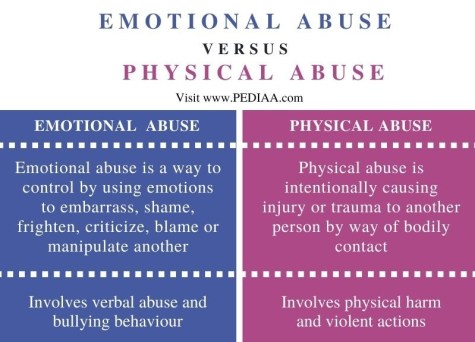
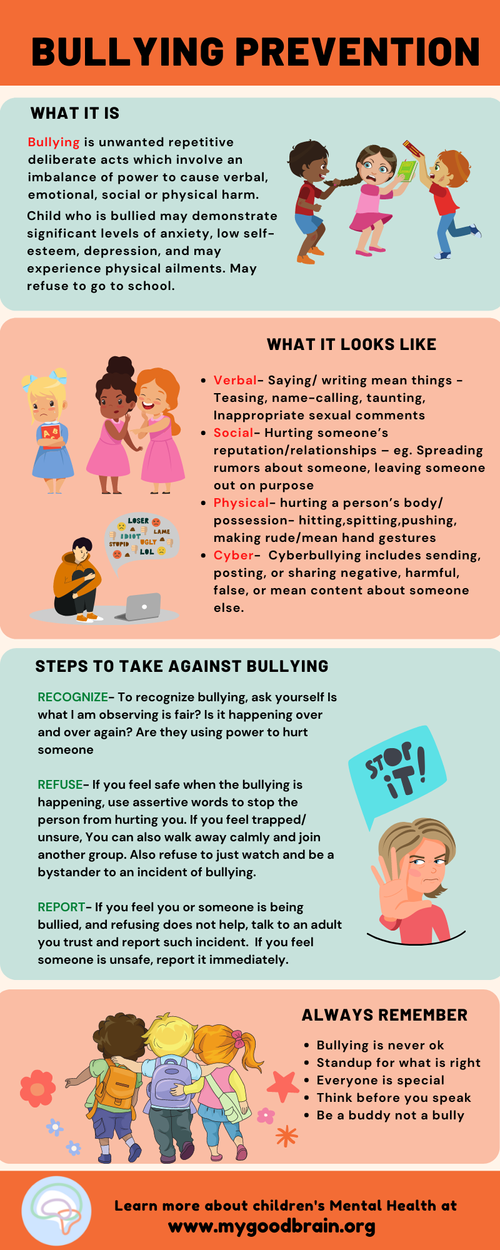
Bullying is repeated and intentional harm inflicted on someone who feels powerless to stop it. It can take many forms, such as verbal abuse, physical violence, or social exclusion. Understanding the nature of bullying is crucial in addressing it effectively.
Communicating with Your Child
Before approaching the school, it’s essential to communicate with your child about their experiences. Encourage them to share their feelings and help them develop strategies for handling bullying situations. Remember, it’s important to validate their emotions and assure them that they are not alone.
Contacting the School
When you feel ready, contact your child’s school to discuss the issue. Be clear, concise, and specific about the incidents of bullying your child has experienced. Share any evidence or witness statements that support their claims.

Working Together for a Solution
The school should take your concerns seriously and work with you to develop a plan to address the bullying. This might include monitoring your child’s classroom, involving other students in awareness campaigns, or implementing consequences for the bully.

Supporting Your Child
Throughout this process, continue to support your child emotionally. Help them develop coping strategies and remind them that they are valued and loved.
Monitoring Progress
Regularly check in with your child to see how they are doing and if the bullying has stopped. If it continues, revisit the school’s plan and work together to make adjustments as needed.

Seeking Additional Support
If the bullying continues despite your best efforts, consider seeking additional support from counselors, mental health professionals, or bullying prevention organizations.

Conclusion
Addressing bullying requires a collaborative effort between parents, schools, and children. By working together, we can create safer, more supportive environments for all students.