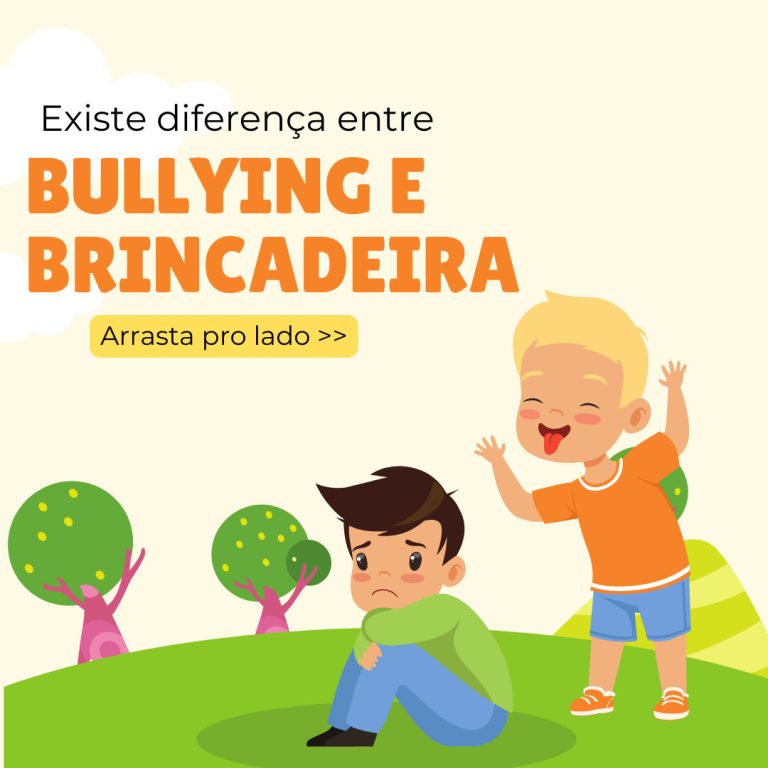
Effective Anti-Bullying Programs For Primary Schools
Effective Anti-Bullying Programs for Primary Schools
Understanding Bullying
Bullying is the deliberate, repeated harm inflicted on someone by another or others. It can manifest as verbal abuse, physical violence, exclusion, or cyberbullying. Bullying can have serious and lasting effects on a child’s emotional, social, and academic well-being.
We know that bullying is often rooted in power imbalances and negative peer dynamics. However, it is essential to understand that bullying stems from individual and environmental factors. A bully may be hurting or struggling themselves, leading them to lash out at others as a way to feel powerful.
Meet Amber: A once enthusiastic student who now feels isolated due to bullying by her peers. Bullying can make someone feel powerless and alone, but it does not have to be a part of their school experience.
The Importance of Anti-Bullying Programs in Primary Schools
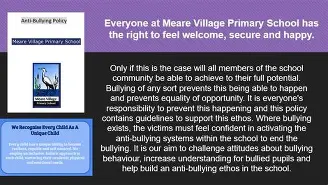
School-based anti-bullying programs aim to create a safe, supportive learning environment for all students. These programs focus on teaching empathy, promoting positive peer interactions, and fostering a school culture that values kindness and respect.
Effective anti-bullying programs provide strategies for both victims and bystanders. They encourage bystanders to take action against bullying by reaching out to the victim or reporting the incident to an adult. These programs also offer support for victims, empowering them to stand up for themselves and seek help when needed.
Evidence-Based Anti-Bullying Programs
Research has shown that school-based anti-bullying programs can be effective in reducing bullying behavior and increasing prosocial behaviors among students. These programs are often implemented through a whole-school approach, involving teachers, administrators, and students alike.
In this section, we will discuss some evidence-based anti-bullying programs that have been proven to be effective in primary schools:
1. Olweus Bullying Prevention Program
Developed by Dan Olweus, this program focuses on creating a school-wide approach to bullying prevention. It involves training staff, implementing classroom lessons, and involving parents in the process.
2. Steps to Respect
Developed by the Committee for Children, Steps to Respect is an evidence-based program that focuses on social and emotional learning. It teaches students skills such as empathy, conflict resolution, and assertiveness.

3. Kids Hope USA
Kids Hope USA is a mentoring program that pairs caring adult mentors with at-risk students. Mentors work one-on-one with their mentees to provide emotional support, academic assistance, and social skills development.
Conclusion
Bullying is a complex issue that affects the emotional, social, and academic well-being of children. However, school-based anti-bullying programs can be effective in reducing bullying behavior and creating a safe, supportive learning environment for all students.
By implementing evidence-based programs such as the Olweus Bullying Prevention Program, Steps to Respect, and Kids Hope USA, schools can take active steps towards preventing bullying and promoting a culture of kindness and respect.