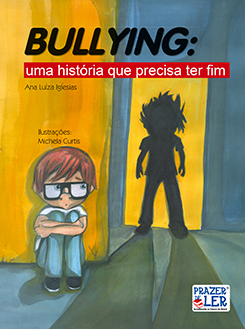
Bullying Uma História Que Precisa Ter Fim
Bullying: A Story That Needs to End
Bullying is a widespread problem in American schools, with more than 16 percent of U.S. school children saying they had been bullied by other students during the current term, according to a survey funded by the National Institute of Child Health and Human Development (NICHD).
The study, published in the Journal of the American Medical Association, found that overall, 10 percent of children said they had been bullied by other students, but had not bullied others. Another 6 percent said that they had both been bullied themselves and had bullied other children. Meanwhile, 13 percent of students said they had bullied other students, but had not been bullied themselves.
“Being bullied is not just an unpleasant rite of passage through childhood,” said Duane Alexander, M.D., director of the NICHD. “It’s a public health problem that merits attention. People who were bullied as children are more likely to suffer from depression and low self-esteem, well into adulthood, and the bullies themselves are more likely to engage in criminal behavior later in life.”
Cyberbullying and Depression
Unlike traditional forms of bullying, youth who are the targets of cyberbullying at school are at greater risk for depression than are the youth who bully them, according to a survey conducted by researchers at the National Institutes of Health.
“Notably, cyber victims reported higher depression than cyber bullies or bully-victims, which was not found in any other form of bullying,” the study authors wrote in the Journal of Adolescent Health. “…unlike traditional bullying which usually involves a face-to-face confrontation, cyber victims may not see or identify their harasser; as such, cyber victims may be more likely to feel isolated, dehumanized or helpless at the time of the attack.”
Preventing and Addressing Bullying
Bullying can interfere with scholastic achievement, development of social skills, and general feelings of well-being. Parents are advised to encourage children to tell them immediately if they are victims of cyberbullying or other troublesome online behaviors. The U.S. Health Resources and Services Administration offers a number of steps that parents can take to help prevent cyber bullying and how to respond to it, at www.stopbullying.gov/parents.