Behavioral Psychology Made Simple: A Guide For Kids’ Development
Behavioral Psychology Made Simple: A Guide for Kids’ Development
Behavioral psychology focuses on the observable interactions between an individual and their environment to understand why specific actions occur. This discipline shifts the analytical lens from internal, unmeasurable thoughts to quantifiable responses that can be tracked and modified. By prioritizing empirical evidence, practitioners can create structured environments that foster positive growth.
The evolution of this field was spearheaded by figures like B.F. Skinner and John B. Watson, who emphasized that learning is the primary driver of human action. They argued that the surroundings shape a child’s trajectory more than innate instincts alone. This perspective allows educators to implement targeted interventions based on the laws of effect.
Classical Conditioning, discovered by Ivan Pavlov, demonstrates how neutral stimuli can trigger specific responses through association. In a classroom setting, this means a child might associate a specific chime with the transition to lunch, reducing anxiety through predictability. Understanding these triggers is essential for maintaining a stable learning environment.
[GALERIA_VIDEOS]
The Mechanics of Learning and Behavioral Modification
While association is powerful, Operant Conditioning focuses on how consequences influence the likelihood of a behavior recurring. When a desired action is followed by a reward, the child is more likely to repeat that action in the future. This principle is the foundation of most modern classroom management systems.
To apply this effectively, professionals utilize Positive Reinforcement to encourage pro-social habits. Rather than punishing errors, the focus shifts to rewarding the “correct” version of a behavior. This approach builds confidence and clarifies expectations for the learner.
For children exhibiting challenging behaviors, a Functional Behavioral Assessment (FBA) is the gold standard for intervention. This process involves identifying the “function” of the behavior—whether it is to gain attention, escape a task, or satisfy a sensory need. Once the function is known, the adult can teach a replacement behavior that serves the same purpose but is more socially appropriate.
Cognitive Milestones and Socio-Emotional Growth
Development is not merely about reactions; it involves a complex progression of cognitive stages, as highlighted by Jean Piaget. Children move from sensory-based learning to abstract reasoning, meaning their ability to follow rules changes as they mature. Recognizing these milestones prevents adults from expecting cognitive abilities that the child has not yet developed.
Emotional regulation is another critical pillar of the school ecosystem. Children must learn to identify their feelings and manage them to avoid escalation during conflicts. This process is heavily influenced by the quality of attachment they have with their primary caregivers.
To support this, educators can implement Social Scripts. These are pre-written, rehearsed dialogues that provide children with the exact words to use in difficult social situations, such as asking a peer to share a toy. This reduces the cognitive load during stressful interactions and prevents behavioral outbursts.
Supporting Neurodiversity and Inclusive Education
Modern educational psychology recognizes that not all children process information identically, embracing the concept of neurodiversity. For students diagnosed with ASD (Autism Spectrum Disorder), the level of support required—ranging from Level 1 to Level 3—dictates the intensity of the intervention needed.
Children with higher support needs often struggle with the nuances of social reciprocity. In these cases, socio-emotional coaching is required to bridge the gap between their internal experience and the external social expectations of the classroom.
A highly effective evidence-based solution is peer-mediated intervention. By training neurotypical peers to initiate interactions and provide positive feedback, the school creates a naturalistic learning environment. This not only helps the student with ASD but also fosters empathy and leadership among the peer group.
Preventing Bullying through Behavioral Science
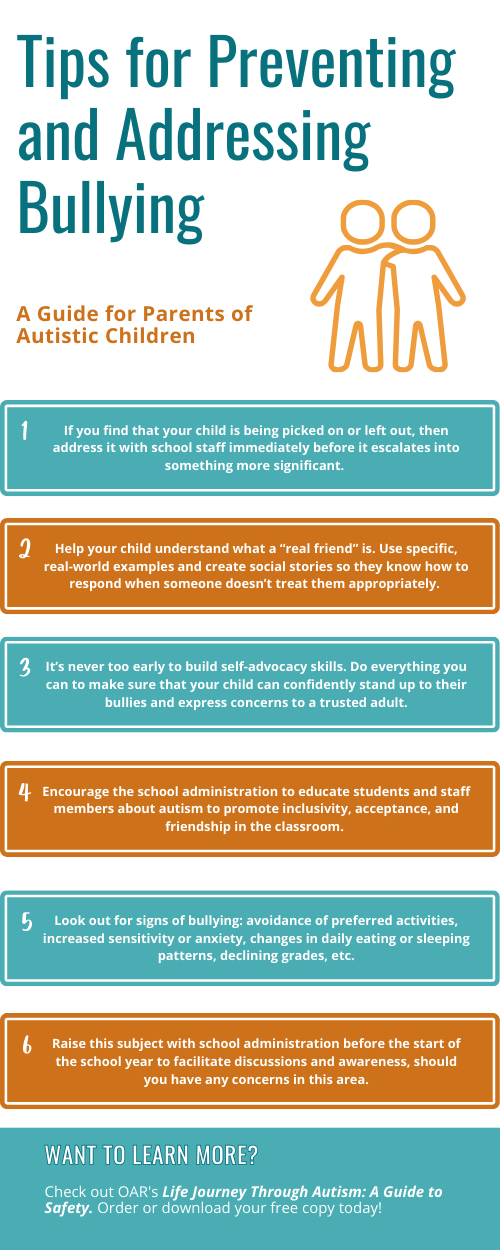
Bullying is often a learned behavior reinforced by social status or a desire for control. To combat this, schools must move beyond punitive measures and address the underlying behavioral triggers of both the aggressor and the victim.
Implementing a systemic approach to mental health involves teaching all students the mechanics of empathy. When children understand the “why” behind their peers’ reactions, the likelihood of aggressive behavior decreases.
Creating a safe environment requires a combination of clear boundaries and consistent reinforcement of kindness. When the school culture rewards inclusivity over dominance, the social reward for bullying vanishes, leading to a sustainable reduction in conflict.
FAQ
What is the difference between classical and operant conditioning?
Classical conditioning involves learning through association (e.g., a bell signaling food), whereas operant conditioning involves learning through consequences (e.g., a reward for completing homework).
How can I tell if a child’s behavior is atypical for their age?
Atypical behavior is usually identified when a child consistently fails to meet developmental milestones in cognitive, social, or emotional areas, or when their reactions are disproportionate to the situation across multiple environments.
What is the most effective way to stop a tantrum using behavioral principles?
The most effective method is to avoid reinforcing the tantrum with attention or the desired object, while simultaneously praising the child the moment they begin to use a calm, replacement behavior to express their needs.