
{‘5 Livros Que Ensinarão Às Crianças Como Lidar Com A Raiva E O Bullying’: ”, ‘Aprenda Com Os Erros: Atividades Anti-Bullying Para Educação Infantil’: ”, ‘Crie Um Ambiente Seguro: 10 Dicas
Combatting Systematic Intimidation: A Clinical Approach to School Mental Health
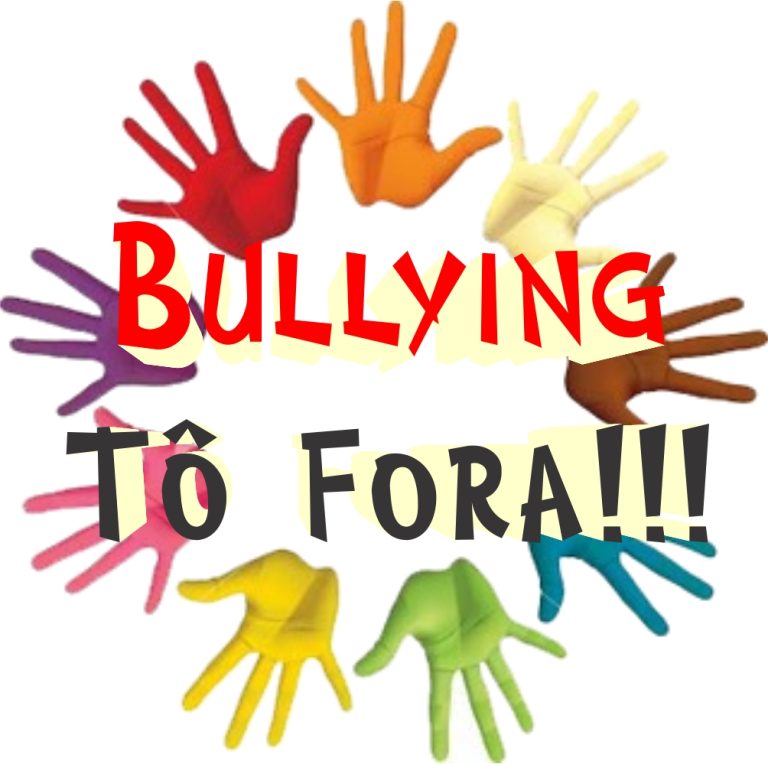
Bullying is a systematic pattern of aggression characterized by an imbalance of power and repeated intent to harm. This behavior often targets individuals with specific vulnerabilities, including those with Autism Spectrum Disorder (ASD), particularly those requiring Level 2 or 3 support. The psychological toll manifests as chronic anxiety, depression, and severe social withdrawal.
Legal frameworks, such as Brazil’s Law 14.811/2024, now criminalize these aggressive patterns and cyberbullying to ensure institutional accountability. Schools must transition from reactive discipline to proactive prevention strategies. This shift requires a comprehensive overhaul of the school ecosystem to protect all students regardless of their cognitive profile.
Effective prevention begins with the integration of socio-emotional coaching into the core curriculum. By teaching children to identify emotional triggers, educators can mitigate the escalation of conflict. This approach transforms the classroom into a laboratory for empathy and conflict resolution.
Aprender o Alfabeto em Português | Como Ensinar as Letras na Educação Infantil | Vídeos Educativos
Alfabeto para Educação Infantil | Vídeo Educativo com Letras | Brink & Aprenda
Abecedário Infantil para Alfabetização / Aprenda com a Tia Ste
♻️ RECICLAGEM 👩🏫 l Aprenda com Luna – O Show da Luna!
Bibliotherapy: Using Literature for Emotional Regulation
Utilizing curated literature allows children to externalize their anger and fear through characters, making complex emotions tangible. To maximize the impact of these books, educators should implement Social Scripts. These are pre-written, rehearsed dialogues that provide children with a concrete linguistic tool to navigate high-stress social interactions.
When a child reads about a character overcoming a conflict, the educator should facilitate a role-play session. This process moves the lesson from passive consumption to active behavioral rehearsal. By practicing these scripts, students build the cognitive flexibility needed to respond assertively rather than aggressively.
Recommended Literary Focus Areas
Books should focus on the physiology of anger, the concept of boundaries, and the importance of seeking adult assistance. The goal is to move the child from a state of emotional dysregulation to one of mindful response.
Early Childhood Intervention: Learning from Behavioral Errors
In early childhood education, the concept of “learning from mistakes” must be grounded in a Functional Behavioral Assessment (FBA). Instead of viewing a child’s aggression as “bad behavior,” the FBA analyzes the antecedent, the behavior itself, and the resulting consequence to determine the function of the action.
Once the function—such as attention-seeking or sensory avoidance—is identified, the educator can replace the maladaptive behavior with a pro-social alternative. This evidence-based method ensures that the child is taught a new skill rather than simply being punished for a deficit in social communication.
Practical Activities for Early Learners
Implement “Emotion Sorting” games where children categorize facial expressions and associated feelings. This develops the foundational empathy required to recognize the impact of their actions on others.
Architecting a Safe School Ecosystem: 10 Strategic Pillars
Creating a secure environment requires a multi-tiered system of support that integrates administrative policy with clinical practice. A primary strategy is peer-mediated intervention, where neurotypical students are trained to act as social bridges for their neurodiverse classmates, reducing the isolation that often precedes victimization.
To ensure a comprehensive safety net, institutions should adopt the following ten guidelines:
First, integrate explicit anti-intimidation rules into the internal school regulations. Second, provide continuous professional development for all staff on the signs of covert aggression. Third, launch annual awareness campaigns that involve the entire community. Fourth, establish a clear, anonymous reporting channel for victims. Fifth, ensure that the school’s political-pedagogical project prioritizes neurodiversity and inclusion.
Sixth, mandate the involvement of families in conflict mediation processes. Seventh, provide immediate psychological support for both the victim and the aggressor to break the cycle of violence. Eighth, use positive reinforcement to reward pro-social behavior and empathy. Ninth, conduct regular audits of “blind spots” in the school physical layout. Tenth, implement a tiered response system that escalates from mediation to legal referral as per current legislation.
FAQ
How can I tell if my child is being bullied or if it is just “kids being kids”?
Look for clinical markers such as sudden school avoidance, regression in sleep or eating patterns, and unexplained physical injuries. Unlike typical peer conflict, bullying is characterized by a persistent power imbalance and a lack of mutual resolution.
What is the most effective way to support a child with ASD who is targeted by peers?
Focus on building a “circle of support” through peer-mediated intervention and providing the child with explicit social scripts. It is also crucial to ensure the environment is modified to reduce sensory triggers that may increase the child’s vulnerability.
Why is a Functional Behavioral Assessment (FBA) better than traditional punishment?
Punishment only suppresses a behavior temporarily without addressing the underlying cause. An FBA identifies why the behavior is happening, allowing educators to teach the child the specific social or emotional skill they are missing.